 SUPPSAVER
Does Creatine Cause Bloating? What the Evidence Says
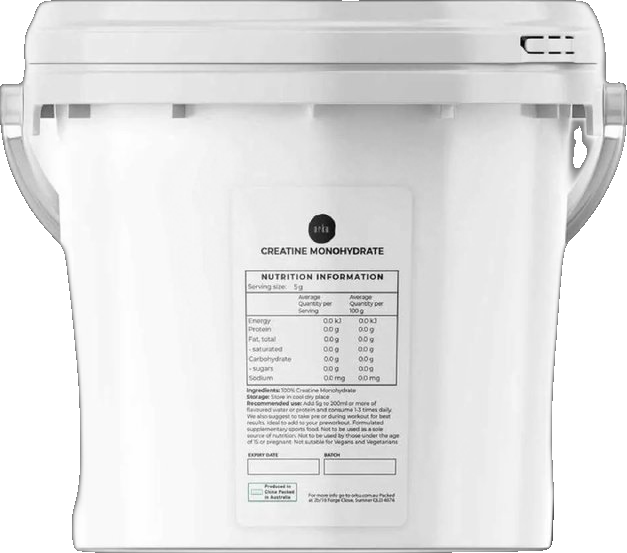
- 1at Woolworths · packs from $259.99$2.60/100g
- 2at Woolworths · packs from $119.99$4.00/100g
- 3at VPA Australia · packs from $20.00$4.80/100g
Expect a 1–2kg scale jump in the first two weeks on creatine. That water is sitting inside your muscle fibres, not under your skin or in your gut. Our take after years of reading the literature and tracking AU shelf prices: most "creatine bloating" complaints are misidentified intramuscular hydration, and the genuine GI cases follow a dose-dependent pattern that Ostojic and Ahmetovic[3] mapped out almost two decades ago. Verdict up front: split your doses, take with food, and the bloating problem largely disappears.
The Water Retention Reality
Creatine works by raising phosphocreatine concentration in muscle tissue. Phosphocreatine is stored with water. For every gram of creatine you load into muscle, roughly 2–3ml of water is pulled in alongside it. That isn't a side effect. It's the mechanism. Creatine pulls water into muscle cells, which is intramuscular water retention by definition.
On the scale, that translates to 1–2kg within the first one to two weeks of supplementation, or faster if you load. The number surprises people. It shouldn't. That weight is water held inside muscle fibres. Not fat. Not subcutaneous fluid. Not digestive bloating. Stop supplementing and the water leaves within a few weeks, scale back to baseline.
Subcutaneous vs Intramuscular, Why the Distinction Matters
These two types of water retention behave nothing alike, and conflating them is the source of most creatine-bloating confusion.
Subcutaneous water retention sits under the skin, above the muscle fascia. That's the soft, puffy look you get from high sodium intake, premenstrual fluid shifts, or certain medications and anabolic compounds. It blurs muscle definition and leaves skin smooth and slightly swollen.
Intramuscular water retention, which is what creatine causes, happens inside the muscle cell. Muscles are literally more hydrated. Their cross-sectional area lifts a little, which produces the "full" look trained athletes describe on creatine. It enhances density. It doesn't blur it.
The research backs the distinction. Body-composition studies on creatine users find rises in intracellular water with no meaningful change in extracellular or subcutaneous fluid (Kreider et al., 2017[1]; Antonio et al., 2021[2]). The two-to-three kilograms bodybuilders shed when they pull creatine pre-show is a different beast entirely: extracellular water from broader dietary manipulation, not creatine-specific.
True GI Bloating, When It Does Happen
Most "creatine bloating" is misread intramuscular water. A minority of users genuinely run into gastrointestinal discomfort: cramping, fullness, loose stools. Real. Manageable. Dose-dependent.
The usual cause is a single large dose, typically during loading at 20g per day. Take 10g or more in one hit and you exceed gut absorption capacity for that window. Unabsorbed creatine reaches the large intestine, draws osmotic water into the bowel, and you feel it.
Ostojic and Ahmetovic (2008)[3] showed doses above 5g per serving were significantly more likely to produce GI distress than 3–5g servings. Splitting the loading protocol into 4×5g across the day cuts the risk sharply. Our verdict: if you're loading, never single-dose above 5g. Full stop.
How to Reduce GI Issues
If creatine is genuinely upsetting your stomach, the following fixes resolve it for the vast majority of users.
Split your doses. During loading, cap every serving at 5g. Four 5g doses across the day with meals beats two 10g doses on every metric we care about.
Take it with food. Creatine on an empty stomach is more likely to bite. Take it with a meal, ideally one containing carbohydrates (which also improves absorption), and GI irritation drops for most people.
Switch to micronised creatine monohydrate. Micronised mono is ground to a finer particle, which improves solubility. Better dissolution in water means less undissolved powder reaching the lower GI tract. Micronised mono costs slightly more but is widely stocked in Australian stores at A$25–40 per 500g. Our pick if standard mono is rough on you.
Skip the loading phase. If loading is consistently causing GI issues, start at 3–5g per day, no loading. You reach the same saturation endpoint at 28 days. The only trade-off is patience.
Try creatine HCL. Creatine hydrochloride dissolves more completely in smaller volumes of water than monohydrate. For the subset of users with persistent GI sensitivity to mono, HCL often clears the symptoms. HCL is not more effective per gram, just better tolerated in sensitive guts, and it costs considerably more. Reserve it for cases where everything else has failed.
Creatine HCL, The Solubility Claim
Creatine HCL is marketed as superior because it's more soluble and therefore needs a smaller dose. The solubility claim checks out. HCL is roughly 40 times more soluble than monohydrate, dissolving completely in a small volume of water where mono can leave residue.
What the marketing leaves out: that solubility advantage does not translate to better performance outcomes in research at equivalent doses (Antonio et al., 2021)[2]. Creatine monohydrate, dissolved in 250–300ml of water, hits adequate absorption. The higher solubility of HCL trims GI irritation for some users, which is a real benefit, but it doesn't make HCL a superior performance product gram-for-gram.
Our verdict: monohydrate has vastly deeper and more consistent performance evidence than HCL. Start with monohydrate. Switch to HCL only if persistent, unresolved GI issues don't respond to the dose and timing fixes above.
What to Do If Bloating Persists
You've moved to micronised monohydrate at 3g per day with food, and a week in the GI symptoms haven't budged. Run three checks before you blame the creatine.
Check the cause. GI bloating runs on many sources: high-fibre foods, dairy, artificial sweeteners (especially common in flavoured pre-workouts or protein powders you might be stacking with creatine), or baseline gut sensitivity. Isolate the variable. Pull creatine for a week and watch what happens. If symptoms resolve, you have your answer. If they don't, creatine wasn't the driver.
Check your hydration. Creatine pulls water. We recommend 2–3L per day on top of normal intake. Concentrated creatine in an underhydrated body is a recipe for gut discomfort, and it's the easiest fix on this list.
For the small group who can't tolerate any monohydrate form despite best practices, creatine HCL at 1–2g per day is a reasonable fallback with sufficient evidence for effectiveness at lower doses (Smith-Ryan et al., 2021)[4].
The Verdict
Genuine GI bloating from creatine is uncommon and almost entirely dose-dependent. Split doses, take with food, use micronised mono, and you've covered the cases that matter. What people usually call "creatine bloating" is intramuscular water retention: a 1–2kg scale bump reflecting fully hydrated, phosphocreatine-loaded muscle. That isn't bloating in any meaningful sense. It's the supplement working.
If you quit creatine over perceived bloating and were actually seeing intramuscular hydration, you quit for nothing. The strength, training volume, and recovery gains were already building during that water-redistribution phase, not in spite of it.
Frequently Asked Questions
Does creatine cause bloating?
Not in the way most people think. Creatine pulls water into muscle cells, causing a 1–2kg scale increase within the first two weeks — this is intramuscular hydration, not bloating, and it's the supplement working as designed. True gastrointestinal bloating is uncommon and almost always tied to taking too large a single dose.
What causes the initial weight gain when starting creatine?
Creatine raises phosphocreatine levels in muscle tissue, and phosphocreatine is stored together with water — roughly 2–3ml of water per gram of creatine loaded. That produces a 1–2kg jump on the scale within one to two weeks, faster if you load. It's intramuscular water inside muscle fibres, not fat or digestive bloating, and it reverses within weeks of stopping.
What's the difference between subcutaneous and intramuscular water retention?
Subcutaneous water sits under the skin, above the muscle, and creates the soft, puffy look linked to high sodium or hormonal shifts — it blurs muscle definition. Intramuscular water, which is what creatine causes, sits inside the muscle cell itself, slightly increasing cross-sectional area and producing a fuller, more defined look rather than a swollen one.
How do you stop creatine from upsetting your stomach?
Cap each dose at 5g rather than taking it in one large hit, and take it with food, ideally something containing carbohydrates. Switching to micronised monohydrate improves solubility and reduces undissolved powder reaching the gut. Skipping the loading phase and starting at 3–5g daily also helps — you reach the same saturation point in 28 days either way.
Is creatine HCL better than monohydrate for avoiding bloating?
Creatine HCL is roughly 40 times more soluble than monohydrate, which can reduce GI irritation for sensitive users. But that solubility edge doesn't translate into better performance outcomes at equivalent doses — monohydrate has far deeper research support. The sensible approach is starting with monohydrate and switching to HCL only if dose and timing fixes don't resolve genuine GI issues.
References
- Kreider et al., 2017. International Society of Sports Nutrition position stand: safety and efficacy of creatine supplementation in exercise, sport, and medicine
- Antonio et al., 2021. Common questions and misconceptions about creatine supplementation: what does the scientific evidence really show?
- Ostojic & Ahmetovic, 2008. Gastrointestinal distress after creatine supplementation in athletes: are side effects dose dependent?
- Smith-Ryan et al., 2021. Creatine Supplementation in Women's Health: A Lifespan Perspective