 SUPPSAVER
How to Take Creatine: Loading Protocol, Dosing & Timing
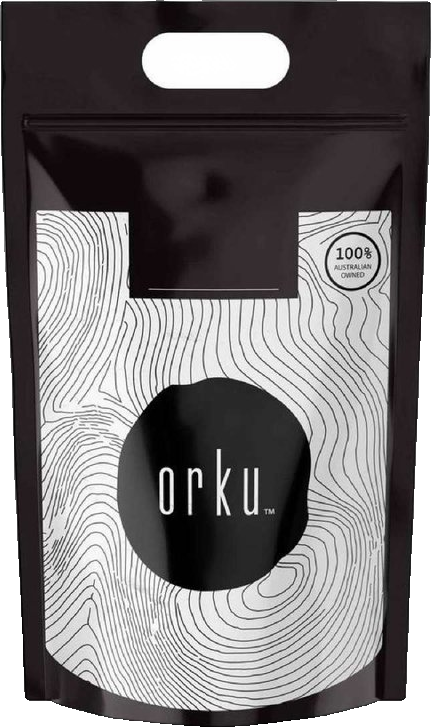
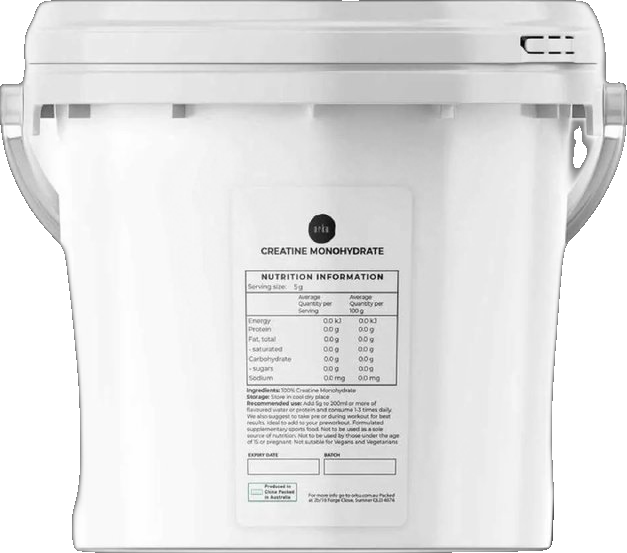
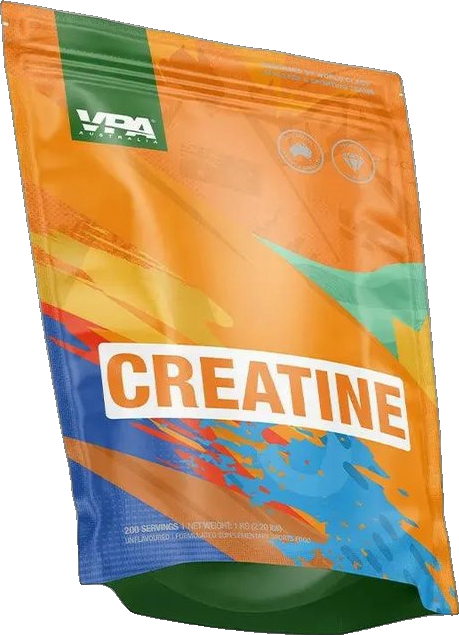
- 1at Woolworths · packs from $259.99$2.60/100g
- 2at Woolworths · packs from $119.99$4.00/100g
- 3at VPA Australia · packs from $20.00$4.80/100g
3 to 5g a day, taken consistently, will saturate your muscle phosphocreatine stores inside 28 days and lift maximal strength by 4 to 8% (Kreider et al., 2017)[1]. That is the entire protocol. Everything else (loading windows, timing tricks, exotic salts) is rounding. We've read the ISSN position stand so you don't have to, and our verdict on most of the gym-floor advice is: skip it.
Loading Phase: Do You Actually Need It?
A loading phase means roughly 20g of creatine per day, split into four 5g doses, for 5 to 7 days. The goal is to saturate muscle phosphocreatine stores fast. Without loading, those same stores fill up after about 28 days of consistent low-dose use (Kreider et al., 2017)[1].
So loading doesn't raise the ceiling. It just hits it faster. Our verdict: skip it. Three weeks out from a meet and impatient? Load. Supplementing for the next decade? 3 to 5g a day from week one is the cleaner play.
One catch worth flagging. Single 20g hits can trigger GI distress, with the dose-response curve clearest in Ostojic & Ahmetovic (2008)[4]. The fix is mechanical: 5g with breakfast, 5g mid-morning, 5g post-workout, 5g with dinner.
Maintenance Dose: How Much Do You Actually Need?
Once stores are saturated, you only replace what degrades each day. That's the 3 to 5g maintenance number. The research-derived formula is 0.03g per kg of bodyweight per day (Kreider et al., 2017)[1]. A 70kg lifter clears the bar at 2.1g; we round to 3g for sanity. A 100kg lifter sits at exactly 3g.
If you weigh over 90kg, lean closer to 5g. Above that, the excess is excreted — no performance dividend, just expensive urine. Antonio et al. (2021)[2]explicitly debunked the "more is always better" framing that still circulates on supplement forums.
Timing: Does It Matter When You Take It?
Our position: timing is noise. Creatine isn't caffeine. It accumulates in muscle tissue across days and weeks, so taking it pre-training, post-training or with breakfast lands you at the same saturation 28 days later (Kreider et al., 2017)[1].
A handful of small studies hint that post-workout dosing nudges retention upward, possibly via post-exercise insulin sensitivity. The effect is real but small (a few percent on retention, not on strength), and we wouldn't reshuffle a working routine for it.
The lever that does matter is consistency. 3 to 5g every day at a time you'll actually remember beats perfectly timed doses you forget on Wednesdays. Already shake protein after the gym? Drop the creatine in there and be done.
What to Mix Creatine With
Monohydrate dissolves well enough in water and tastes of basically nothing. No chemistry says it needs a vehicle.
That said, mixing it with carbs measurably moves the needle. Green et al. (1996)[3] ran 50 to 100g of simple carbohydrate alongside creatine and saw 10 to 25% greater muscle creatine retention, driven by an insulin spike pushing creatine through GLUT transporters. Antonio et al. (2021)[2] confirmed the mechanism holds up.
Practical translation: dropping creatine into a post-workout protein-and-carb shake is sensible, not mandatory. Training fasted or running low-carb? Water is fine. You'll still hit full saturation; you just take the slightly longer road to get there.
How Long Until You See Results?
Load and you'll feel it inside 7 to 10 days, mostly as extra reps and faster between-set recovery. A 1 to 2kg scale-weight jump from intramuscular water in the first few days catches people off guard. It's signal, not fat.
No load? Full saturation lands around day 28. Strength improvements of 4 to 8% on maximal lifts and a clear bump in rep volume per set show up after that (Kreider et al., 2017)[1]. The effect compounds: you won't feel creatine on day one, but track your top sets across a month and the line bends.
Cognitive effects, better working memory and less mental fatigue, appear most reliably in vegetarians and vegans, who start with lower baseline muscle creatine because they aren't eating meat. Allow several weeks before judging.
Do You Need to Cycle Off Creatine?
No. The 8-on, 4-off ritual gym culture loves has zero scientific footing. Antonio et al. (2021)[2] catalogued the common misconceptions, and continuous use isn't one that survives scrutiny.
Long-term safety data tracks athletes on creatine for up to 5 years with no kidney, liver or metabolic damage (Kreider et al., 2017)[1]. The "creatine wrecks your kidneys" line is a misreading of elevated creatinine on blood panels — a metabolic byproduct of creatine, not kidney injury.
Creatine and Hydration
Creatine pulls water into muscle cells. That's why scale weight ticks up. The mechanism is intramuscular water retention — water held inside the muscle itself. It's beneficial for force production and nothing like the subcutaneous puff people worry about.
Because water is being redistributed, total intake matters. Aim for 2 to 3 litres a day on creatine, more if you're training hard through a Brisbane or Darwin summer. The cramp link gets repeated more often than the evidence justifies (the data on cramps is genuinely mixed).
Which Form of Creatine Should You Buy?
Monohydrate, every time. It's been studied in hundreds of trials over several decades and remains the gold standard (Kreider et al., 2017)[1]. Ethyl ester, Kre-Alkalyn, HCL, nitrate, liquid creatine: either less studied, no more effective at matched doses, or (in the case of ethyl ester) demonstrably worse.
Micronised monohydrate is the same molecule ground finer, which improves dissolution and may settle GI complaints. In Australian stores a 500g tub of monohydrate runs $20 to $35 AUD — 100 to 166 doses; on a per-serve basis it's one of the cheapest supplements money can buy. Don't get talked into "proprietary blend" creatine: head-to-head, monohydrate ties or wins at matched doses.
Signs Creatine Is Working
The earliest signal is a 1 to 2kg scale increase inside the first week or two. That's the intramuscular water, and it's a green light, not fat gain. After saturation, the performance markers show: an extra rep or two at the same load, faster recovery between sets, a longer working session before you cook.
Don't expect a pre-workout buzz. Creatine doesn't give one. The benefit accrues across weeks as steadier training volume and cleaner progressive overload. Track the top set; the numbers will do the convincing.
Frequently Asked Questions
Do I need to load creatine?
No, not for most people. Loading means about 20g a day split into four 5g doses for 5 to 7 days, which saturates muscle stores fast. Without loading, the same stores fill up after about 28 days of consistent 3–5g daily use. Loading just hits the same ceiling faster, so it's mainly useful if a competition is close.
How much creatine should I take per day?
The research-derived formula is 0.03g per kilogram of bodyweight per day, which lands most lifters between 3 and 5g. A 70kg lifter technically only needs about 2.1g, rounded up to 3g; anyone over 90kg should lean closer to 5g. Taking more than that isn't harmful, but the excess is simply excreted with no extra performance benefit.
Does it matter what time of day you take creatine?
Not much. Creatine accumulates in muscle tissue across days and weeks, so taking it before training, after training, or with breakfast lands you at the same saturation roughly 28 days later. A few small studies suggest post-workout dosing nudges retention up slightly, but the effect is minor. What actually matters is taking 3 to 5g every single day.
What should I mix creatine with?
Water is fine — creatine dissolves well and has almost no taste. Mixing it with 50 to 100g of simple carbohydrate can boost muscle creatine retention by 10 to 25% via an insulin spike, so a post-workout protein-and-carb shake works well. Training fasted or eating low-carb still reaches full saturation, just via a slightly longer road.
Do you need to cycle off creatine?
No. The 8-on, 4-off cycling ritual has no scientific backing. Long-term safety data tracks athletes using creatine continuously for up to 5 years with no kidney, liver, or metabolic damage. The "creatine wrecks your kidneys" claim is a misreading of elevated creatinine on blood panels, which is simply a metabolic byproduct of creatine, not evidence of kidney injury.
References
- Kreider et al., 2017. International Society of Sports Nutrition position stand: safety and efficacy of creatine supplementation
- Antonio et al., 2021. Common questions and misconceptions about creatine supplementation: what does the scientific evidence really show?
- Green et al., 1996. Carbohydrate ingestion augments skeletal muscle creatine accumulation during creatine supplementation in humans
- Ostojic & Ahmetovic, 2008. Gastrointestinal distress after creatine supplementation in athletes: are side effects dose dependent?