 SUPPSAVER
Supplement Ingredients Explained
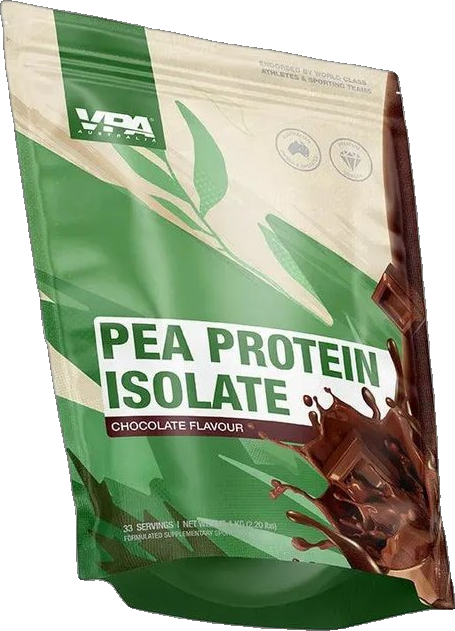
- 1at VPA Australia · packs from $36.00$4.24/100g protein
- 2at Supplement Mart · packs from $40.00$4.84/100g protein
- 3at Mr Supplement · packs from $59.95$5.65/100g protein
Supplement panels typically list 12 to 25 ingredients, but only a handful are backed by strong evidence at meaningful doses. Protein, creatine monohydrate, caffeine, citrulline and beta-alanine have the most robust data and clear effective doses. Others, like Tribulus and Garcinia Cambogia, appear mainly for label appeal rather than a demonstrated effect in human trials.
We've audited every label across 14 Australian stores. Most ingredient panels list 12 to 25 compounds and explain almost none of them. This guide tells you what each ingredient actually does, the dose that triggers an effect in the literature, and where most products fall short.
Protein
What it is
Protein is the macronutrient your body uses to build and repair muscle tissue, synthesise enzymes and hormones, and maintain every structural component of the body. Supplement powders concentrate the protein from whole foods (milk, soy, peas) and dry it into a shelf-stable form. The good ones run 70 to 92 percent protein by weight. The bad ones sit around 40 to 55 percent and pad the rest with cheap maltodextrin.
Why it's in your supplement
Most people who train regularly need 1.6 to 2.2g of protein per kg of bodyweight per day to maximise muscle protein synthesis (Jäger et al., 2017)[2]. For an 80kg lifter that's 128 to 176g daily. Hitting that from whole food alone takes planning, prep time and grocery spend. Protein powder fills the gap. It's a fast, calorie-controlled source with no cooking required, and at the cheap end of the market it works out to roughly $0.05 to $0.08 per gram of protein.
The main forms
- Whey Concentrate (70 to 80 percent protein): Fast-digesting, affordable, contains some residual lactose. Best all-round option post-workout and the default we recommend for most lifters.
- Whey Isolate (85 to 92 percent protein): Extra filtration strips out most lactose and fat. Better for lactose-sensitive individuals and dieters tracking grams tightly, with a 30 to 50 percent price bump per kg of protein.
- Casein (75 to 85 percent protein): Slow-digesting, gel-forming protein. Releases amino acids over 5 to 7 hours. Popular as a pre-bed protein.
- Plant-based (65 to 80 percent protein): Pea, rice, soy or blends. Pea/rice blends have the best amino acid profiles and now match whey closely for MPS outcomes when leucine is matched.
Effective dose
20 to 40g of protein per serve. The body can utilise roughly 20 to 40g per meal for muscle protein synthesis (Jäger et al., 2017)[2], though total daily intake matters more than per-serve size. We'd spread intake across 3 to 4 meals rather than chasing a single mega-shake.
What to look for
Check protein per 100g. That's the concentration, and it's the only number that can't be gamed. Whey concentrate should show 70g+, isolate 85g+. Anything labelled "protein" with under 60g per 100g is heavily padded with carbohydrates or fats and shouldn't be priced like a protein product. Our verdict: if you're paying isolate prices for a 65g/100g powder, you're being overcharged.
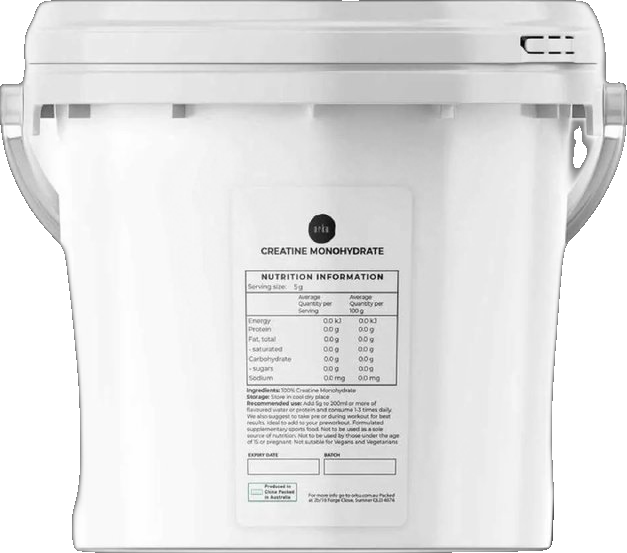
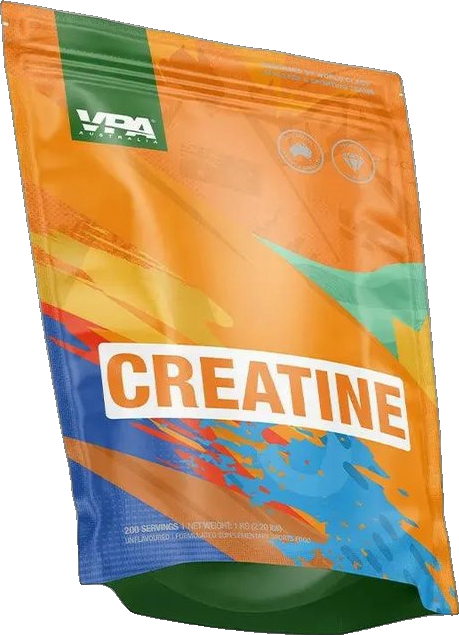
Creatine
What it is
Creatine is a naturally occurring compound synthesised from arginine, glycine and methionine, then stored in skeletal muscle as phosphocreatine. Supplementation saturates these stores roughly 20 percent above what diet alone achieves, and the cost to do so runs about $0.10 to $0.25 per daily serve.
Why it works
Phosphocreatine fuels rapid ATP regeneration during high-intensity efforts lasting 1 to 10 seconds: heavy lifts, sprints, maximal jumps. More phosphocreatine means faster ATP resynthesis, which means more reps before fatigue. Effects compound over 2 to 4 weeks as muscle stores fully saturate. With over 680 peer-reviewed trials, creatine monohydrate sits in the top tier of evidence-backed ergogenic supplements (Kreider et al., 2017)[1].
Forms
- Creatine Monohydrate: The gold standard. 30+ years of research. Cheap, effective, safe. Micronised versions dissolve better and reduce GI discomfort, usually for a 10 to 20 percent price bump.
- Creatine HCL: More water-soluble, marketed as requiring a smaller dose. No consistent evidence of superior performance versus monohydrate. Costs 3 to 5x more per gram. Our verdict: pay only if you have GI issues with monohydrate.
- Creatine Ethyl Ester, Kre-Alkalyn, "Buffered" forms: No demonstrated advantage over monohydrate (Kreider et al., 2017)[1]. Avoid unless price is irrelevant.
Effective dose
3 to 5g per day, taken consistently. Timing isn't critical. Daily consistency is what matters. An optional loading phase (20g/day for 5 to 7 days) speeds saturation but isn't necessary and won't change the end state. We skip it.
Pre-Workout Ingredients
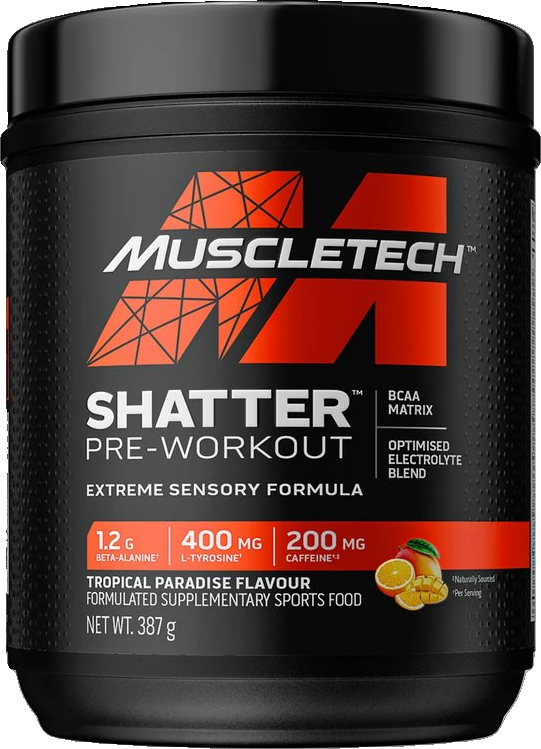
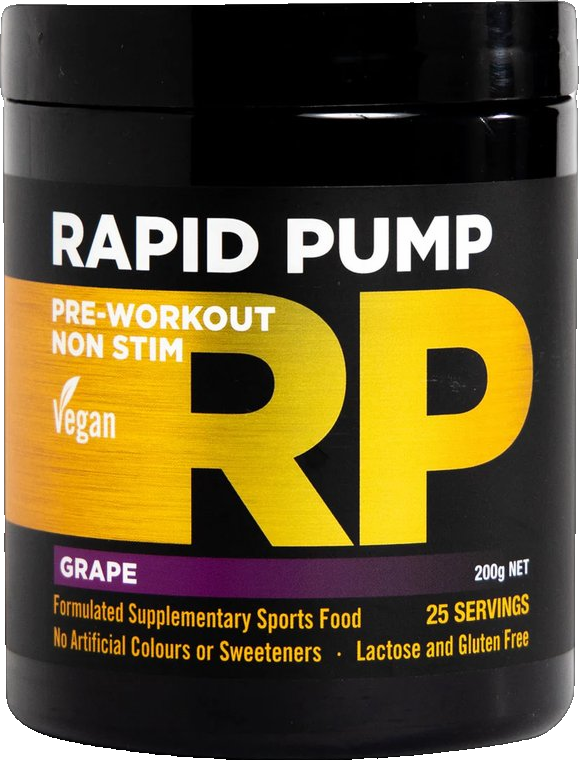
Pre-workouts combine 8 to 15 ingredients targeting different performance pathways. Most formulas underdose the ones that actually work and overstate the ones that don't. Here's what each one does and the dose that triggers a real effect.
Caffeine (150 to 300mg)
The primary active ingredient in most pre-workouts and the one with the strongest evidence (Guest et al., 2021)[3]. It blocks adenosine receptors, reduces perceived effort and delays fatigue. Improves strength, endurance and focus. Half-life is around 5 hours, so late-day dosing wrecks sleep. Di-caffeine malate is a slower-release form that softens the spike and crash.
Dose: 3 to 6mg per kg bodyweight (150 to 300mg for most people) per Guest et al. (2021)[3]. Tolerance develops within 2 to 4 weeks. Periodic breaks restore sensitivity.
L-Citrulline (6 to 8g)
Converted to arginine in the kidneys, raising nitric oxide (NO) production. NO dilates blood vessels, improves blood flow to working muscle and produces the "pump." It also reduces post-exercise soreness and improves endurance performance (Pérez-Guisado & Jakeman, 2010)[5]. More effective than arginine supplementation because citrulline bypasses first-pass metabolism.
Dose: 6 to 8g L-citrulline, or 8 to 10g citrulline malate 2:1. Anything below 4g is underdosed. Our verdict: avoid proprietary blends. They almost always hide a 1 to 2g dose behind a "pump matrix" label.
Beta-Alanine (3.2 to 6.4g)
Precursor to carnosine, which buffers acid buildup in muscle during high-intensity efforts lasting 1 to 4 minutes (Trexler et al., 2015)[4]. Improves performance in long sets, intervals and CrossFit-style work. Benefits are cumulative. You need 4 to 10 weeks of daily use for full muscle carnosine saturation.
The tingle: Beta-alanine causes harmless skin paraesthesia (tingling, flushing). It's a normal nerve response, not an allergy, and fades with regular use. Split dosing reduces intensity.
Dose: 3.2 to 6.4g per day (Trexler et al., 2015)[4]. Timing is flexible. Daily consistency matters more than pre-workout timing.
Betaine Anhydrous / TMG (2.5g)
Trimethylglycine (betaine) shows up naturally in beetroot and spinach. In supplemental doses it modestly improves power output and may enhance muscle endurance by acting as an osmolyte (helping cells retain water under stress). It also supports liver function and homocysteine metabolism. Increasingly common in premium pre-workouts.
Dose: 2.5g per day. Evidence is promising but less robust than caffeine or creatine. We rate it a "nice to have" not a "need to have."
L-Theanine (100 to 200mg)
An amino acid found naturally in green tea. On its own it promotes relaxed alertness without sedation. Stack it with caffeine and you get a well-documented synergistic effect: sharper focus, improved reaction time, and reduced caffeine-related jitter and anxiety. This combination is one of the most evidence-backed cognitive stacks in supplement research.
Dose: 100 to 200mg, typically in a 1:2 ratio with caffeine (e.g. 200mg caffeine plus 200mg theanine). Look for it in premium stim pre-workouts and nootropic-focused formulas.
Alpha-GPC / Choline (300 to 600mg)
Alpha-glycerylphosphorylcholine (Alpha-GPC) is a choline compound that crosses the blood-brain barrier efficiently. Choline is the precursor to acetylcholine, the neurotransmitter behind the mind-muscle connection, focus and memory. At 600mg, Alpha-GPC has emerging evidence for improving acute power output.
Choline bitartrate is cheaper but less bioavailable. Centrophenoxine and CDP-Choline (citicoline) are other forms. All support the same pathway.
Dose: 300 to 600mg Alpha-GPC, or 500 to 1000mg choline bitartrate. Particularly useful in stim-free pre-workouts as the focus ingredient.
Agmatine Sulfate (500 to 1000mg)
A metabolite of arginine that inhibits arginase, the enzyme that breaks down arginine, effectively prolonging arginine's ability to produce nitric oxide. Often stacked with citrulline for enhanced pump effects. Also modulates pain perception and may improve insulin sensitivity.
Dose: 500 to 1000mg. Human research is less extensive than for citrulline, but it's widely used in pump-focused pre-workouts. Look for it listed individually rather than buried in a blend.
L-Tyrosine (500 to 2000mg)
A non-essential amino acid and precursor to dopamine, norepinephrine and adrenaline. Supplementation is most effective under depletion conditions: sleep deprivation, extreme physical stress, prolonged mental effort. Helps maintain cognitive performance when you're running on empty. Less effective for baseline performance in well-rested individuals. Our verdict: useful for shift workers and overreached athletes, not for the well-slept.
Dose: 500 to 2000mg. N-Acetyl L-Tyrosine (NALT) is a more soluble form but may have lower conversion rates to free tyrosine.
Recovery Ingredients
BCAAs (Leucine, Isoleucine, Valine)
The three branched-chain amino acids are essential (the body can't make them) and can be oxidised directly by muscle during exercise. Leucine is the key driver of muscle protein synthesis (MPS), activating the mTOR signalling pathway that initiates muscle repair and growth.
Our honest take: BCAA supplements are largely redundant if you're eating adequate total protein. A 30g serve of whey already delivers about 8g of BCAAs naturally (Jäger et al., 2017)[2]. Research showing BCAA benefits on MPS typically used supplementation on top of low-protein diets. If you're hitting 1.6g+ per kg of bodyweight per day, adding isolated BCAAs produces minimal additional benefit. Where they have value: intra-workout during fasted training, very long sessions, or when whole food protein isn't practical. Our verdict: skip them unless you train fasted or eat below 1.4g/kg.
Dose: At least 3g leucine per serve. Common ratio is 2:1:1 (leucine:isoleucine:valine). Total BCAA dose of 5 to 10g.
L-Glutamine (5 to 10g)
The most abundant amino acid in muscle tissue and blood plasma. Conditionally essential. The body can usually synthesise enough, but demand can exceed supply during prolonged intense training or physiological stress (injury, illness, surgery).
Glutamine supports gut epithelial integrity (it's the primary fuel for intestinal cells), immune function and muscle glycogen resynthesis. In the context of supplementation for healthy athletes, the evidence for performance or recovery benefits is mixed. It may help reduce gut permeability ("leaky gut") in high-volume athletes and has a reasonable safety profile at normal doses.
Dose: 5 to 10g per day. Most useful post-workout or during periods of high training stress. Found in many protein powders and dedicated amino acid supplements.
L-Carnitine (1 to 3g)
A compound synthesised from lysine and methionine, carnitine transports long-chain fatty acids across the mitochondrial membrane for oxidation (fat burning). The theory: supplementing increases fat available for energy, sparing glycogen and improving endurance.
Reality is messier. Oral L-carnitine has poor bioavailability and requires co-ingestion with carbohydrates (and insulin stimulation) to be effectively taken up by muscle tissue. Acetyl-L-Carnitine (ALCAR) has better absorption and crosses the blood-brain barrier, making it more relevant for cognitive benefits than physical performance. L-Carnitine L-Tartrate (LCLT) has specific evidence for reducing exercise-induced muscle damage and improving recovery.
Dose: 1 to 3g of LCLT for recovery, or 500 to 2000mg ALCAR for cognitive/energy effects. Best absorbed with a carbohydrate-containing meal.
HMB (Beta-Hydroxy Beta-Methylbutyrate) (3g)
A metabolite of leucine. HMB inhibits muscle protein breakdown (proteolysis) rather than stimulating synthesis. This anti-catabolic effect is most significant in beginners, detrained individuals returning from a break, or people in a calorie deficit. In trained athletes maintaining consistent volume, the additional benefit over adequate protein intake is modest. Our verdict: skip in the off-season, consider during planned cuts.
Dose: 3g per day in divided doses (1g three times daily with meals). The free acid form (HMB-FA) absorbs faster than calcium HMB.
Collagen & Joint Support
Collagen Peptides / Hydrolysed Collagen
Collagen is the most abundant protein in the human body, forming the structural matrix of connective tissue: tendons, ligaments, cartilage, skin, bone. Hydrolysed collagen peptides are collagen broken into shorter chains that are well-absorbed orally.
Collagen is not a substitute for whey protein for muscle building. It lacks tryptophan (which makes it an incomplete protein) and has a poor leucine profile for stimulating MPS (Jäger et al., 2017)[2]. Its value is specifically for connective tissue. Research shows collagen supplementation with Vitamin C, taken 30 to 60 minutes before exercise, increases collagen synthesis in tendons and ligaments. Particularly relevant for people with joint pain, tendinopathy, or high training volume.
Dose: 10 to 15g hydrolysed collagen with 50mg Vitamin C, 30 to 60 minutes before activity. Marine collagen (from fish) and bovine collagen have similar efficacy.
Glucosamine & Chondroitin
Glucosamine is a natural component of cartilage. Chondroitin is a structural component that helps cartilage retain water. Both are commonly combined in joint supplements, often alongside MSM (methylsulfonylmethane) and collagen.
Evidence is mixed. The large GAIT clinical trial found a signal of benefit for moderate-to-severe knee osteoarthritis pain in an exploratory subgroup, though the primary result across all participants wasn't statistically significant. For healthy athletes using them preventively, effects are less established. They appear safe and may reduce joint inflammation over time with consistent use (8 to 12 weeks minimum).
Dose: 1500mg glucosamine sulfate plus 1200mg chondroitin per day. Effects are gradual. Allow 8 to 12 weeks before assessing.
MSM (Methylsulfonylmethane)
An organic sulfur compound found in small amounts in plant and animal foods. Sulfur is required for collagen synthesis and joint cartilage maintenance. MSM supplementation has some evidence for reducing exercise-induced joint pain and DOMS (delayed onset muscle soreness), likely through anti-inflammatory mechanisms.
Dose: 1.5 to 3g per day. Often combined with glucosamine and chondroitin in joint formulas. Well tolerated. GI upset is uncommon but possible at high doses.
Fat Loss Ingredients
Fat loss supplements are among the most marketed in the industry and the most overpromised. We've audited the category and most products are stacking small effects on top of much smaller effects. Here's our honest read of what the evidence supports.
Green Tea Extract / EGCG
Green tea extract is standardised for epigallocatechin gallate (EGCG), a catechin polyphenol. Often combined with caffeine. Together they inhibit COMT, the enzyme that breaks down norepinephrine, prolonging the body's fat-mobilising signal. The net effect is a modest increase in fat oxidation and thermogenesis: daily energy expenditure goes up by roughly 4 percent, or about 75 to 80 kcal/day.
Effects are real but small. Our verdict: green tea extract is not a shortcut. It's a marginal supplement that may assist a calorie deficit, never create one.
Dose: 400 to 500mg EGCG per day, taken with caffeine. High doses (over 800mg EGCG) without food may cause nausea or elevated liver enzymes. Take with meals.
L-Carnitine (Fat Loss Context)
As a fatty acid transporter, carnitine is theoretically well-positioned as a fat loss ingredient. In practice, oral supplementation raises plasma carnitine but muscle uptake is limited without insulin. Studies in obese or overweight populations show modest effects. In lean, trained individuals in a calorie surplus, the evidence is weak. In a calorie deficit with adequate carbohydrates for insulin-mediated uptake, it may improve fat oxidation during aerobic exercise.
Dose: 1 to 3g L-Carnitine L-Tartrate or 500 to 2000mg Acetyl-L-Carnitine with a carbohydrate meal.
Conjugated Linoleic Acid (CLA)
A naturally occurring fatty acid found in meat and dairy. Popular in fat burner formulas for its purported anti-adipogenic (fat cell formation blocking) effects. Human research shows modest reductions in body fat with long-term supplementation (6+ months), but effect sizes are small and inconsistent. CLA may help at the margins but shouldn't be expected to produce meaningful fat loss on its own.
Dose: 3 to 4g per day. Well tolerated but may cause minor GI discomfort. The trans-10, cis-12 isomer is the biologically active form.
Garcinia Cambogia / Hydroxycitric Acid (HCA)
Derived from a tropical fruit. HCA was extensively marketed as a fat loss ingredient through the 2010s. Mechanistically, HCA inhibits an enzyme involved in fatty acid synthesis. Human clinical evidence is weak and inconsistent. Systematic reviews find no reliable significant effect on body weight versus placebo. The scientific consensus has largely moved on. Still shows up in fat burner formulas, mostly for label appeal.
Our verdict: Evidence does not support meaningful fat loss effects in humans. Not harmful. Not useful.
Medium Chain Triglycerides (MCTs)
MCTs are fats with a shorter carbon chain (6 to 12 carbons) than typical dietary fats, which lets them be absorbed and oxidised rapidly without requiring bile salts or chylomicrons. They provide quick energy similar to carbohydrates and may marginally increase thermogenesis compared to long-chain fats. Popular in ketogenic diets and added to coffee-based supplements.
MCT oil is primarily a calorie-dense energy source, not a fat-loss ingredient in the traditional sense. Its thermogenic advantage over other fats is real but small. We treat it as an energy source rather than a fat-burning compound.
Dose: 15 to 30ml (1 to 2 tablespoons) per day. Start low. Large doses cause GI distress in most people. C8 (caprylic acid) is the most rapidly absorbed MCT form.
Micronutrients & Electrolytes
Vitamins and minerals show up in many supplement products. Sometimes at meaningful doses, often at token amounts for label positioning. These are the ones most relevant to active individuals.
Magnesium
Magnesium is involved in over 300 enzymatic reactions including ATP production, protein synthesis, muscle contraction and nerve conduction. It's one of the most common micronutrient deficiencies in the general population, and active individuals lose additional magnesium through sweat. Deficiency impairs sleep quality, increases anxiety, causes muscle cramps and reduces exercise performance.
Magnesium glycinate and magnesium bisglycinate have the best absorption with the lowest GI side effects. Magnesium oxide (most common in cheap products) is poorly absorbed and primarily acts as a laxative. Magnesium L-threonate has specific research for cognitive effects. Our verdict: glycinate is the default. Pay the extra dollar.
Dose: 300 to 400mg elemental magnesium per day. Check the label. "200mg magnesium glycinate" is not 200mg elemental magnesium. Taken before bed improves sleep quality.
Zinc
Zinc is required for over 100 enzymatic functions including testosterone synthesis, immune function, protein synthesis and wound healing. Athletes who sweat heavily are at risk of zinc depletion, which reduces testosterone levels, impairs immune function and slows recovery. ZMA (zinc magnesium aspartate) supplements combine zinc, magnesium and B6 specifically targeting this depletion pattern.
Dose: 25 to 45mg elemental zinc per day. Zinc picolinate and zinc bisglycinate are well absorbed. Don't take zinc and copper supplements simultaneously. They compete for absorption. Long-term high-dose zinc depletes copper.
Vitamin D
Vitamin D3 (cholecalciferol) functions more as a hormone than a vitamin. It regulates calcium absorption, immune modulation, testosterone production and muscle function. Many Australians are deficient despite sun exposure, particularly those who train indoors or live in southern states. Deficiency is associated with reduced testosterone, impaired muscle function, increased injury risk and compromised immune response.
Dose: 1000 to 4000 IU D3 per day, taken with a meal containing fat (it's fat-soluble). Often combined with K2 (menaquinone) to direct calcium to bones rather than arteries. We'd test baseline levels first. Supplements in those with adequate levels show less benefit.
B Vitamins (B6, B12, Folate)
B vitamins act as cofactors in energy metabolism, converting carbohydrates, fats and proteins into ATP. B12 and folate are critical for red blood cell formation and neurological function. B6 supports amino acid metabolism and neurotransmitter synthesis. They're commonly added to pre-workouts, protein powders and multivitamins.
For most people eating a varied diet, B vitamin supplementation produces minimal performance benefit. Deficiency is the issue to address, not supplementing above-normal levels. Vegans and vegetarians are genuinely at risk of B12 deficiency (it's only reliably found in animal products) and should supplement consistently.
Dose: Varies by form. B12: 250 to 1000mcg methylcobalamin or cyanocobalamin daily. B6: 10 to 25mg (higher doses over 200mg/day long-term can cause nerve issues). Folate: 400 to 800mcg methylfolate (the active form, better than folic acid for some people).
Electrolytes (Sodium, Potassium, Chloride)
Electrolytes are minerals that carry electrical charge in solution. Sodium and chloride are the primary electrolytes lost in sweat. Potassium, magnesium and calcium play supporting roles in muscle contraction and nerve firing. Electrolyte depletion during prolonged exercise causes fatigue, muscle cramps, impaired cognitive function and, in severe cases, hyponatraemia.
For most training sessions under 60 to 90 minutes, water alone is sufficient. For longer sessions, heat-environment training or high-sweat individuals, electrolyte replacement meaningfully preserves performance. Sodium content is what matters most. Many "electrolyte" drinks contain insufficient sodium to replace what's lost.
What to look for: 300 to 600mg sodium per serving for intra-workout use. Products with only trace sodium (under 100mg) are unlikely to address meaningful sweat losses.
Vitamin C
Ascorbic acid is involved in collagen synthesis, immune function and acts as an antioxidant. Its specific role in supplement products is often for collagen synthesis. Vitamin C is a required cofactor for the enzymes that stabilise collagen structure. For this reason, collagen supplements specifically recommend co-ingestion with Vitamin C (50 to 100mg) to maximise collagen synthesis in tendons and ligaments.
Note on antioxidants: High-dose Vitamin C or E supplementation post-exercise has been shown in some research to blunt training adaptations by quenching the reactive oxygen species (ROS) that act as training signals. Moderate dietary intake is beneficial. Megadosing (2g+) after every training session may not be.
Adaptogens & Herbal Extracts
Adaptogens are plant-derived compounds that claim to help the body adapt to stress. Evidence quality varies enormously. A few have solid human data. Most are based on animal studies or low-quality trials. Here's the realistic picture.
Ashwagandha (KSM-66 / Sensoril)
Ashwagandha (Withania somnifera) is the most evidence-backed adaptogen on the market. Multiple human clinical trials show it reduces cortisol levels, improves markers of stress and anxiety, and, most notably for athletes, meaningfully improves muscular strength and recovery. Wankhede et al. (2015)[6], running an 8-week trial in men new to resistance training, showed the ashwagandha group gained roughly 74 percent more on bench press 1RM and 48 percent more on leg extension than placebo. Endurance improvements have been demonstrated separately.
KSM-66 and Sensoril are branded, standardised extracts used in most clinical trials. Generic ashwagandha powder without standardisation may deliver inconsistent withanolide content. Our verdict: pay for KSM-66 or Sensoril or don't bother.
Dose: 300 to 600mg of KSM-66 or Sensoril extract per day (Wankhede et al., 2015)[6]. Benefits are cumulative. Assess after 8 to 12 weeks. Best taken with meals. May cause drowsiness in sensitive individuals.
Rhodiola Rosea
A Scandinavian and Siberian herb used traditionally to combat fatigue and cold. Rhodiola contains rosavin and salidroside, which are thought to modulate the stress response via the HPA axis. Human studies support its role in reducing fatigue and improving endurance performance in aerobic activities. It appears to work best in conditions of accumulated stress and fatigue rather than acute supplementation.
Dose: 200 to 600mg standardised extract (3 percent rosavins, 1 percent salidrosides) per day. Take in the morning. May cause sleep disruption if taken in the evening. Cycle use (4 to 6 weeks on, 1 to 2 weeks off) to maintain sensitivity.
Panax Ginseng
One of the most studied traditional medicines. Panax (Korean/Asian) ginseng contains ginsenosides with adaptogenic and immunomodulatory properties. Evidence supports cognitive performance improvements, modest blood glucose regulation and immune function. Performance evidence is mixed and study quality varies. Panax ginseng is distinct from Siberian ginseng (Eleutherococcus), which has a completely different active compound profile.
Dose: 200 to 400mg standardised extract per day. Best taken in the morning. Avoid in people taking blood thinners (warfarin) or blood pressure medications.
Tribulus Terrestris
Extensively marketed as a natural testosterone booster. The evidence does not support this claim in healthy males with normal testosterone levels. Human clinical trials consistently show no increase in testosterone, LH or DHT from Tribulus supplementation. Animal studies that showed testosterone increases used extremely high doses in rodents, with findings that did not translate to humans. It's effectively a marketing ingredient.
Our verdict: Does not raise testosterone in healthy individuals. No meaningful ergogenic benefit demonstrated in controlled trials. Widely included in supplements for marketing rather than efficacy.
Digestive Aids
Many supplements, particularly protein powders, include digestive enzymes and probiotics. Here's what they do and when they're actually useful.
Digestive Enzymes (Protease, Amylase, Lipase, Bromelain, Papain)
Digestive enzymes are proteins that catalyse the breakdown of macronutrients into absorbable units: protease breaks down protein, amylase breaks down carbohydrates, lipase breaks down fats. Bromelain (from pineapple) and papain (from papaya) are plant-derived proteases added to protein supplements to improve protein digestion and reduce bloating.
For people with adequate digestive enzyme production, added enzymes have minimal impact. They provide genuine benefit for those with reduced enzyme output: individuals with exocrine pancreatic insufficiency, lactose intolerance (lactase enzyme), or those who experience consistent bloating and discomfort from protein powders (particularly concentrate). If you experience GI distress with whey concentrate, a product with protease and lactase added, or a switch to isolate, is worth trying.
What to look for: Enzyme doses on labels are expressed in activity units (ALU for amylase, HUT for protease), not mg. Higher numbers mean more enzymatic activity. Look for products listing at least 50,000 HUT protease for meaningful effect.
Probiotics (Lactobacillus, Bifidobacterium strains)
Probiotics are live bacteria strains that colonise the gut microbiome when consumed regularly. The gut microbiome influences nutrient absorption, immune function, inflammation, and, increasingly, mood and cognitive function via the gut-brain axis.
For athletes, the most studied benefits are reduced incidence of upper respiratory tract infections during heavy training periods, and improved gut integrity. The specific strain matters significantly. Lactobacillus rhamnosus GG and Lactobacillus acidophilus NCFM have the most clinical evidence for gut health. Generic "probiotic blend" labels without strain identification or CFU counts are difficult to evaluate. Our verdict: if a label can't tell you the strain and CFU count, it's not worth buying.
What to look for: Specific strain names (not just "Lactobacillus sp."), minimum 1 to 10 billion CFU per serve, and refrigeration requirements or guaranteed-viable-to-expiry CFU counts.
Inulin / Prebiotic Fibre
Prebiotics are non-digestible fibres that feed beneficial gut bacteria. Inulin, FOS (fructooligosaccharides) and chicory root extract are common additions. Unlike probiotics (live bacteria), prebiotics are the food that supports existing beneficial bacteria populations. They improve gut microbiome diversity, stool consistency and can enhance the effectiveness of probiotics when co-supplemented.
Dose: 3 to 5g per day. Increase dose gradually. The gas and bloating that can occur when gut bacteria ferment larger amounts of prebiotic fibre rapidly is real and uncomfortable.
How We Assessed These Ingredients
- Audited ingredient panels across 14 Australian retailers and pulled the compounds that actually recur on labels.
- Compared each ingredient against the strongest available human-trial evidence (ISSN position stands, peer-reviewed RCTs, meta-analyses).
- Anchored every dose to either a published trial dose or a position-stand range, not a manufacturer recommendation.
- Excluded ingredients with no human evidence and flagged the ones included for marketing reasons (Tribulus, Garcinia).
- Cross-checked AU pricing via our daily scraper run so the cost-per-serve estimates reflect the live market, not RRP.
Frequently Asked Questions
How much protein powder should I take per serve?
Aim for 20 to 40g of protein per serve — roughly what the body can use in one sitting for muscle protein synthesis. Total daily intake matters more than any single serve size, so spread protein across 3 to 4 meals rather than relying on one large shake. Most active people need 1.6–2.2g per kg bodyweight daily.
What's the best dose of creatine to take?
3 to 5g of creatine monohydrate per day, taken consistently — timing isn't critical, daily consistency is what drives the benefit. An optional loading phase of 20g/day for 5 to 7 days speeds up saturation but isn't necessary and won't change the end result, so it's fine to skip.
How much caffeine should be in a pre-workout dose?
3 to 6mg of caffeine per kg of bodyweight, which works out to roughly 150 to 300mg for most people. It blocks adenosine receptors, reduces perceived effort and delays fatigue. Caffeine's half-life is around 5 hours, so late-day dosing can wreck sleep, and tolerance develops within 2 to 4 weeks of daily use.
Do I need BCAA supplements if I already take protein powder?
Usually not. A 30g serve of whey already delivers about 8g of BCAAs naturally, and research showing BCAA benefits typically used supplementation on top of low-protein diets. If you're already hitting 1.6g+ protein per kg of bodyweight daily, adding isolated BCAAs produces minimal extra benefit — they're more useful for fasted training or very long sessions.
Does ashwagandha actually improve strength and recovery?
Yes, it's the most evidence-backed adaptogen on the market. An 8-week trial in men new to resistance training found the ashwagandha group gained roughly 74 percent more on bench press 1RM and 48 percent more on leg extension than placebo. Look for standardised KSM-66 or Sensoril extract at 300 to 600mg per day — generic ashwagandha powder may be inconsistent.
Does Tribulus terrestris raise testosterone?
No. Despite heavy marketing as a natural testosterone booster, human clinical trials consistently show no increase in testosterone, LH or DHT from Tribulus supplementation in healthy males with normal testosterone. The animal studies that suggested a benefit used extremely high rodent doses that didn't translate to humans. It's effectively included for marketing rather than efficacy.
References
- Kreider et al., 2017. International Society of Sports Nutrition position stand: safety and efficacy of creatine supplementation
- Jäger et al., 2017. International Society of Sports Nutrition Position Stand: protein and exercise
- Guest et al., 2021. International society of sports nutrition position stand: caffeine and exercise performance
- Trexler et al., 2015. International society of sports nutrition position stand: Beta-Alanine
- Pérez-Guisado & Jakeman, 2010. Citrulline malate enhances athletic anaerobic performance and relieves muscle soreness
- Wankhede et al., 2015. Examining the effect of Withania somnifera supplementation on muscle strength and recovery: a randomized controlled trial