 SUPPSAVER
Best Value Protein Powder in Australia: How to Find It
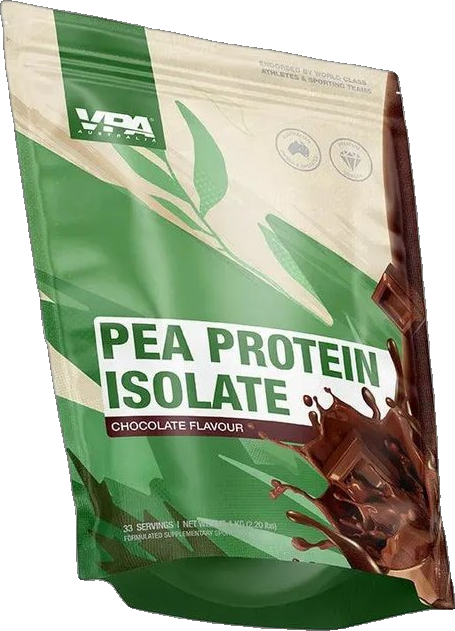
- 1at VPA Australia · packs from $36.00$4.24/100g protein
- 2at Supplement Mart · packs from $40.00$4.84/100g protein
- 3at Mr Supplement · packs from $59.95$5.65/100g protein
To find genuine value, sort protein powders by price per 100g rather than sticker price, then cross-check protein concentration so you're comparing cost per gram of actual protein. Confirm the current price is near its historic low on the price-history chart — a permanent 'sale' price isn't a real discount, just the regular price with a banner on it.
2.3x. That's the spread between the cheapest and most expensive whey concentrate on the 14 Australian stores we track daily. Bulk Nutrients WPC on sale runs about $3.20/100g; Optimum Nutrition Gold Standard at full retail crosses $7.50/100g. Same macronutrient, very different sticker. Rankings churn day to day as sales rotate, but the method for finding the floor never changes. Once we walk through it, you can identify a real deal any week of the year.
Why the Sticker Price Misleads You
Brands ship protein in 500g, 750g, 1kg, 1.5kg, 2kg, 2.27kg, 2.4kg, 3kg, 4kg, and 5kg formats, and they don't pick those sizes by accident. Bulk Nutrients alone sells WPC in three weights, Muscle Nation in two, and BSc rotates pack sizes by retailer. The visual chaos exists because it makes head-to-head comparison hard.
A 2kg bag at $79 looks cheaper than a 1kg bag at $44. Run the numbers and they're $3.95/100g versus $4.40/100g. Close. Now factor in protein concentration. If the 2kg bag is a 75% blend and the 1kg is an 88% isolate, the per-gram-of-protein cost flips to $5.27 versus $5.00 per 100g of actual protein. The 1kg wins.
The only fix is to compare on a standardised basis. We use price per 100g of powder as the default, then cross-check protein density. Two numbers, price and protein percentage, answer almost every "is this a good deal" question we get.
How We Calculate Value
In our tracking across 14 Australian stores, every product is normalised to a price per 100g. That's the column we sort by, and it's the one number we want anyone benchmarking a buy to look at first.
Sort the protein comparison table by Value ($/100g) ascending. The top entries are the cheapest powder per gram on the shelf today. Cross-reference the Protein/100g column: at $4.00/100g, a tub with 80g protein per 100g delivers protein at $5.00/100g, while a 70g tub at the same price comes in at $5.71/100g. Same sticker, 14% more protein. That gap is where the actual value lives.
Leucine content is the second sanity check. The Morton et al. (2018)[1] meta-analysis pegs the per-serve leucine threshold for muscle protein synthesis at roughly 2.5–3g. A whey isolate at 25g protein per serve hits that easily; a pea-rice blend at 20g per serve usually needs a slightly larger scoop to clear the same bar.
The price history chart on each product page tells us whether the current number is meaningful. If a Bulk Nutrients WPI is sitting at its lowest recorded $/100g, that's a real signal. If it's been at the same "sale" price for six months running, the discount is a marketing convention, not a buying opportunity. Our verdict: ignore percentage-off banners, look at the line chart.
Price Benchmarks for the Australian Market
We benchmark four protein categories against current AU pricing. Bands shift with sales, so check SuppSaver for the live floor, but these numbers are a useful sanity check:
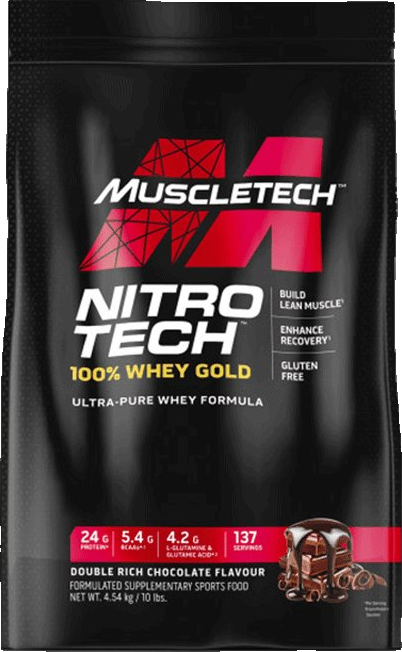
- Whey concentrate: $3.50–4.50/100g is good value. Bulk Nutrients WPC and International Protein Amino Charged sit here regularly. Above $6.00/100g (where Optimum Nutrition Gold Standard usually lands at RRP) you're paying for the label, not the macro.
- Whey isolate: $4.50–6.00/100g for the volume-brand isolates (Bulk Nutrients WPI, Rule1 R1 Protein). Premium isolates like Muscle Nation Total Protein run $6.00–7.50/100g and we'd only pay that on a real sale.
- Plant-based (pea/rice blend): $4.00–6.00/100g. Bulk Nutrients Future Whey-style blends and BSc Plant Protein anchor the lower end. Prices fell roughly 25% over the last three years as local production scaled (ABS, 2024).
- Casein: $5.00–7.50/100g across Optimum Gold Standard Casein and Rule1 Casein. Smaller category, less price competition, so the floor is higher.
Below these bands we get sceptical. Very cheap products often run lower protein concentration, heavier filler ratios, or non-micronised blends that don't mix well. Above these bands without a clear formulation reason (added EAAs, hydrolysate, organic certification, third-party tested for banned substances under HASTA or Informed Sport), we treat it as a brand premium and skip.
When to Buy: Sales Cycles in Australia
AU supplement retailers run predictable cycles. The four windows worth labelling on a calendar:
- Black Friday / Cyber Monday (late November): the biggest event of the year. We typically see 20–40% off sitewide, with stores like Mr Supplement and Sprint Fit cutting Optimum and BSc lines by the full headline number.
- End of financial year (June–July): stock clearances on lines being discontinued or reformulated. This is the window for one-off deep discounts on slower-moving SKUs.
- New Year (January): resolution-driven demand, modest discounts. Don't overpay; the savings here rarely match November.
- Easter and public holidays: most majors run something. Solid for top-ups, not for stocking up.
Every product page on SuppSaver carries a historical chart showing when that exact SKU went on sale and how deep the discount went. That's a more honest baseline than "20% off" headline copy. Our judgement: if a Bulk Nutrients WPC has touched $3.20/100g twice in the last 12 months, anything north of $3.80/100g isn't a sale, it's the regular price with a sticker on it.
Which Retailers Are Usually Cheapest?
Price leadership shifts by brand. Manufacturer-direct stores (Bulk Nutrients, Muscle Nation) tend to set the floor on their own lines because they have no margin to share with a retailer. For multi-brand stock (Optimum, BSc, Rule1), price competition between Sprint Fit, Mr Supplement, Amino Z, and The Supplement Stop is real, and the cheapest store rotates weekly.
Online-only retailers consistently undercut bricks-and-mortar, particularly on 2kg-plus bags where the freight cost is amortised. We've watched the same 2.27kg Optimum Gold Standard tub sit at $99 in-store and $79 online in the same week. Shipping erodes that on small orders, so the comparison we run is always total delivered price, not catalogue price.
SuppSaver surfaces the current lowest across every tracked retailer with a direct buy link, updated daily. Each category table shows the lowest available per product, so a single page is reading from 14 catalogues at once rather than asking us to alt-tab between them.
A Practical Buying Strategy
A five-step playbook we'd give a friend:
- Sort the SuppSaver protein page by $/100g ascending.
- Filter by type: whey concentrate if cost dominates, isolate if you're lactose-sensitive, plant if dairy is out.
- Inspect the top 5–10 entries and check Protein/100g. If concentration is unusually low (sub-60% for a "whey"), drop it. Confirm the per-serve leucine clears 2.5g (Morton et al., 2018[1]).
- Click through and pull up the price history. Is the current price at or near the historic floor?
- If yes, buy. If no, set a reminder for two to three weeks and revisit. Resistance training-induced muscle gains are driven by total daily protein intake, not by which day you bought it (Morton et al., 2018[1]; Jäger et al., 2017[2]), so patience costs nothing.
- Normalised every SKU to price per 100g of powder, then cross-checked protein concentration (g protein per 100g) so single-serve cost reflects actual macronutrient delivery.
- Validated per-serve leucine against the Morton et al. (2018) muscle protein synthesis threshold (~2.5–3g) for whey, isolate, and plant blends.
- Surfaced only products with verifiable third-party testing where claimed (HASTA, Informed Sport, NSF Certified for Sport) and flagged premium pricing without that backing as brand markup.
- Read the 12-month price history on every shortlisted SKU to separate genuine discounts from permanent "sale" stickers.
Frequently Asked Questions
How do you find the best value protein powder in Australia?
Sort by price per 100g on the comparison table, the standardised figure that beats headline pricing, then cross-check the Protein/100g column so cost reflects actual protein delivered, not tub weight. Finally check each product's price-history chart: a price near its 12-month low is a genuine deal, while a static "sale" price that never changes is just the regular price.
Why is sticker price a bad way to compare protein powders?
Brands sell protein in many pack sizes, from 500g to 5kg, which makes comparison hard. A 2kg bag at $79 looks cheaper than a 1kg bag at $44, but per 100g that's $3.95 versus $4.40. Factor in protein concentration and it can flip: a 75%-protein 2kg bag can cost more per gram of protein than an 88% isolate 1kg bag.
What are normal price ranges for protein powder in Australia?
Whey concentrate around $3.50–4.50 per 100g is good value; above $6.00/100g you're likely paying for the brand, not the macros. Whey isolate runs $4.50–6.00/100g for volume brands, up to $7.50 for premium labels. Plant-based blends sit at $4.00–6.00/100g, and casein is the priciest category at $5.00–7.50/100g due to less price competition.
When are the best times to buy protein powder on sale in Australia?
Black Friday and Cyber Monday in late November is the biggest event, typically 20–40% off sitewide. End of financial year (June–July) brings stock clearances on discontinued or reformulated lines. New Year discounts are modest despite the resolution rush, and Easter or other public holidays are fine for a top-up but not for stocking up.
Which stores have the cheapest protein powder in Australia?
It depends on the brand. Manufacturer-direct stores like Bulk Nutrients and Muscle Nation usually set the floor on their own-label lines, since there's no retailer margin to cover. For multi-brand stock, competition between online retailers is real and the cheapest store rotates weekly, so compare total delivered price, not catalogue price.