 SUPPSAVER
Whey vs Plant vs Casein Protein: Which Should You Buy?
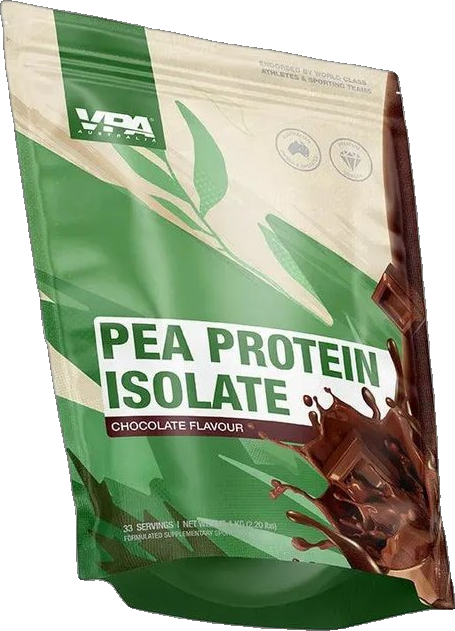
- 1at VPA Australia · packs from $36.00$4.24/100g protein
- 2at Supplement Mart · packs from $40.00$4.84/100g protein
- 3at Mr Supplement · packs from $59.95$5.65/100g protein
Buy whey concentrate by default — it's the cheapest, most-studied option per gram of protein for anyone who tolerates dairy. Add casein only for pre-sleep dosing during a cut or late training. Choose a plant-based pea/rice blend if you're dairy-free or vegan. Match the format to your situation; price per gram of protein decides within each category.
Whey concentrate sits at roughly $3.50/100g across the 14 AU stores we benchmark. Isolate runs $5.20/100g. Plant blends land at $5.80/100g for like-for-like protein density. Three formats, three speeds, three shopping economics. Here's how we'd buy.
Whey Protein: The Default for a Reason
The liquid by-product of cheese manufacturing, strained off when milk is curdled, is whey. It digests fast, scores high on leucine (the amino acid that flips on muscle protein synthesis), and mixes cleanly in water. Morton et al. (2018)[2] pooled resistance-training trials and put whey at the top of the practical-effect rankings.
Whey Concentrate is the cheapest credible form. It typically lands at 70–80% protein by weight, with the rest being lactose and milk fat. If you tolerate dairy and you're cost-led, concentrate is hard to beat. In our tracking, Bulk Nutrients WPC averages around $3.20/100g and Optimum Nutrition's Gold Standard 100% Whey (which is actually an isolate-led blend) hovers near $5.50/100g.
Whey Isolate runs through extra filtration to strip most of the lactose and fat, leaving 85–95% protein. It's leaner per scoop and far easier on lactose-sensitive stomachs. The premium we see is consistent: isolate costs 20–40% more per 100g of product than concentrate. Bulk Nutrients WPI sits near $4.50/100g, ATP Science Noway around $7.20/100g.
Best for: Most lifters and most budgets. Post-workout, baking, smoothies, the lot.
Casein: Slow and Steady
Casein is the other big milk protein, accounting for roughly 80% of milk's protein content versus whey's 20%. It curdles in stomach acid and trickles amino acids into circulation over 5–7 hours, where whey is done inside two. Res et al. (2012)[3] showed pre-sleep casein lifts overnight muscle protein synthesis in trained subjects, which is the trial most casein marketing leans on.
That slow-release profile is why casein is sold as a nighttime protein. The evidence for it being meaningfully better than spreading whey across the day is mixed, but it's not nothing if you're in a cut or training twice daily. We'd still rank total daily intake far above timing.
Casein is structurally thicker and texturally heavier than whey, which kills it for thin shakes but makes it excellent stirred into Greek yoghurt or oats. It's also typically pricier than whey concentrate per 100g. Optimum Nutrition Gold Standard Casein lands around $7.80/100g in our scrape, which is steep for what's effectively a niche use-case product.
Best for: Pre-sleep dosing, baking, satiety on a deficit, anyone who wants a protein pudding without buying a separate ingredient.
Plant-Based Protein: Not Just for Vegans
Plant protein has improved sharply since 2020. The four formats you'll see are pea, rice, soy, and pea/rice blends, and the blends dominate the shelf at retailers like Nutrition Warehouse and Amino Z.
Pea protein is the modern default. It has a respectable amino profile, sceptical noses aside, and the texture has caught up to whey for most blenders. Pea is lower in methionine than whey, but it's high in lysine and the BCAAs.
Rice protein is rarely sold solo and almost always blended with pea. The pairing is chemistry-led, not marketing-led. Pea is methionine-poor and lysine-rich, rice is the inverse, and a properly balanced pea/rice blend gets within a hair of whey on essential amino content.
Soy protein is nutritionally the closest single plant source to whey. It's a complete protein with solid leucine. The phytoestrogen panic has thinned the shelf, though the human evidence for normal dietary intake disrupting hormones in healthy adults is thin. We're sceptical of the panic.
Plant protein is rarely cheaper than whey concentrate on a like-for-like basis. Check the protein-per-100g column carefully. Some pea/rice products dilute heavily with flavours, gums, and added fibre, dropping effective protein density to 60% or lower. In our tracking, Vital Plant Protein lands near $6.10/100g and Macro Mike Premium Plant near $7.40/100g. Bulk Nutrients Vegan Protein remains the budget anchor at roughly $4.80/100g.
Best for: Vegans, vegetarians, lactose-intolerant shoppers, or anyone who wants to rotate sources for gut variety.
How to Compare Them on Price
The classic mistake is comparing sticker prices on different-sized bags. A 2kg tub at $90 looks cheaper than a 1kg tub at $50, but if the first is labelled 75% protein and the second 85%, the effective cost per gram of protein is nearly identical.
SuppSaver normalises every product to price per 100g of product and surfaces protein per 100g next to it. You get the true cost-per-gram-of-protein in one glance instead of doing fraction maths in the aisle.
The AU benchmarks we'd use right now: quality whey concentrate $3–5/100g, isolate $4–7/100g, plant blends $4–8/100g. Sit above those bands and you're paying a brand tax, not a quality premium.
The Practical Answer
Here's what we'd actually buy, by use case.
Default for most lifters: Bulk Nutrients WPC at around $3.20/100g. Cheapest credible whey on the market, protein density above 75%, well-organised label. Hard to beat as a daily driver.
Lactose sensitive but still dairy: Bulk Nutrients WPI at around $4.50/100g, or step up to ATP Science Noway near $7.20/100g if you want grass-fed sourcing. Both micronised, both clean.
Pre-sleep slow protein: Optimum Nutrition Gold Standard Casein near $7.80/100g. Pricey, but it's the format we'd reach for if you cut hard or train late.
Dairy-free or vegan: Bulk Nutrients Vegan Protein at roughly $4.80/100g for budget, Vital Plant Protein near $6.10/100g for taste and texture. Skip soy isolates above $7/100g unless you specifically want soy.
Premium taste-first pick: Macro Mike Premium Plant at $7.40/100g. We wouldn't buy it on cost, but the flavour engineering is legitimately the best plant powder we benchmark.
The best protein powder is the one you'll drink five days a week for a year. Don't optimise the marginal 2% difference in amino profile and lose 30% on price. Total daily protein intake is the lever that matters. Per Jäger et al. (2017)[1]'s ISSN position stand, anywhere from 1.4–2.0g per kg of bodyweight per day covers the working range for most trainees.
The Verdict
Buy whey concentrate. If you tolerate dairy and you're not chasing a specific use case, Bulk Nutrients WPC at $3.20/100g is the call. It's cheap, well-labelled, and the trial evidence backing whey is the strongest in the category.
Add casein only if it fits your day: pre-sleep dosing during a cut, or a late training slot where you want a slow trickle overnight. For everyone else it's a niche spend.
Go plant if you have to, not by default: dairy-free shoppers should anchor on a pea/rice blend like Bulk Nutrients Vegan Protein at $4.80/100g. Skip anything above $7/100g unless the flavour engineering genuinely justifies it. The amino gap closes once you balance pea with rice; the price gap doesn't have to.
Frequently Asked Questions
Whey, casein, or plant protein: which should you buy?
For most lifters who tolerate dairy, buy whey concentrate — it's the cheapest credible option per gram of protein and has the strongest trial evidence. Add casein only for pre-sleep dosing or late training sessions. Choose a pea/rice plant blend if you're dairy-free or vegan, anchoring on the cheapest option that clears a solid protein-per-100g figure.
What's the difference between whey, casein and plant protein?
Whey digests fast (absorbed within about two hours) and is the highest in leucine, making it the standard post-workout choice. Casein digests slowly over five to seven hours, useful before bed. Plant protein, usually a pea and rice blend, has closed much of the amino-acid gap with whey but is rarely cheaper on a like-for-like basis.
Is plant protein as effective as whey for building muscle?
Pea protein is methionine-poor but lysine-rich; rice protein is the inverse. Paired together in a blend, the two amino-acid profiles complement each other and the properly balanced result gets within a hair of whey on essential amino acid content. Still check the protein-per-100g figure, since some plant blends dilute heavily with added fibre and flavouring.
When should I use casein instead of whey?
Casein trickles amino acids into the bloodstream over five to seven hours, versus roughly two for whey, so it suits pre-sleep dosing or satiety on a deficit. It's thicker than whey, works well in yoghurt or oats, but typically costs more per 100g, so it's a tactical add-on rather than a daily replacement.
How much extra does whey isolate cost compared to concentrate?
Isolate runs through extra filtration to strip most of the lactose and fat, leaving 85–95% protein by weight versus concentrate's 70–80%. Across Australian pricing data the premium is consistent: isolate costs 20–40% more per 100g of product than concentrate. It's worth the extra cost mainly for lactose-sensitive shoppers; everyone else gets the same practical benefit from cheaper concentrate.
What's the best way to compare protein powder prices?
Compare price per 100g of product alongside protein per 100g, not the sticker price on the tub. A 2kg tub priced higher than a 1kg tub can still be cheaper per gram of protein if it's a higher-protein formula. SuppSaver normalises every product this way so the true cost per gram of protein is visible at a glance.
References
- Jäger et al., 2017. International Society of Sports Nutrition Position Stand: protein and exercise
- Morton et al., 2018. A systematic review, meta-analysis and meta-regression of the effect of protein supplementation on resistance training-induced gains in muscle mass and strength in healthy adults
- Res et al., 2012. Protein ingestion before sleep improves postexercise overnight recovery