 SUPPSAVER
Casein Protein: Benefits, Best Time to Take It & Australian Prices
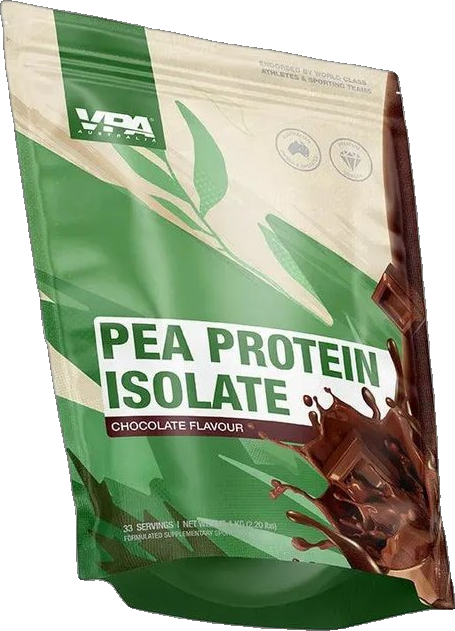
- 1at VPA Australia · packs from $55.00$6.88/100g protein
- 2at Supplement Warehouse · packs from $80.70$10.43/100g protein
- 3at Mr Supplement · packs from $74.95$11.33/100g protein
Casein is a slow-digesting milk protein best taken as 30 to 40g of micellar casein 30 to 60 minutes before bed, where it supports overnight muscle protein synthesis and curbs night-time hunger. In Australia it costs A$5 to $7.50 per 100g, roughly 50 to 70% more than whey concentrate, so it's worth buying only for that specific overnight or satiety job.
22%. That's how much overnight muscle protein synthesis climbed in the Res et al. (2012)[1] trial when participants drank 40g of casein 30 minutes before bed. That's the only number that matters here. Casein is whey's slow sibling, less famous and less aggressively marketed, but it does one thing whey can't: drip-feed amino acids for 5 to 7 hours instead of spiking and crashing inside 90 minutes. We think that matters for a narrow set of people. Everyone else is paying a premium for nothing.
What Is Casein?
Cow's milk protein is 80% casein. The other 20% is whey. Strain yoghurt, make cheese, or warm milk too long and you're watching casein precipitate into solid curd. Whey stays liquid and gets siphoned off as a cheesemaking by-product, which is part of why it's cheaper.
In the stomach, casein hits the acidity and forms a gel-like clot thanks to its micellar structure. That clot digests slowly and evenly, releasing amino acids over hours rather than minutes. The blood amino acid curve is a low plateau instead of a sharp peak.
The amino acid profile itself is excellent. Casein is a complete protein with all essential amino acids, decent leucine content, and a high biological value. The quality is comparable to whey. The difference sits entirely in the digestion kinetics, not the raw building blocks.
Micellar Casein vs Casein Hydrolysate: An Important Distinction
If a tub says "casein", it's almost certainly micellar casein. That's the intact, slow-digesting form, and it's what every nighttime-protein study has actually tested.
Casein hydrolysate is pre-digested casein, with the protein chains chopped into shorter peptides. That makes it fast-absorbing, with kinetics closer to whey. The slow-release property is the entire reason to buy casein, and hydrolysate throws it away.
The Nighttime Protein Research
Res et al. (2012)[1], published in Medicine & Science in Sports & Exercise, is the anchor study. Participants who took 40g of casein 30 minutes before sleep showed significantly higher overnight muscle protein synthesis than a placebo group, and whole-body protein balance shifted positive. Translation: less muscle breakdown across the 7 to 9 hours nobody eats.
Snijders et al. (2015)[2] extended the finding over 12 weeks of resistance training in young men and reported greater gains in muscle mass and strength in the pre-sleep casein group. Follow-up work from the van Loon lab confirmed the effect in older adults too. The dose used consistently across these studies is 30 to 40g of micellar casein.
The mechanism is unfussy. Sleep is the longest fast most people run. Without a pre-sleep dose, muscle protein breakdown outpaces synthesis for hours. Casein's slow gel-and-release keeps amino acids circulating through that window.
Whey has been tested as a pre-sleep option and it doesn't hold up. It peaks inside 90 minutes and the amino acid availability falls off long before you wake. The Jäger et al. (2017)[3] ISSN position stand reaches the same conclusion: casein is the right protein for the pre-sleep slot, whey is not.
Who Benefits Most from Casein
We don't think casein is for everyone. Five situations earn it a place in your supplement stack:
People in a calorie deficit: energy restriction suppresses MPS and amplifies overnight catabolism. This is where pre-sleep casein delivers the most measurable upside. If you're cutting, we'd buy it.
High training volume: if you're training 5 to 6 sessions a week, cumulative damage and recovery demand are real. Covering the overnight window is worth optimising when training stress is high.
Hunger management on a cut: casein's gel-forming texture makes it the most satiating protein gram-for-gram. A thick casein pudding kills late-night hunger for around 120 calories. That's a cheap insurance policy against a 9pm raid on the pantry.
Adults over 50: anabolic resistance means older lifters need bigger protein hits to land the same MPS response (Morton et al., 2018)[4]. Pre-sleep casein converts a catabolic window into a productive one.
People who skip breakfast: if your first meal lands mid-morning or later, the fast stretches to 12+ hours. Pre-sleep casein won't fix that entirely, but it blunts the worst of it.
Satiety: A Practical Advantage for Calorie Control
The satiety angle is underrated. The same slow digestion that powers pre-sleep MPS also keeps you fuller for longer. For anyone in a deficit, that's a tangible quality-of-life win.
A thick casein pudding, made by stirring one 30g scoop into 100 to 150ml of water and refrigerating for 20 minutes, runs about 22 to 25g protein for 120 to 130 calories. It's dense, fills the gap a chocolate bar would otherwise occupy, and barely touches your calorie budget. We think this is the single most useful casein hack in a cut.
It also folds well into Greek yoghurt to lift protein and thicken texture, or into overnight oats for a slow-digesting morning option when you're walking out the door without breakfast.
Cooking and Baking Applications
Casein cooks better than whey. Whey turns baked goods rubbery and dry under heat. Casein holds moisture and structure in protein pancakes, muffins, and puddings, where a denser texture is fine or desirable.
Worth trying:
- Protein pudding: 1 scoop casein + 100ml milk or water, mix to thick consistency, refrigerate 20 minutes.
- Protein pancakes: swap 30 to 50% of the flour for casein. Higher protein, better texture than whey-based attempts.
- Protein muffins: casein retains moisture during baking. Whey muffins go dry; casein muffins don't.
- Overnight oats: stir a scoop in before the fridge for a slow-release morning option.
Whey is the wrong choice for the oven. If you bake with protein powder regularly, the casein premium is partly justified on cooking versatility alone.
Dosing Recommendations
The research-backed pre-sleep dose is 30 to 40g of micellar casein, taken 30 to 60 minutes before bed (Res et al., 2012[1]; Snijders et al., 2015[2]). Most tubs serve at 30 to 35g. One standard scoop is in range; bump to 40g if you want the upper end of what the trials used.
This is on top of your normal daily intake, not a swap for it. Your daily target (1.6 to 2.2g protein per kg bodyweight, per Morton et al., 2018[4]) should still come from food and your existing supplementation. The pre-sleep casein dose is icing.
If you're using casein purely for satiety in a deficit rather than overnight MPS, 30g is fine. The fullness benefit doesn't need the bigger dose.
Australian Pricing and Value Assessment
Casein consistently runs more expensive than whey concentrate in Australia, typically A$5 to $7.50 per 100g for a quality micellar product. The manufacturing process is more involved, which sets the floor.
For comparison, decent whey concentrate sits at A$3.50 to $4.50 per 100g. You're paying roughly 50 to 70% more per 100g for casein than for an equivalent-quality whey concentrate.
Is the premium worth it? We've sceptically tested the three buyer profiles:
- Buying casein for pre-sleep use during a cut or heavy training block: yes. The overnight MPS support is real, well-replicated, and whey can't replace it.
- Buying casein as your only protein supplement: no. The premium isn't justified for daytime use. Cover your daily target with whey concentrate and add casein only for the specific overnight or satiety job.
- Buying casein because the label says "premium" or "advanced": no. There's no daytime advantage worth that markup. Whey concentrate handles the general case at lower cost per gram of protein.
Our recommendation: run whey concentrate as your daily workhorse and keep a 1kg bag of casein on the shelf for pre-sleep use. A 1kg bag at A$6 per 100g costs A$60 and lasts about a month at one scoop per night. That's a defensible spend for a defined benefit. Anything more is enthusiasm tax.
Frequently Asked Questions
What is casein protein?
Casein is the protein that makes up 80% of cow's milk, with whey the remaining 20%. In the stomach it forms a gel-like clot from its micellar structure, releasing amino acids over 5 to 7 hours instead of minutes. Its amino acid profile and biological value are comparable to whey; only the digestion speed differs.
What's the best time to take casein protein?
The research-backed window is 30 to 60 minutes before sleep, using 30 to 40g of micellar casein. Studies dosed participants at this window and measured higher overnight muscle protein synthesis and improved whole-body protein balance compared with placebo. Most commercial tubs serve 30 to 35g, which already sits inside the tested range, so one standard scoop before bed is enough.
Is micellar casein different from casein hydrolysate?
Yes. Micellar casein is the intact, slow-digesting form used in every nighttime-protein study, and it's what most tubs labelled simply "casein" contain. Casein hydrolysate is pre-digested, with the protein chains chopped into shorter peptides, which makes it absorb fast, closer to whey's kinetics. For a pre-sleep dose, look for "micellar casein" or "calcium caseinate" and avoid hydrolysate.
Who benefits most from casein protein?
Five groups get the most value: people in a calorie deficit, where overnight catabolism is highest; high-volume trainers doing 5 to 6 sessions a week; anyone using it to manage late-night hunger; adults over 50, who face anabolic resistance; and breakfast-skippers running a long overnight fast. Outside these cases, the extra cost over whey is hard to justify.
How much does casein protein cost in Australia?
Quality micellar casein typically costs A$5 to $7.50 per 100g in Australia, against A$3.50 to $4.50 per 100g for whey concentrate — roughly 50 to 70% more. A 1kg bag at around A$6 per 100g costs about A$60 and lasts a month at one scoop nightly, which is a defensible spend if you're using it specifically for pre-sleep or satiety.
References
- Res et al., 2012. Protein ingestion before sleep improves postexercise overnight recovery
- Snijders et al., 2015. Protein Ingestion before Sleep Increases Muscle Mass and Strength Gains during Prolonged Resistance-Type Exercise Training in Healthy Young Men
- Jäger et al., 2017. International Society of Sports Nutrition Position Stand: protein and exercise
- Morton et al., 2018. A systematic review, meta-analysis and meta-regression of the effect of protein supplementation on resistance training-induced gains in muscle mass and strength in healthy adults