 SUPPSAVER
Protein Timing: Before or After Workout?
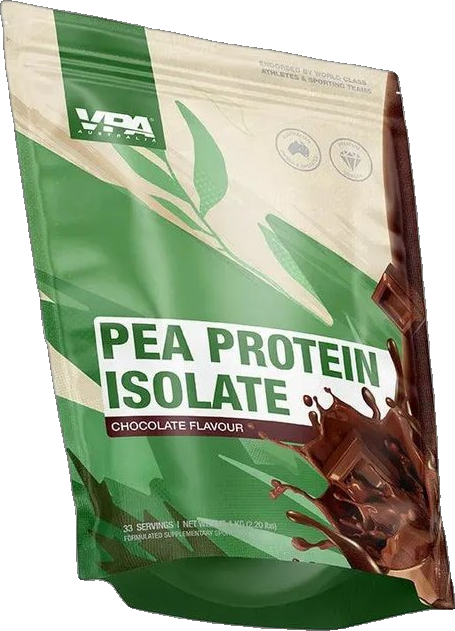
- 1at VPA Australia · packs from $36.00$4.24/100g protein
- 2at Supplement Mart · packs from $40.00$4.84/100g protein
- 3at Mr Supplement · packs from $59.95$5.65/100g protein
Thirty minutes. That's the post-workout window supplement labels have been selling for two decades, and it's the single most aggressively marketed idea in sports nutrition. The current evidence puts the practical window closer to 4–6 hours around the session. Our verdict up front: total daily protein and even distribution across 4 meals decide your gains. The pre-versus-post-workout question barely registers if you're already eating like an adult.
The Anabolic Window: What the Evidence Actually Shows
The anabolic-window concept emerged from early research showing elevated muscle protein synthesis (MPS) in the hours immediately following resistance training. Supplement companies subsequently compressed that window to 30–60 minutes and sold protein powders on the back of it.
Schoenfeld et al. (2013)[1] ran the most thorough meta-analysis of protein timing and hypertrophy at the time. The conclusion: total daily protein intake matters considerably more than when that protein is consumed. When the included studies controlled for total intake, the timing effect was largely eliminated.
Aragon & Schoenfeld (2013)[2] refined the practical guidance. The usable window for post-workout protein is roughly 4–6 hours around the training session, not 30 minutes. If you ate a protein-rich meal 2 hours before training, the amino acids from that meal are still circulating and available for muscle repair well into the post-workout period.
Pre-Workout Protein: When It Matters
Pre-workout protein is relevant in one specific scenario: fasted training. If you train first thing in the morning without eating beforehand, your body enters the workout with no circulating amino acids from a recent meal. In this state, muscle protein breakdown runs higher and the case for pre-workout protein becomes meaningful.
A fast-digesting protein source (whey being the obvious choice) consumed 30–60 minutes before fasted training delivers amino acids that are available during and immediately after exercise. The Aragon & Schoenfeld (2013)[2] review supports modest MPS benefits in this scenario versus fully fasted training.
If you ate breakfast 2–3 hours before your mid-morning session, pre-workout protein is not necessary. The amino acids from that meal haven't left the building yet. Layering another protein hit immediately before training in this context is at best redundant, and at worst just adds unwanted volume to your stomach before heavy sets.
Post-Workout Protein: The Practical Case
Even with the 30-minute hard deadline busted, post-workout protein still makes practical sense for most lifters. Just not because of an urgent biological clock.
After training, MPS sits elevated for 24–48 hours, not one hour. The muscle is primed to use protein efficiently across that extended window. Consuming protein at any point in this period contributes to recovery and adaptation.
The real case for a post-workout shake is simpler. Many people train when real food is inconvenient. A shake is portable, fast to prepare, and requires zero cooking. If a shake means you reliably hit your daily protein target versus haphazardly hitting it, the convenience benefit outranks the timing one by a wide margin.
Pre-Sleep Protein: The Casein Case
Pre-sleep protein has the most interesting timing evidence in the literature. Res et al. (2012)[3] showed that 40g of casein consumed 30 minutes before sleep significantly increased overnight muscle protein synthesis versus placebo. Subsequent work has broadly replicated the effect.
The mechanism makes physiological sense. Sleep is the longest fasting period of most people's day (7–9 hours). Without pre-sleep protein, muscle protein breakdown exceeds synthesis across that window. Casein's slow digestion over 5–7 hours means amino acids trickle out through the night rather than peaking and crashing the way whey does.
Pre-sleep casein appears most beneficial for:
- People in a calorie deficit who are at greater risk of overnight muscle catabolism
- Athletes pushing high training volumes where recovery is the binding constraint
- Older adults whose anabolic sensitivity is reduced and who benefit from squeezing every protein opportunity
- Anyone training late evening with no other protein feeding before bed
The dose in most studies showing benefit is 30–40g, not a token 20g serve. Worth checking the label if you're considering adding casein for nighttime recovery.
Protein Distribution: The Timing Factor That Actually Moves the Needle
If timing has a meaningful effect on muscle protein synthesis, it's more likely to come from how you distribute protein across the day than from the pre/post-workout window. Research consistently shows that spreading protein evenly across 4 meals (versus loading most of it into one or two large meals) produces superior MPS responses.
A practical target: 30–40g protein at each of 4 daily meals beats 100g at dinner plus 20g at lunch, even when total daily intake is identical. Each meal needs to cross the leucine threshold (~2.5g leucine, achieved with ~30g whey or ~35–40g of most other proteins) to maximally stimulate MPS, per the ISSN position stand (Jäger et al., 2017)[4].
Skipping protein at breakfast, eating very little at lunch, then loading up at dinner is common but suboptimal. Even distribution outranks pre/post-workout timing as a priority every time we look at the data.
Practical Summary: What to Actually Do
Translate the evidence into a daily structure:
- Hit your daily target first: 1.6–2.2g/kg/day per the ISSN position stand. Everything else is marginal optimisation on top of this.
- Distribute across 4 meals: 30–40g protein per meal, spaced through the day. This matters more than pre/post timing.
- If training fasted: take a fast-digesting protein (whey) before or immediately after your session.
- If training fed: ignore the window. Eat a protein-containing meal within 2–3 hours on either side of training.
- Consider pre-sleep casein: 30–40g micellar casein 30 minutes before bed if you're in a deficit, training hard, or prioritising overnight recovery.
Frequently Asked Questions
Should I take protein before or after a workout?
It depends on whether you train fasted or fed. Training first thing without eating benefits from a fast-digesting protein like whey 30–60 minutes beforehand, offsetting higher muscle breakdown. If you ate a protein-rich meal within the last 2–3 hours, before-or-after timing barely matters — eat a protein-containing meal on either side of the session and move on.
Is the 30-minute anabolic window real?
No, not as marketed. The idea of a strict 30-minute post-workout deadline for protein came from supplement marketing, not the evidence. Research reviewing the anabolic window found the practical usable period is roughly 4–6 hours around a training session, not 30 minutes — amino acids from a meal eaten 2 hours before training are still circulating well after you finish.
How long does elevated muscle protein synthesis last after a workout?
Muscle protein synthesis (MPS) stays elevated for roughly 24–48 hours after a resistance-training session, not the one-hour window the '30-minute anabolic window' myth implies. That means protein consumed at any point across that period contributes to recovery. A post-workout shake still helps mainly because it's convenient, not because of an urgent biological deadline.
Does when I eat protein matter more than how much I eat?
No — total daily protein intake matters considerably more than timing. The most thorough meta-analysis on protein timing and hypertrophy found that once studies controlled for total daily protein, the timing effect was largely eliminated. Hitting your daily target consistently outranks optimising exactly when each dose lands.
Is taking protein before bed actually beneficial?
Yes, the evidence here is the cleanest in the protein-timing literature. A study found 40g of casein consumed 30 minutes before sleep significantly increased overnight muscle protein synthesis versus placebo, and follow-up work has broadly replicated it. It's most useful for people in a calorie deficit, high training volumes, older adults, or late evening training with no protein before bed.
How should I spread protein throughout the day?
Aim for roughly 30–40g of protein at each of four daily meals rather than loading most of it into one or two large meals. Research consistently shows even distribution produces better muscle protein synthesis than skipping breakfast and loading up at dinner, even when total daily intake is identical — and this outranks pre- or post-workout timing as a priority.
References
- Schoenfeld et al., 2013. The effect of protein timing on muscle strength and hypertrophy: a meta-analysis
- Aragon & Schoenfeld, 2013. Nutrient timing revisited: is there a post-exercise anabolic window?
- Res et al., 2012. Protein ingestion before sleep improves postexercise overnight recovery
- Jäger et al., 2017. International Society of Sports Nutrition Position Stand: protein and exercise