 SUPPSAVER
How Much Should Creatine Cost in Australia?
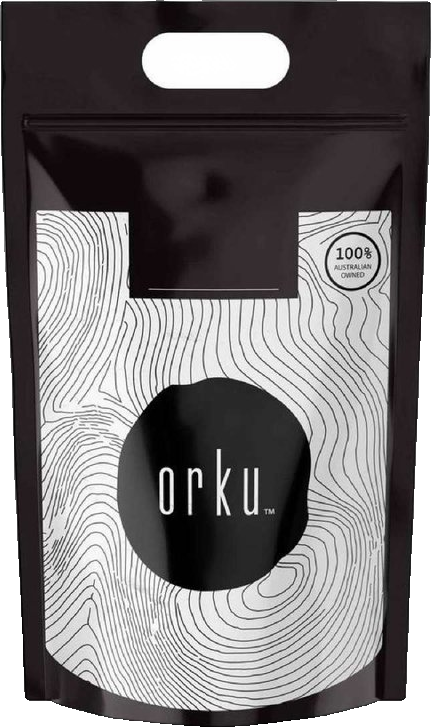
- 1at Woolworths · packs from $259.99$2.60/100g
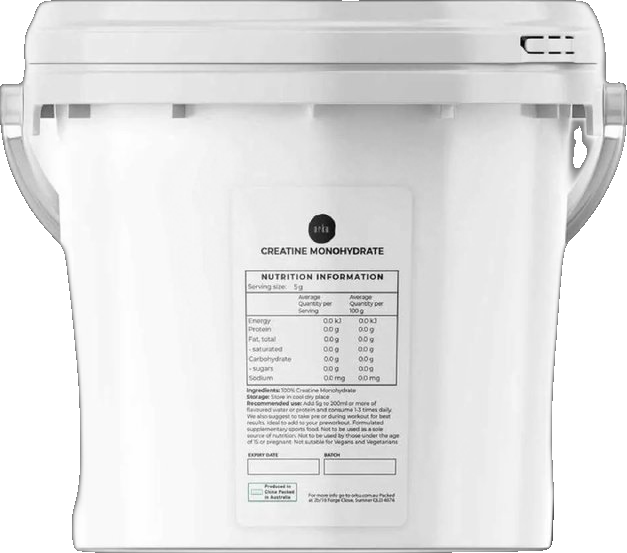
- 2at Woolworths · packs from $119.99$4.00/100g
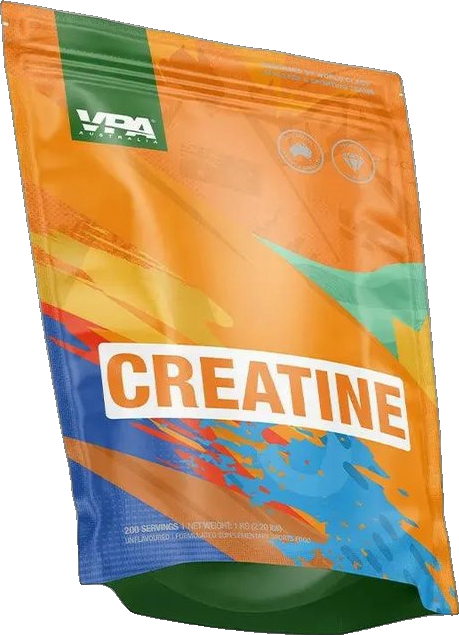
- 3at VPA Australia · packs from $20.00$4.80/100g
Most people shop creatine by tub price, which tells you very little. A $30 tub can be a bargain or a rip-off depending on whether it holds 250g or 1kg, and whether it is plain monohydrate or something dressed up. This guide gives you a benchmark instead: what a fair price per 100g and per 5g serve looks like for each format, based on SuppSaver's tracking of in-stock Australian listings as of October 2026.
The Quick Answer
Across 228 plain (non-Creapure) monohydrate listings from 14 Australian stores, the median price is about $11.30 per 100g, and the cheapest listings start around $4.80 per 100g. Strip out the flavoured and sachet products and the unflavoured median drops to about $9.99. Every other format is a step up from there, some of them a very large one.
Benchmark Bands by Format
We turned the spread of listings into three bands. "Good" is at or below the 25th percentile (the cheapest quarter of listings), "typical" is the middle half, and "expensive" is above the 75th percentile (the dearest quarter). Percentiles are rounded; the table shows what each format costs, not what it should cost in a perfect market.
| Format | Listings | Good | Typical (median) | Expensive |
|---|---|---|---|---|
| Plain monohydrate, unflavoured (per 100g) | 174 | under $8 | $8-14 ($9.99) | over $14 |
| Flavoured, sachet or micronised monohydrate (per 100g) | 64 | under $11.40 | $11.40-16.80 ($15.18) | over $16.80 |
| Creapure-branded powder (per 100g) | 13 | under $17.65 | $17.65-20 ($19.33) | over $20 |
| Creatine HCL powder (per 100g) | 13 | under $58 | $58-111 ($83.25) | over $111 |
| HCL capsules (per 100 caps) | 17 | under $27 | $27-29 ($29.12) | over $29 |
| Capsules, tablets and chews (per 100 units) | 23 | under $33 | $33-50 ($40.56) | over $50 |
| Gummies (per 100 gummies) | 20 | under $54 | $54-73 ($66.58) | over $73 |
Two things stand out. First, the plain unflavoured band is by far the widest and cheapest, with the largest number of listings, so the competition is real. Second, the Creapure band sits about 1.7 times the plain monohydrate median, which makes it a distinct tier rather than a rounding difference. Note that Creapure is detected by name, so an unbranded product made from the same raw material and sold as plain monohydrate lands in the plain band.
Cost per Serve
A typical maintenance serve of creatine monohydrate is 3-5g (our how to take creatine guide covers dosing). At 5g a serve, the median costs work out as follows.
| Format | Median per 5g serve | Note |
|---|---|---|
| Plain monohydrate, unflavoured | $0.50 | About $15 a month at one serve a day |
| Flavoured, sachet or micronised | $0.76 | About $23 a month |
| Creapure-branded powder | $0.97 | About $29 a month |
| Creatine HCL powder | $4.16 per 5g | HCL serves are usually smaller, around 1-2g, so the real daily cost is lower than this headline |
| Capsules, tablets and chews | about $0.41 per unit | Several units are often needed to reach a 3-5g serve |
| Gummies | about $0.67 per gummy | Several gummies are often needed for a 3-5g serve |
The unit-based formats are the ones to watch. Mg of creatine per capsule or gummy is not something we can compare in the catalogue, so check the label. If one gummy holds around 1g of creatine, a 5g serve means five gummies, and the daily cost lands several times above powder.
Why the Formats Differ So Much
- Convenience premium. Capsules, chews and gummies save you a scoop and a shaker. You pay for that by the unit, and the creatine content per unit is small.
- Branding and raw material. Creapure is a named, German-made monohydrate. Brands pay to use it and pass the cost on. Flavoured and sachet products carry extra ingredients and packaging.
- Serve size. HCL is marketed on smaller serves, which makes the per-100g price look dramatic while the per-serve gap is smaller. It is still a premium format, as our monohydrate vs HCL comparison explains.
- Pack size. Small tubs cost more per kilogram. A 100-150g tub and a 1kg tub of the same powder can be priced very differently per gram.
How to Compare Properly
For powders, divide the tub price by the tub weight in grams and multiply by 100. That single number lets you compare a 250g and a 1kg tub directly, and it is the figure behind every band above. For capsules, tablets and gummies, price per 100 units is only half the answer. Find the creatine per unit on the label, work out how many units make your serve, and multiply. Our creatine gummies guide walks through that arithmetic in detail.
Also confirm what you are comparing. A flavoured powder includes flavouring and sweetener, and an HCL product is a different compound with a different serve. A per-100g price is only a fair comparison between like and like.
Bulk Sizes and Price per kg
Plain monohydrate gets cheaper as the pack gets bigger. Median prices across the catalogue in October 2026 were about $200 per kg for 100-150g tubs, $152 for 250-300g, $108 for 500g and $80 for 1kg. The cleaner evidence comes from the same product at the same store in two sizes: moving from 500g to 1kg cut the price per kg by a median of about 20% (across 38 pairs, none dearer), and moving from 250-300g to 1kg cut it by about a third.
A 1kg tub at a 5g daily serve lasts around 200 days, so check the use-by date before you buy and think about upfront cost. We look at the trade-offs in is the 5kg bag worth it.
When Paying More Is Reasonable
Plain monohydrate in the typical band is the baseline. Paying above it can be a fair personal choice, as long as you know what you are buying.
- Taste. If you will only take a flavoured powder consistently, the extra $0.25 or so per serve at the median is a small price for sticking with it.
- Convenience. Sachets, capsules and gummies suit travel and routines where a scoop is a hassle. Just count the real cost per serve.
- Third-party testing and sourcing. Some buyers pay for a named raw material such as Creapure or for published lab reports. That is a reasonable preference, but it is a purchase of assurance, not a different compound.
What the price does not tell you is anything about results. Plain monohydrate is the form most commonly used, and paying for a different format does not change the serve or the guidance on it. If you simply want the lowest sensible price, aim for the good band on unflavoured monohydrate in the largest size you will finish within its use-by date.
Frequently Asked Questions
How much should creatine monohydrate cost per 100g in Australia?
As of October 2026, unflavoured creatine monohydrate in SuppSaver's tracking of Australian retailers has a median of about $9.99 per 100g, with the middle half of listings between roughly $8 and $14. Under about $8 per 100g is a good price; over about $14 is expensive for what is a single-ingredient powder.
How much does a 5g serve of creatine cost?
A 5g serve of plain unflavoured monohydrate has a median cost of about $0.50 as of October 2026, and about $0.76 for flavoured or sachet monohydrate. Creapure-branded powder is around $0.97 per 5g serve at the median. Gummies and capsules usually cost more per serve once you count the units needed.
Is Creapure worth the extra money?
Creapure-branded powder has a median of about $19.33 per 100g in our tracking, roughly 1.7 times the pooled plain monohydrate median of $11.30. That is a premium for a specific German-made raw material and its quality assurance. Whether it is worth it is a preference call; plain monohydrate is the same compound and is commonly used at the same 3-5g serve.
Why is creatine HCL so much more expensive per 100g?
HCL powder has a median of about $83 per 100g, but its serves are usually much smaller (often around 1-2g), so the per-serve gap is narrower than the per-100g gap suggests. Even so, you are paying a clear format premium. Our monohydrate vs HCL guide covers what the price difference does and does not buy.
Are creatine gummies and capsules a fair price?
They are priced for convenience. As of October 2026 the median is about $66.58 per 100 gummies and $40.56 per 100 capsules, tablets or chews. Check the milligrams of creatine per unit on the label, because a 3-5g serve can take several units, which multiplies the real cost per day.
Does buying a bigger tub make creatine cheaper?
Usually, yes. In same-product, same-store comparisons, moving from 500g to 1kg cut the price per kg by a median of about 20%, and from 250-300g to 1kg by about a third. Check the use-by date and how long the tub lasts at your daily serve before committing.