 SUPPSAVER
First Supplements to Buy: What Actually Works
- 1at Woolworths · packs from $259.99$2.60/100g
- 2at Woolworths · packs from $119.99$4.00/100g
- 3at VPA Australia · packs from $20.00$4.80/100g
Three. That's the number of supplements with strong-enough evidence that we'd put them on the first shopping list of any healthy adult who trains. Our scraper tracks 14 Australian retailers and roughly 25,000 SKUs. The evidence base for trained adults supports maybe a dozen of those products, and three sit clearly above the rest: creatine monohydrate, caffeine, and a protein powder if your daily food can't carry the load. Everything else is optional, conditional, or marketing. Our verdict up front: spend $30–50/month on creatine and a tub of whey, drink a coffee before the gym, skip the rest until you've earned the right to add it.
Creatine Monohydrate, the Non-Negotiable
If you train for strength, power, or muscle mass and you're not taking creatine, you're leaving a measurable performance gain on the table for roughly $0.10–0.30 per day. No other legal supplement offers a comparable return. The International Society of Sports Nutrition position stand (Kreider et al., 2017)[1] lists creatine monohydrate as the most effective ergogenic nutritional supplement currently available for high-intensity exercise capacity and lean body mass.
It works by saturating muscle phosphocreatine stores, which lets ATP regenerate faster during high-intensity efforts. The practical result is a 4–8% improvement in strength output over 4–8 weeks. Recovery between hard sets sharpens slightly. Lean mass climbs modestly over time, partly from intracellular water and partly from greater training-volume capacity.
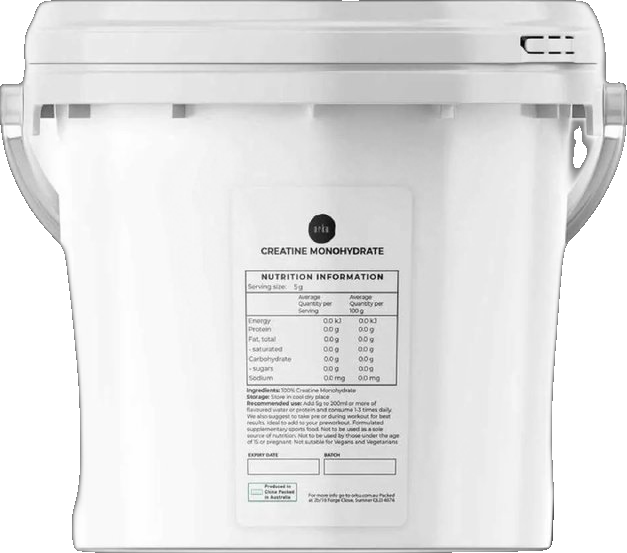
Effective dose is 3–5g per day, every day, training or not. Timing is irrelevant. Consistency is the whole game. You can front-load 20g/day for five days to saturate stores faster, but it's not required. Monohydrate is the only form with decades of human trial data behind it. HCl, ethyl ester, and buffered variants cost more and show no advantage in head-to-head studies (Jagim et al., 2012)[5].
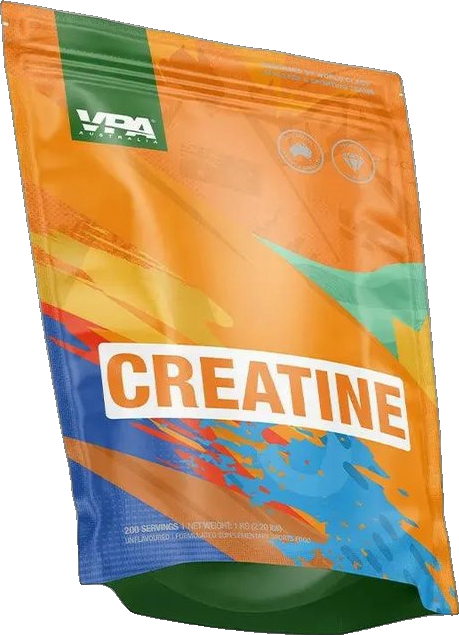
In Australia, unflavoured monohydrate runs $1.50–4.00 per 100g across our tracked retailers. At 5g/day, a 500g bag lasts 100 days and costs $10–25. That's the most cost-effective purchase in the entire supplement aisle, and we'd put it first on anyone's list.
Protein Powder, Convenient Food and Nothing More
Protein powder is convenient food. Its only job is to help you hit your daily target, which sits around 1.6–2.2g per kilogram of bodyweight per day for trained adults (Jäger et al., 2017[2]; Morton et al., 2018[3]). If whole-food sources already get you there, you don't need a tub. Whole foods first, every time.
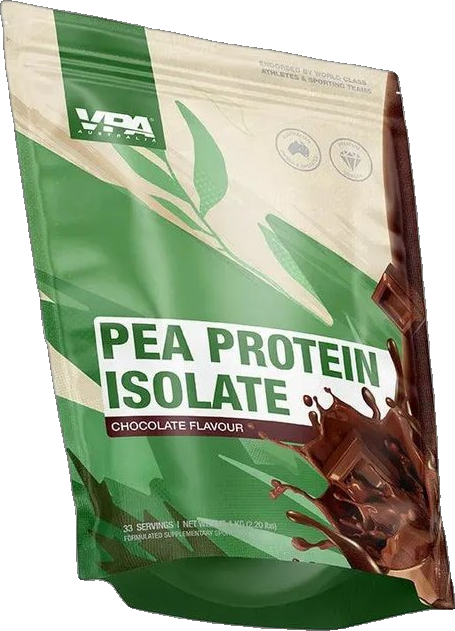
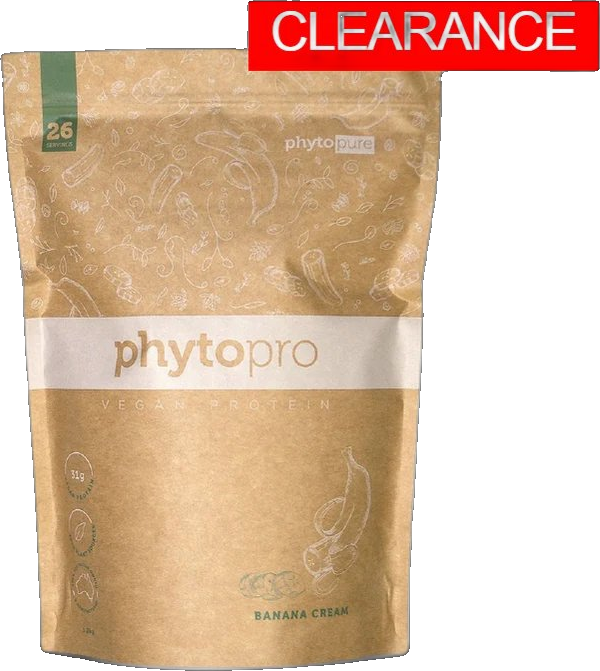
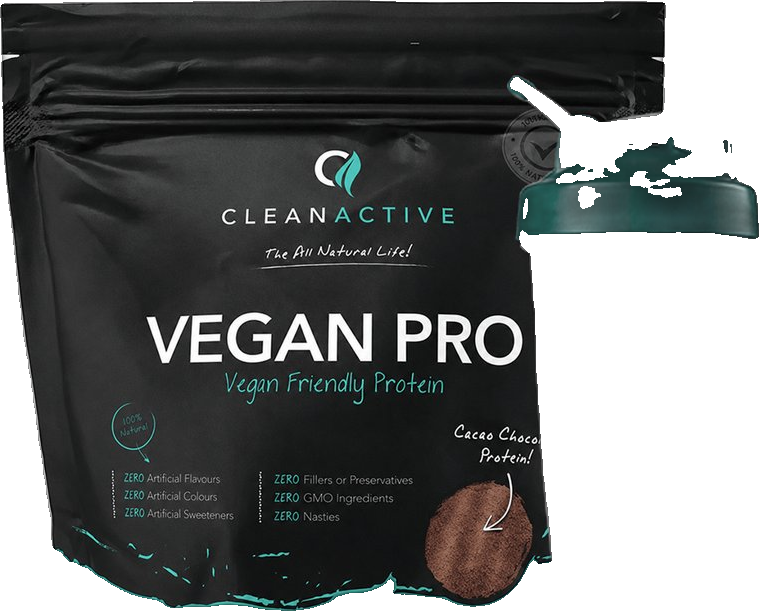
In practice most people who train and work full days find 150g+ of protein from whole foods alone genuinely inconvenient and expensive. A 30g shake costing $1.50–2.50 bridges the gap efficiently. Type matters less than total. Whey concentrate is cheapest and works for most people. Whey isolate carries slightly higher protein density and less lactose if you're sensitive. Plant blends (pea, rice, soy combinations) work for the lactose-intolerant or ethically motivated, though they typically cost more per gram of protein delivered.
When comparing products, always check the protein per 100g figure, not the per-serve number. A good whey concentrate sits at 70–80g protein per 100g. A good isolate hits 85–92g. If a product lists 60g protein per 100g, you're paying protein prices for what is mostly filler. That's the single most common trap on Australian supplement shelves, and our comparison tables surface it instantly.
Caffeine, the Cheapest Pre-Workout
Caffeine is the most extensively studied performance compound in sports nutrition (Guest et al., 2021)[4], and it's the active ingredient responsible for most of what pre-workouts actually do. Effective dose for exercise performance is 3–6mg per kilogram of bodyweight, taken 30–60 minutes before training. For a 75kg lifter that's 225–450mg. One strong cup of coffee at the low end. A moderate pre-workout serve at the high end.
A home espresso costs $0.40. A pre-workout serve costs $1.50–3.00. If caffeine is the reason you're buying pre-workout, black coffee or a $10 pack of caffeine tablets (200mg each, roughly $0.10 per dose) is the cheaper move. Where pre-workouts earn their premium is in the rest of the formula. Look for citrulline malate at 6g or more per serve for blood flow and nitric oxide production, plus beta-alanine at 3.2g or more for carnosine-mediated fatigue buffering. Hit both at full dose and the spend is justified. Miss them and you're paying coffee money for marketing.
One more note: caffeine tolerance is real. We'd cycle off for two to four weeks every few months, or keep use to pre-training only rather than letting it creep into all-day consumption.
Tier 2, Limited but Real Evidence
After the core picks, a smaller group of supplements has real but more modest or conditional evidence. We rate these worth considering once your training, sleep, and nutrition are organised. None of them belong on a first-month shopping list. They earn a place after the basics are dialled in.
- Beta-alanine (3.2g/day): Increases muscle carnosine, which buffers acid accumulation during sustained intense efforts of 60–240 seconds. Causes harmless skin tingling (paraesthesia). Worth including in a pre-workout if the dose is properly labelled.
- Citrulline malate (6g+ per serve): Improves blood flow and feeds nitric oxide production. Research shows improved endurance output and reduced fatigue. Effective dose is often not met in pre-workouts, so read the label.
- Fish oil (2–3g combined EPA+DHA/day): Cardiovascular support, lower inflammation, modest joint benefits. Most Australians don't eat enough oily fish to meet these levels from food. Not a performance supplement, but a sensible general-health one.
- Vitamin D (1000–2000 IU/day): Many Australians working indoor jobs run deficient despite the climate. Low status impairs muscle function and immune health (Holick et al., 2011)[6]. A 25-OH vitamin D blood test is the cleanest way to know whether you need it; supplementing blind is fine for most, but the test is better.
What Doesn't Work for Most People
These categories are either redundant with adequate nutrition or lack meaningful evidence in healthy adults. We'd skip them.
- BCAAs: Leucine, isoleucine, and valine are already present in whey protein at effective ratios. If you're hitting your protein target, a BCAA tub adds nothing. The category exists because the margin on amino acid powder is generous to manufacturers, not because it benefits trainers.
- Most fat burners: Green tea extract, L-carnitine, CLA, and friends have marginal to no meaningful effect on fat loss beyond what a calorie deficit delivers. The only ingredient with real evidence is caffeine, and you can buy that on its own for cents per dose.
- Testosterone boosters: D-aspartic acid, tribulus terrestris, fenugreek extract. None of these significantly raise testosterone in healthy men with normal baseline levels (Bishop et al., 2018)[7]. The category sells on a word, not a result.
- Proprietary "performance" blends without disclosed doses: If the label hides individual amounts, you cannot verify what you're paying for. You're buying marketing.
Red Flags When Buying
Use these filters when you're evaluating a purchase. We apply them ourselves when scoring listings.
- Proprietary blends with no individual doses: A "Pump Matrix 4.7g" line could be 4.6g of taurine (cheap filler) with 0.1g of everything else on the label. There's no way to verify it without per-ingredient amounts. Treat it as suspect by default.
- Exclusive formulas and "patent-pending" language: These phrases are marketing, not science. Genuinely patented ingredients like Creapure creatine or CarnoSyn beta-alanine are verifiable and worth a premium. Vague exclusivity claims are not.
- Celebrity or athlete endorsements on the label: Sponsored athletes are paid endorsers. Their physique is the result of training and genetics, often layered with pharmaceutical support that the product they're holding cannot provide.
- Before/after transformation images: These shots are controlled photographs. Lighting, pump, posing, tan, body-fat shift between sessions, and frequently months of separate lifestyle changes are baked in. They carry no scientific weight as product evidence.
What This Costs in Australia
The minimal effective stack of creatine plus protein (if needed) costs $30–50 per month in Australia when bought at fair prices off the shelves we track. Add caffeine through a properly dosed pre-workout with full-dose citrulline and beta-alanine and the total lands around $70–100/month. That's the entire spend we think the evidence supports for a typical trained adult. Anything beyond it is optional, and most of it is optional in the polite sense of unnecessary.
Use price-per-100g as your comparison unit, not the sticker. A 2kg bag of whey concentrate that looks expensive at the till is often better value per gram of protein than a 500g pouch on special. SuppSaver's value metric normalises for this across every product and bag size we track, so you can compare honestly rather than guessing.
The Verdict
Buy creatine monohydrate first. 3–5g/day, unflavoured, cheapest per-100g brand we list. It's the highest-evidence, lowest-cost purchase in the aisle.
Buy a whey concentrate if you're not hitting 1.6g/kg from food. Check protein-per-100g (target 70g+ for concentrate, 85g+ for isolate). Buy the biggest bag you'll finish in 90 days.
Drink coffee or a $10 caffeine tablet pack 30–60 minutes pre-training. Save pre-workout spend for formulas that actually run 6g+ citrulline and 3.2g+ beta-alanine per serve.
Six months in, reassess. If sleep is decent and joints are fine, no Tier 2 add-on is going to move the needle more than another month of consistent training. If a specific gap shows up (poor recovery, fish-free diet, indoor job and pale year-round), bring in fish oil or vitamin D with a blood test to back it.
- Ranked supplements against ISSN position stands, recent meta-analyses, and the Examine evidence summaries for each compound.
- Surveyed AU retailer pricing in May 2026 across 14 stores in our scraper set (Coles, Woolworths, Bulk Nutrients, Supps247, iHerb AU, MyProtein AU, plus 8 specialty retailers).
- Anchored dose recommendations to the lowest dose with documented effect, not the highest dose tested. Marketing rounds up; we round down.
- Built the recommendation set as a six-month first-spend, not a "best of every category". Anything that does not move the needle in the first six months gets cut.
- Cross-checked every claim against current TGA, NHMRC, and FSANZ guidance for AU buyers and removed compounds where the regulatory framing has shifted.
Frequently Asked Questions
What are the first supplements you should buy?
Three: creatine monohydrate, caffeine, and a protein powder if your daily food can't carry the load. These are the only supplements with strong-enough evidence to top a first shopping list for a healthy adult who trains. Our verdict: spend $30–50 a month on creatine and whey, and skip the rest.
How much creatine should I take daily?
3–5 grams per day, every day, whether you train that day or not. Timing is irrelevant — consistency is the whole game. A loading phase of 20g/day for five days speeds saturation but isn't required. Creatine monohydrate is the only form with decades of human-trial data behind it, and unflavoured powder runs $1.50–4.00 per 100g in Australia.
Do I need protein powder if I already eat enough protein?
No. Protein powder is convenient food, not a magic ingredient — its only job is helping you hit roughly 1.6–2.2g of protein per kilogram of bodyweight daily. If whole-food sources like chicken, eggs, tuna, and dairy already get you there, a tub adds nothing. It only earns its place when whole food can't realistically carry the load.
Is coffee as effective as pre-workout?
For the caffeine component, largely yes. Effective dose for performance is 3–6mg per kilogram of bodyweight, taken 30–60 minutes before training — one strong coffee covers the low end. A pre-workout only earns its premium if it also hits full doses of citrulline malate (6g+) and beta-alanine (3.2g+); without those, you're paying coffee-plus money for marketing.
Are BCAAs worth buying?
No. Leucine, isoleucine, and valine are already present in whey protein at effective ratios, so if you're hitting your protein target, a BCAA tub adds nothing on top. The category exists because the margin on amino acid powder is generous to manufacturers, not because it benefits people who train.
What red flags should I look for when buying a pre-workout or supplement?
Four patterns: proprietary blends that hide individual ingredient doses behind a total weight, vague 'exclusive formula' or 'patent-pending' language, celebrity or athlete endorsements on the label, and before/after transformation photos. None of these carry scientific weight — a genuinely disclosed label with named doses is what to look for instead.
References
- Kreider et al., 2017. International Society of Sports Nutrition position stand: safety and efficacy of creatine supplementation
- Jäger et al., 2017. International Society of Sports Nutrition Position Stand: protein and exercise
- Morton et al., 2018. A systematic review, meta-analysis and meta-regression of the effect of protein supplementation on resistance training-induced gains in muscle mass and strength in healthy adults
- Guest et al., 2021. International society of sports nutrition position stand: caffeine and exercise performance
- Jagim et al., 2012. A buffered form of creatine does not promote greater changes in muscle creatine content, body composition, or training adaptations than creatine monohydrate
- Holick et al., 2011. Evaluation, treatment, and prevention of vitamin D deficiency: an Endocrine Society clinical practice guideline
- Bishop et al., 2018. Testosterone boosting' supplements composition and claims are not supported by the scientific evidence