 SUPPSAVER
Magnesium for Sleep, Glycinate vs Citrate vs Threonate (AU 2026)
- 1at Nutrition Capital · packs from $22.50$3.00/100g
- 2at Oxygen Nutrition · packs from $48.90$5.09/100g
- 3at Woolworths · packs from $31.49$6.30/100g
For sleep, magnesium glycinate is the best all-round choice: well absorbed, gentle on digestion, and the form used in most sleep trials at 200–400mg elemental magnesium. Citrate is a cheaper, equally well-absorbed alternative if you tolerate its laxative effect. L-threonate costs far more and has thinner sleep-specific evidence.
Magnesium glycinate has had a viral moment, and the supplement aisle now offers it in half a dozen forms, each promising better sleep. Glycinate, citrate, oxide, malate, and L-threonate are the most common. They are not interchangeable. The form determines how much elemental magnesium your body actually absorbs, what side effects you can expect, and whether the price tag is justified.
What Magnesium Actually Does for Sleep
Magnesium is a cofactor in over 300 enzymatic reactions. The ones that matter for sleep involve GABA receptor activity (the inhibitory neurotransmitter that helps the brain quiet down), regulation of melatonin synthesis, and modulation of the HPA axis (your stress response).
The clinical evidence for magnesium and sleep is real but modest. Meta-analyses of randomised trials in older adults with insomnia (Mah & Pitre, 2021)[1] show small improvements in sleep onset latency and sleep efficiency. The effect is most pronounced in people who are deficient, and surveys suggest roughly a third of Australian adults don't hit the recommended dietary intake (RDI) of 320–420mg per day.
If your diet is loaded with leafy greens, nuts, seeds, legumes, and whole grains, a supplement is unlikely to transform your sleep. If it isn't, supplementation can make a noticeable difference.
The Three Forms That Matter
Ignore the dozens of obscure forms. For sleep, the three that come up repeatedly are glycinate, citrate, and L-threonate. Here's how they differ.
Magnesium Glycinate (Bisglycinate)
Magnesium bound to two molecules of the amino acid glycine. Glycine itself has mild calming and sleep-onset effects in humans, so the form may offer a small additive benefit over magnesium alone.
Absorption: High. Chelated forms like glycinate are absorbed more efficiently than inorganic salts (oxide, sulfate) and produce less GI distress.
GI side effects: Minimal. The most-tolerated form at higher doses.
Cost: Mid-range. In Australia, expect $25–45 for a 60–90 day supply at a 200–400mg elemental dose.
Best for: Sleep, anxiety, anyone who has experienced loose stools with cheaper forms.
Magnesium Citrate
Magnesium bound to citric acid. Cheap, widely available, and has its own niche use, it pulls water into the bowel, which is why it appears in osmotic laxatives.
Absorption: Good. Better than oxide but slightly below glycinate.
GI side effects: Dose-dependent laxative effect. Beyond ~300mg of elemental magnesium per day, many people experience loose stools or urgency. Useful if you're constipated; counterproductive if you're not.
Cost: The cheapest of the well-absorbed forms. Often half the price of glycinate per gram of elemental magnesium.
Best for: Budget-conscious supplementation in people who tolerate it well; mild constipation support.
Magnesium L-Threonate
A patented form (Magtein) developed by MIT researchers, designed to cross the blood-brain barrier and raise brain magnesium levels, something most other forms do poorly.
Absorption: Comparable to other chelates for systemic absorption, but uniquely effective at raising CSF magnesium in animal studies. Human evidence is thinner.
GI side effects: Low, similar to glycinate.
Cost: The most expensive of the three by a wide margin, often 3–5x glycinate per gram of elemental magnesium. Be aware: standard "Magtein" doses deliver only ~144mg of elemental magnesium, well below the RDI.
Best for: Cognitive symptoms (focus, memory) alongside sleep. Probably overkill for sleep alone.
Forms to Skip
- Magnesium oxide: Cheapest by far, but absorption is around 4%. Most of the dose ends up in the toilet. Common in multivitamins because it lets the label print a big number.
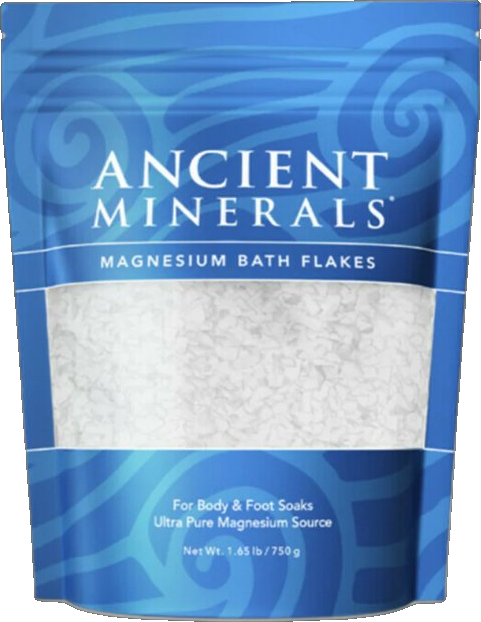
- Magnesium sulfate (Epsom salts): Fine for baths, poor as an oral supplement.
- Magnesium aspartate / glutamate: Aspartate and glutamate are excitatory amino acids, counterproductive if your goal is to wind down.
How Much to Take
The Australian RDI for magnesium is 320mg/day for adult women and 420mg/day for adult men. Most clinical sleep studies (Abbasi et al., 2012)[2] use 200–500mg of elemental magnesium taken 30–60 minutes before bed.
Critical caveat: the number on the front of the bottle is often the weight of the magnesium compound, not elemental magnesium. Magnesium glycinate is roughly 14% elemental magnesium, so a "1000mg magnesium glycinate" capsule provides ~140mg of actual magnesium. Always check the supplement facts panel for the elemental amount.
Tolerable upper intake (supplemental): 350mg/day, per the NHMRC[4]. Higher doses are generally safe in healthy adults but increase the chance of GI side effects. People with kidney impairment should consult a doctor before supplementing.
Australian Buying Guide
Magnesium is a TGA-listed medicine in Australia, which means it carries an AUST L number on the label and has been notified to the regulator[5]. Listed medicines can claim general wellbeing effects ("supports muscle function", "supports sleep quality") but not specific therapeutic claims.
When comparing products, ignore the front-of-pack number and compute price per gram of elemental magnesium. A $30 bottle of glycinate delivering 200mg elemental per serve over 60 serves is cheaper per gram of magnesium than a $20 bottle of oxide delivering 500mg labelled but only 20mg absorbed.
The Verdict
For sleep alone: magnesium glycinate, 200–400mg elemental, 30–60 minutes before bed.
If you're price-sensitive and tolerate it: magnesium citrate. Same goal, less money.
L-threonate is genuinely interesting for cognitive symptoms, but the price premium isn't justified for a sleep-only use case. Take any form consistently for 2–4 weeks before judging, the effects build with repletion of tissue stores.
- Compared the three sleep-relevant magnesium forms on elemental-magnesium yield per dose, not front-of-pack compound weight.
- Weighed each form against the human RCT evidence base for sleep (Mah & Pitre meta-analysis; Abbasi et al. primary trial).
- Surveyed AU retailer pricing in May 2026 across iHerb AU, Chemist Warehouse, Coles/Woolworths, Supps247, and Fairfield Nutrition; reported as $ per 60-90 day course at 200-400mg elemental/day.
- Cross-checked NHMRC NRV tolerable upper intake (350mg/day supplemental) and TGA AUST L claim limits for label-reading guidance.
- Excluded forms (oxide, sulfate, aspartate/glutamate) on absorption or physiology grounds rather than price.
Frequently Asked Questions
Which magnesium is best for sleep, glycinate or citrate?
For sleep alone, magnesium glycinate is the default: it's well absorbed, gentle on the gut, and clinical sleep trials commonly use 200–400mg elemental magnesium. Magnesium citrate is also well absorbed and typically cheaper, so it's a reasonable swap if you're price-sensitive and tolerate its dose-dependent laxative effect above roughly 300mg elemental.
How much magnesium should I take before bed?
Most clinical sleep studies use 200–500mg of elemental magnesium taken 30–60 minutes before bed. Check the supplement facts panel for the elemental amount, not the compound weight on the front label. Magnesium glycinate is roughly 14% elemental, so a 1000mg capsule provides only around 140mg of actual magnesium.
Does magnesium actually help you sleep?
Yes, modestly. Meta-analyses of randomised trials in older adults with insomnia show small improvements in sleep onset latency and sleep efficiency from magnesium supplementation. The effect is most pronounced in people who are actually deficient, and around a third of Australian adults don't hit the recommended daily intake, so results vary by starting status.
What does 'elemental magnesium' mean on a supplement label?
'Elemental magnesium' is the actual weight of the magnesium atoms in a supplement, as opposed to the total weight of the compound (magnesium glycinate, citrate, etc.) that carries it. Front-of-bottle numbers usually show compound weight; the supplement facts panel shows elemental content, which is the figure that determines your real dose.
Is magnesium L-threonate worth the extra cost for sleep?
Probably not for sleep alone. L-threonate (Magtein) is the most expensive of the three main forms, often 3–5x the price of glycinate per gram of elemental magnesium, and standard doses deliver only around 144mg elemental, below the recommended intake. Its evidence is strongest for cognitive effects like focus and memory, not sleep specifically.
Which magnesium forms should I avoid for sleep?
Skip magnesium oxide, sulfate and aspartate/glutamate for sleep. Oxide is absorbed at only around 4%, so most of the dose is wasted; sulfate (Epsom salts) is fine for baths but poorly absorbed orally; and aspartate/glutamate are excitatory amino acids, which works against the goal of winding down before bed.
References
- Mah & Pitre, 2021. Magnesium supplementation for the treatment of insomnia in older adults: meta-analysis of RCTs
- Abbasi et al., 2012. The effect of magnesium supplementation on primary insomnia in elderly: a randomised clinical trial
- Tarleton & Littenberg, 2015. Magnesium intake and depression in adults
- NHMRC Nutrient Reference Values, Magnesium
- TGA, Listed medicines and what AUST L numbers mean