 SUPPSAVER
Best Supplements for Recovery After Training (AU 2026)
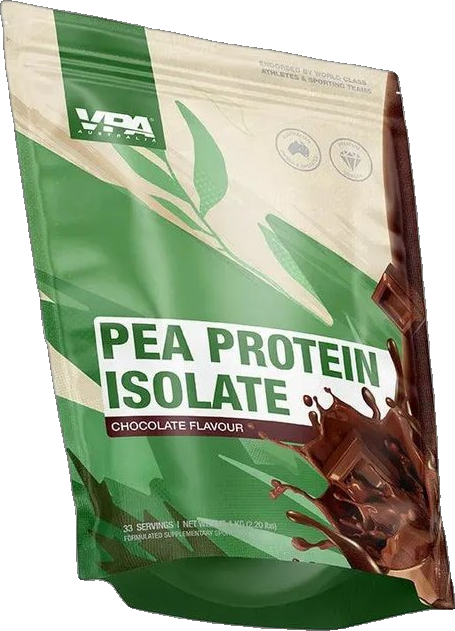
- 1at VPA Australia · packs from $36.00$4.24/100g protein
- 2at Supplement Mart · packs from $40.00$4.84/100g protein
- 3at Mr Supplement · packs from $59.95$5.65/100g protein
7.2 hours. That's the average adult sleep figure from the Australian Bureau of Statistics, with roughly a third of us sitting below 7[1]. That single number kneecaps more recovery than any product on a shelf. We've spent years watching lifters drop $80 a month on "recovery stacks" while running on 6 hours of sleep and 1.2g/kg of protein. The order matters. Sleep first. Protein next. Creatine after that. Everything else is rounding.
The Recovery Hierarchy
Supplements sit at the bottom of this list. They only do work once the rungs above are solid.
- Sleep (7–9 hours): The single biggest lever. Growth hormone pulses during deep sleep, neural fatigue clears, protein synthesis keeps running overnight. No capsule patches chronic restriction.
- Total calories: Recovery is energetically expensive. Training in a steep deficit blunts muscle protein synthesis no matter what else lands on the plate.
- Protein adequacy (1.6–2.2g/kg/day): Leucine triggers muscle protein synthesis, and the ISSN position stand from Jäger et al. (2017)[2] is unambiguous on the dose range. Undershoot it and the ceiling is set.
- Carbohydrates for glycogen replenishment: High-volume training drains muscle glycogen. Post-session carbs refill the tank for tomorrow.
- Program design: Rest days, periodisation, sensible progressive overload. Fatigue accumulates faster than any supplement clears it.
- Supplementation: Plugs identified gaps once the rest is sorted.
Our verdict: if you're spending more on recovery products than on a decent mattress and food, the budget is upside down.
Creatine Doubles as a Recovery Supplement
Most people file creatine under "performance". The recovery side is just as well-supported. The ISSN position stand from Kreider et al. (2017)[3] documents reduced muscle damage markers (creatine kinase, lactate dehydrogenase) after intense sessions, plus faster strength restoration between hard days.
Mechanism. Phosphocreatine resynthesises faster between sets, total volume goes up, cellular stress from high-intensity efforts drops. Post-exercise soreness ratings come down. Strength recovers quicker. Same dose as the performance protocol: 3–5g per day, every day. Timing relative to training is noise next to consistency (Kreider et al., 2017)[3].
Monohydrate is the only form with the evidence base. We've yet to see peer-reviewed data justifying the 4x markup on "HCl" or "Kre-Alkalyn". Don't pay it. For the brand-vs-brand price work, see our creatine monohydrate vs HCl guide.
Magnesium for Sleep and Muscle Relaxation
Magnesium sits in over 300 enzymatic reactions, including muscle contraction, protein synthesis, and ATP production. The 2011–2012 Australian Health Survey nutrient-intake data showed roughly one in three adults under the EAR for magnesium[4]. Dark leafy greens, nuts, seeds, and legumes are the richest sources. Most plates don't feature them.
The training-relevant payoff is sleep quality. Low magnesium tracks with poorer sleep efficiency and more night waking. Repletion in deficient people reliably improves sleep metrics, which then cascades into the recovery benefits sleep already provides (Abbasi et al., 2012)[5].
Dose: 300–400mg elemental magnesium per day. Form matters. Magnesium oxide is poorly absorbed and tends to send people to the bathroom. Magnesium glycinate (bisglycinate) is the best-tolerated form with solid absorption, and the glycine has mild calming effects of its own. Citrate is a fine cheaper compromise.
Take it 1–2 hours before bed so the sleep effect lands when you need it. For form-by-form pricing see our magnesium for sleep guide.
Tart Cherry, Useful Around Demanding Blocks
Tart cherry (Montmorency) is one of the more interesting compounds in the recovery literature. High polyphenols, high anthocyanins, anti-inflammatory and antioxidant activity. The meta-analysis by Hill et al. (2021)[6] pooled 14 trials and found reduced delayed onset muscle soreness and lower muscle damage markers after resistance and endurance work.
The effect size is modest. Consistent, though. Eccentric-heavy sessions and competition weekends are where it pulls its weight. Standard protocol: 30mL of concentrate twice daily, started 4–5 days before the demanding block and continued for 2–3 days after. Capsules (400–480mg CherryPURE or equivalent) work if you'd rather not drink it.
Our verdict: useful peri-competition or around a brutal training week. Don't take it year-round. Chronic anti-inflammatory dosing may blunt some training adaptations (Owens et al., 2019)[7], and the research consistently uses it in windows, not as a daily habit.
Omega-3 (Fish Oil), the Long Game
Fish oil's recovery story is cumulative. Take 2–3g combined EPA+DHA daily for 6–8 weeks and you get modestly lower post-exercise inflammation, better joint comfort, and slightly less damage from unfamiliar exercise (Heileson et al., 2023)[8]. The effect isn't dramatic. It's a steady background contribution to training continuity, not an acute fix.
There are obvious cardiovascular and general-health reasons to take it anyway. Australian oily-fish intake sits well under the two-serves-a-week target (NHMRC dietary guidelines)[9], so most of us start short. Treat fish oil as general health with a recovery side-effect.
Read the label. The number that matters is combined EPA+DHA, not total fish oil. A typical 1000mg capsule is often only 300–600mg active. Aim for 2–3g combined EPA+DHA per day. Refrigerate after opening. If it smells off, it's rancid, and rancid fish oil is pro-inflammatory. Bin it.
Vitamin D, Muscle Function and Immune Headroom
Sunshine country, but deficiency is common among office workers, shift workers, and anyone indoors during daylight. Vitamin D receptors live in muscle tissue, and low status tracks with lower strength, slower recovery, and more illness (Owens et al., 2018)[10]. Illness costs you training weeks. Training weeks cost you adaptation.
A 25-hydroxyvitamin D blood test is the precise route. Calibrate dose to the actual number. Without a test, 1000–2000 IU/day of D3 is a safe maintenance figure for most adults. Pair with K2 (MK-7, 100–200mcg/day) so calcium ends up in bone, not soft tissue.
Our verdict: $15 a year for the supplement, or $25 for the blood test that tells you whether you need it. Either is better value than most "recovery stacks".
Zinc, Testosterone and Immune Function
Zinc is essential for testosterone synthesis, immune function, and protein metabolism. Heavy sweaters lose it through sweat. High training volumes without enough zinc in the diet drain it. Red meat, shellfish, and seeds are the obvious dietary sources.
Repleting a deficient lifter brings testosterone back to healthy normal. Topping up someone already adequate does nothing extra. That's repletion, not enhancement. The "ZMA" marketing trades on the gap between those two ideas (Wilborn et al., 2004)[11]. Don't buy the implication.
Dose: 15–25mg elemental zinc per day if you're going to supplement. Bisglycinate or picolinate absorb better than oxide. Stay under 40mg/day long-term, because excess zinc blocks copper absorption.
What Doesn't Work for Recovery
Some "recovery" products have thin to no evidence in healthy, well-fed adults. We track prices on a lot of them anyway, because demand keeps them on shelves. Demand and evidence aren't the same thing.
Standalone BCAAs. Leucine, isoleucine, and valine are already present in any complete protein source. Hit 1.6g/kg from food or powder per Jäger et al. (2017)[2] and a separate BCAA tub adds nothing on top. You're paying a premium for three amino acids you bought yesterday in your whey. The Wolfe (2017) review[12] in JISSN concluded that the case for free-form BCAAs driving extra MPS in humans on adequate dietary protein is "unwarranted".
Glutamine in healthy adults. Conditionally essential in burn patients and severe GI disease. In healthy lifters, no consistent signal for recovery, immunity, or MPS above what dietary protein delivers. The body makes plenty for normal training demand.
Proprietary "recovery blends". Undisclosed doses of aminos, adaptogens, and vitamins under a glossy label. Individual ingredients can work. The blend almost never hits the doses the research used. Pay for the actives, not the marketing.
Pre-Sleep Protein, the Underused Move
Res et al. (2012)[13] showed that 40g of casein consumed before bed is digested and absorbed overnight, lifts overnight muscle protein synthesis, and improves whole-body protein balance. Eight hours of fasted sleep is a long stretch to leave MPS idling. A casein shake closes it. Cheap, simple, evidence-backed.
Our verdict: if you're already at 1.6–2.2g/kg total daily, a pre-sleep 30–40g of slow protein (casein, or a high-protein Greek yoghurt) is the one extra timing trick we'd actually recommend. Skip the bedtime "night-time recovery formula" with 14 mystery ingredients. Plain casein does the job. See our casein guide for AU brand pricing.
The Verdict
Fix the basics first. 7–9 hours of sleep, calorie adequacy, 1.6–2.2g/kg protein. If any of these are missing, no capsule fills the gap.
The daily stack we'd actually buy: creatine monohydrate 3–5g, magnesium glycinate 300–400mg elemental in the evening, vitamin D3 1000–2000 IU (calibrate via blood test), and a 30–40g pre-sleep casein shake. That covers the evidence-led bases at roughly $1–1.50 per day.
Situational adds: tart cherry concentrate around eccentric-heavy blocks and competition weekends. Omega-3 if your oily-fish intake is low. Zinc only if dietary intake is poor or you're a heavy sweater.
What we'd skip: standalone BCAAs, glutamine, "recovery blend" proprietary matrices, and any bedtime formula with more than three actives at undisclosed doses.
- Built the recovery hierarchy from ISSN position stands on protein (Jäger et al., 2017) and creatine (Kreider et al., 2017) plus ABS sleep statistics.
- Surveyed AU retailer pricing in May 2026 across iHerb AU, Chemist Warehouse, Supps247, Bulk Nutrients, and Coles for the core stack (creatine, magnesium, vitamin D, casein).
- Cross-checked recovery-specific compounds (tart cherry, omega-3, vitamin D) against the most recent meta-analyses and ISSN/NHMRC position stands.
- Filtered "what does not work" claims against the Wolfe (2017) review on BCAAs and the Wilborn ZMA trial rather than market chatter.
- Benchmarked the daily stack cost-per-day against typical "recovery stack" SKUs sold by AU multi-brand retailers.
Frequently Asked Questions
What's the most important thing for recovery after training?
Sleep. The recovery hierarchy puts 7–9 hours of sleep at the top, above calories, protein, carbohydrates, program design, and supplements. Growth hormone pulses during deep sleep, neural fatigue clears, and protein synthesis keeps running overnight — no capsule patches chronic sleep restriction. Supplements sit at the bottom of the list and only work once the rungs above are solid.
Does creatine help with recovery, not just performance?
Yes. The ISSN position stand documents reduced muscle-damage markers (creatine kinase, lactate dehydrogenase) after intense sessions and faster strength restoration between hard training days. Phosphocreatine resynthesises faster between sets and post-exercise soreness ratings come down. Same protocol as the performance dose: 3–5g of monohydrate per day, every day, regardless of timing.
Does magnesium help you sleep better for recovery?
It can, in people who are deficient. Roughly one in three Australian adults sits under the EAR for magnesium. Low magnesium tracks with poorer sleep efficiency and more night waking, and repletion in deficient people reliably improves sleep metrics. Effective dose is 300–400mg elemental magnesium daily, with glycinate the best-tolerated form, taken 1–2 hours before bed.
Does tart cherry actually reduce muscle soreness?
Modestly but consistently. A meta-analysis pooling 14 trials found reduced delayed onset muscle soreness and lower muscle-damage markers after resistance and endurance work. Standard protocol is 30mL of concentrate twice daily, started 4–5 days before a demanding block and continued 2–3 days after. It's best used peri-competition, not year-round, since chronic dosing may blunt some training adaptations.
Do BCAAs help with recovery?
No, not for most people. Leucine, isoleucine, and valine are already present in any complete protein source, so once you're hitting 1.6–2.2g/kg from food or powder, a separate BCAA tub adds nothing extra. A JISSN review concluded the case for free-form BCAAs driving additional muscle protein synthesis in people on adequate dietary protein is 'unwarranted'.
Should I eat protein before bed for recovery?
Yes, if you're already hitting your daily protein target. A study showed 40g of casein consumed before bed is digested overnight, lifts overnight muscle protein synthesis, and improves whole-body protein balance across eight hours of otherwise-fasted sleep. A 30–40g pre-sleep casein shake or high-protein Greek yoghurt is the simple, evidence-backed version.
References
- Australian Bureau of Statistics. National Health Survey: Sleep (average adult sleep duration)
- Jäger et al., 2017. International Society of Sports Nutrition Position Stand: protein and exercise
- Kreider et al., 2017. International Society of Sports Nutrition position stand: safety and efficacy of creatine supplementation
- Australian Bureau of Statistics, 2014. Australian Health Survey: Usual Nutrient Intakes, 2011-12 (magnesium EAR)
- Abbasi et al., 2012. The effect of magnesium supplementation on primary insomnia in elderly: A double-blind placebo-controlled clinical trial
- Hill et al., 2021. Effects of tart cherry supplementation on exercise-induced muscle damage and recovery: A systematic review and meta-analysis
- Owens et al., 2019. Exercise-induced muscle damage: What is it, what causes it and what are the nutritional solutions?
- Heileson et al., 2023. The effect of fish oil supplementation on resistance training-induced adaptations
- NHMRC. Australian Dietary Guidelines (oily fish servings)
- Owens et al., 2018. Vitamin D and the athlete: current perspectives and new challenges
- Wilborn et al., 2004. Effects of zinc magnesium aspartate (ZMA) supplementation on training adaptations and markers of anabolism and catabolism
- Wolfe, JISSN, 2017. Branched-chain amino acids and muscle protein synthesis in humans: myth or reality?
- Res et al., 2012. Protein ingestion before sleep improves postexercise overnight recovery