 SUPPSAVER
Vitamin B6 Restriction in Australia: What's Changing in 2027
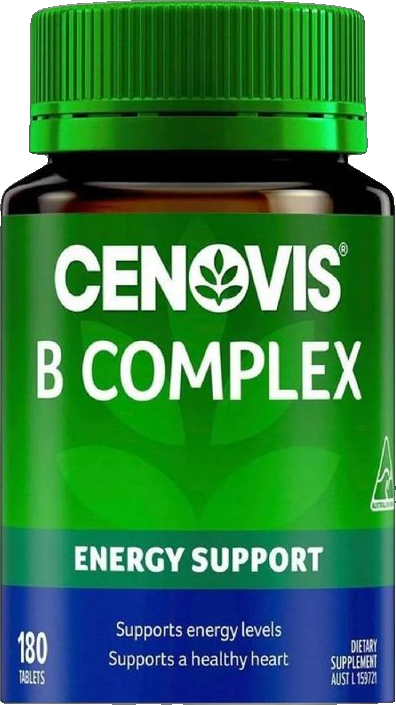
- 1at Woolworths · packs from $15.87$8.82/100 caps
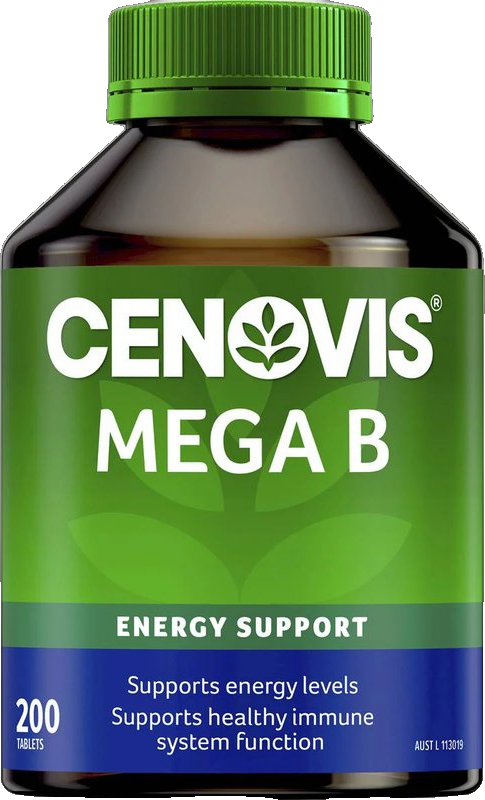
- 2at Woolworths · packs from $25.90$12.95/100 caps
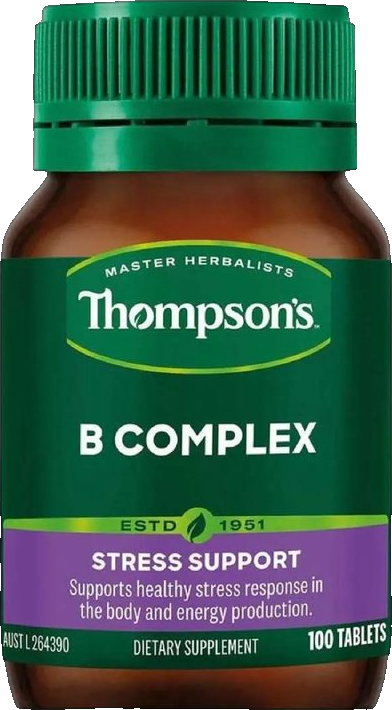
- 3at Woolworths · packs from $15.20$15.20/100 caps
116 listed complementary medicines are about to lose their spot on the open supermarket shelf. On 25 November 2025 the TGA Delegate confirmed that from 1 June 2027 any oral B6 product delivering more than 50mg per recommended daily dose moves to Schedule 3 (pharmacist-only), and anything above 200mg becomes Schedule 4 (prescription)[1]. The trigger was 250 adverse-event reports to the TGA Database of Adverse Event Notifications between January 2023 and October 2025, all peripheral-neuropathy-spectrum cases linked to B6. Our verdict up front: audit your stack today, keep total daily B6 under 50mg from all sources, and don't bother stockpiling 100mg tablets before the cap lands.
The 18-Month Clock
The TGA Delegate gave industry until 1 June 2027 to reformulate, relabel, manage stock and re-list affected SKUs on the ARTG[2]. After that date, a product above 50mg/day that isn't behind a pharmacy counter cannot be legally supplied in Australia. The scheme runs on one cut-off and three dose tiers.
≤50mg/day: General sale. Stays on supermarket and online shelves.
>50–200mg/day: Schedule 3, pharmacist-only consultation required.
>200mg/day: Schedule 4, prescription only.
This isn't a ban. Pharmacist-only products remain legal; they just need a face-to-face conversation. The reformulation pressure is real though, because most listed B6 SKUs currently sit in the 50–100mg band that's about to require a pharmacy channel.
Why the TGA Acted
The mechanism is sensory-neuron-specific. Pyridoxine (the unphosphorylated form on most labels) accumulates and inhibits pyridoxal kinase, which starves dorsal root ganglion neurons of active P5P (Vrolijk et al., 2017)[4]. Large-diameter sensory neurons with long axons get hit first. The clinical picture is stocking-glove paraesthesia, sensory ataxia, and burning pain in the extremities. Excess B6 paradoxically mimics B6 deficiency.
The old textbook threshold of 500mg/day is dead. The TGA's final decision notice states plainly that "peripheral neuropathy may occur in some individuals with vitamin B6 intake of 50mg/day or even lower" (TGA Delegate, Nov 2025)[2]. A 2023 Cureus case report documented progressive neuropathy in a 73-year-old taking only 6mg/day in a daily multivitamin over three years[6], well below the European Food Safety Authority's tolerable upper intake of 12mg/day (EFSA, 2023)[5].
Recovery, once symptoms appear, is slow and frequently incomplete. Published follow-up series put the range at 3 months to 3-plus years after cessation, with roughly 64% of patients showing slow progression, 26% stabilisation, and only about 10% meaningful regression of symptoms (Vrolijk et al., 2017)[4]. High-dose, long-duration exposure can leave permanent deficits.
Stacking Is the Real Problem
A single 50mg B6 tablet is rarely the culprit. What does the damage is a stack: a multivitamin with 25mg, a magnesium-B6 sleep formula with 50mg, and a pre-workout that drops another 20mg into the day. Cumulative daily dose breaches 50mg easily, and the front label of any single product never warns you about the total.
The product categories worth checking right now:
- Magnesium-B6 sleep and PMS formulas: These often sit in the 50–100mg RDD band. Common at Chemist Warehouse, Priceline and the major supplement retailers.
- B-complex and stress formulas: Standalone B6 tablets at 100mg are explicit reformulation candidates; "stress" multis often run 50mg+ B6.
- Effervescent multivitamins: Generally under 50mg B6, so most stay general sale, but check the label.
- Pre-workouts and energy formulas: Frequently include 10–20mg B6 per serve; multi-serve days breach the cap silently.
- "Ageing support" and women's health multis: Often combine moderate B6 with other actives, easy to miss.
What's Already on the Label
The TGA didn't wait for 2027 to act. The Permissible Ingredients Determination (No. 1) 2026 commenced 1 March 2026 and made the following warning mandatory on any product delivering more than 50mg B6/day: "Stop taking this medication if you experience tingling, burning or numbness and see your healthcare practitioner as soon as possible" (TGA, 2026)[3].
If you're holding a B6-containing product today and that warning isn't there, the label is non-compliant with the 2026 instrument and the manufacturer is exposed. The Schedule 3 reclassification in June 2027 is the next escalation layer, not the first.
Brands and the Class Action
Polaris Lawyers filed a class action against Blackmores in 2025 over alleged B6 toxicity, with lead plaintiff Dominic Noonan-O'Keeffe and approximately 900 responses to the public call-out (Pharmacy Daily, 2025). The action is on foot and we're not going to speculate on outcome.
What we can say factually: several Blackmores SKUs in the magnesium-B6 and B-complex ranges sit in the 50–100mg band that becomes pharmacist-only in June 2027, as do equivalent products from Nature's Own, Swisse and a long list of supermarket house brands. Reformulation, not litigation, is the lever the TGA is pulling.
P5P vs Pyridoxine HCl
Almost every documented toxicity case involves pyridoxine hydrochloride, the cheap unphosphorylated form on most Australian labels. P5P (pyridoxal-5-phosphate) is the active coenzyme form and bypasses the rate-limited PDXK step that drives the toxic mechanism. In controlled comparisons, P5P has not produced the same neuropathy signal.
Here's the catch. The TGA schedule treats pyridoxine, pyridoxal and pyridoxamine identically. Switching to a P5P product doesn't exempt you from the 50mg cap, and long-term P5P safety data is thinner than the pyridoxine data set that the TGA acted on. Don't treat P5P as a confirmed safe alternative. Treat it as plausibly lower-risk at equivalent doses, while staying under 50mg/day from all sources.
How Much B6 You Actually Need
The Australian RDI for adults is 1.3–1.7mg/day. EFSA's tolerable upper intake is 12mg/day, halved from 25mg in 2023 (EFSA, 2023)[5]. The US NIH still publishes a UL of 100mg/day (NIH ODS)[7], which now looks generous against EFSA and the new AU 50mg general-sale cap. Australia has landed between the two.
A varied diet covers the RDI without a supplement. Chickpeas, tuna, salmon, poultry, potatoes and bananas all carry useful B6, and there are no documented cases of food-source toxicity. Supplementation only earns its place if you have a confirmed deficiency, a malabsorption condition, or are on a medication (isoniazid, certain anti-seizure drugs) that depletes B6.
Symptoms to Recognise
The triad is paraesthesia (numbness or tingling, usually starting in the feet), sensory ataxia (unsteady gait, loss of proprioception, dropped objects), and burning pain in the hands or feet. Less common: muscle weakness, palpitations, cognitive fog. Onset can be months into a high-dose stack and progression can continue for years after stopping before stabilising (Vrolijk et al., 2017)[4].
If you have any of those symptoms and you're on a B-containing supplement, stop the supplement and see a GP. Don't titrate. Don't try a different brand. Get a serum B6 level done and audit every label in your stack.
The Verdict
Buy: any B-complex or multivitamin that delivers ≤50mg B6/day in total, ideally as P5P where the cost difference is reasonable. These stay general sale and won't disappear in June 2027.
Buy: standalone magnesium products without added B6 if sleep is your goal. The magnesium does most of the work; the 50mg of B6 in combo products is the risk vector.
Skip: any 100mg+ B6 standalone tablet bought for self-medication. The dose has no evidence-based justification for general wellbeing and the neuropathy risk is documented.
Skip: stacks where total daily B6 from multivitamin + magnesium combo + pre-workout exceeds 50mg. Add up the labels.
Reassess by June 2027: any product currently in the 50–200mg band. Either the manufacturer reformulates downward, the SKU moves behind a pharmacy counter, or it leaves the market. Stockpiling pre-restriction is a bad plan; the dose itself is the risk.
Frequently Asked Questions
What is changing for vitamin B6 in Australia, and when?
From 1 June 2027, any oral B6 product delivering more than 50mg per recommended daily dose moves to Schedule 3 (pharmacist-only), and anything above 200mg becomes Schedule 4 (prescription). Products at 50mg per day or below stay on general sale.
Why did the TGA restrict vitamin B6?
The TGA received 250 adverse-event reports to its Database of Adverse Event Notifications between January 2023 and October 2025, all peripheral-neuropathy-spectrum cases linked to B6. The Delegate confirmed the scheduling change on 25 November 2025.
How much vitamin B6 is actually safe per day?
Keep your total daily intake under 50mg from all sources combined. The old textbook threshold of 500mg per day is obsolete; the TGA's final decision notes that neuropathy may occur in some individuals at much lower intakes, with cases documented as low as 6mg per day.
Is this a ban on high-dose vitamin B6?
No. Pharmacist-only products remain legal and available; they simply require a face-to-face consultation. The practical pressure is on reformulation, because most listed B6 SKUs currently sit in the 50 to 100mg band that will need a pharmacy channel.
Should I stockpile 100mg B6 tablets before the change?
No. The dose itself is the risk the scheduling change is responding to. Stacking a multivitamin, a magnesium combination and a pre-workout can quietly push you past 50mg per day, so the useful action is to add up your labels now.
References
- TGA media release, 25 Nov 2025. Stronger safety controls to be introduced for products containing vitamin B6
- TGA Delegate, Nov 2025. Notice of final decision to amend the Poisons Standard, pyridoxine, pyridoxal, pyridoxamine
- TGA, 2026. Update to listed medicine ingredients, March 2026
- Vrolijk et al., 2017. Vitamin B-6-Induced Neuropathy, Exploring the Mechanisms of Pyridoxine Toxicity
- EFSA Panel on Nutrition, 2023. Scientific opinion on the tolerable upper intake level for vitamin B6
- Cureus case report, 2023. Vitamin B6 Toxicity Secondary to Daily Multivitamin Use
- NIH Office of Dietary Supplements. Vitamin B6, Health Professional Fact Sheet
- The Conversation, 2025. Vitamin B6 products are set to be restricted, here's what you need to know