 SUPPSAVER
Banned Pre-Workout Ingredients in Australia, DMAA, DMHA, Phenibut & More
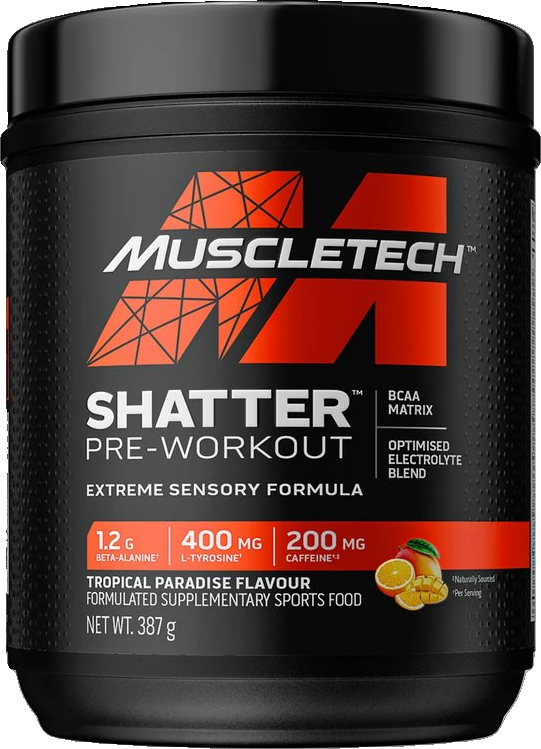
- 1at Supplement Warehouse · packs from $43.96$3.86/100g
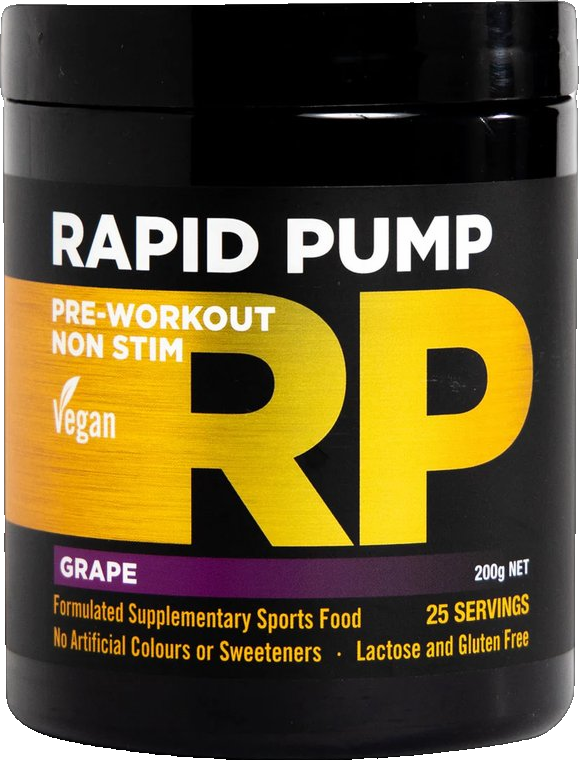
- 2at Supplement Mania · packs from $59.99$5.00/100g
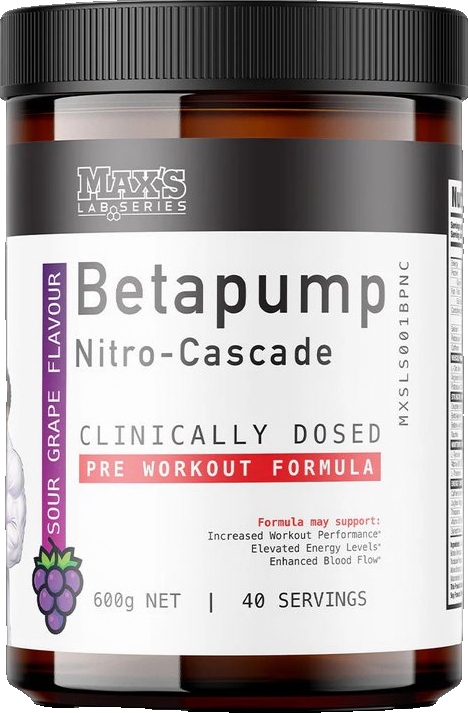
- 3at Supplement Mania · packs from $64.99$5.42/100g
Walk into an Australian supplement shop and almost every pre-workout on the shelf has been reformulated to comply with the Therapeutic Goods Administration ([2]). Step online and order from an overseas site, and suddenly you can find tubs containing DMAA, DMHA, phenibut and yohimbine, ingredients that are restricted, prescription-only or outright prohibited here. Importing these substances is not a regulatory grey area. It is a Customs offence with documented harms, and the TGA has been pursuing suppliers aggressively. Here's what each ingredient is, where it sits in the Poisons Standard, and how to read a label so you don't end up with a banned compound on your kitchen bench.
Why This Matters Right Now
In 2024, the Federal Court of Australia ordered Evolution Supplements Australia Pty Ltd to pay $11 million in penalties, with its director Cumhur Keskin ordered to pay a further $1 million[1]. The combined $12 million is the largest penalty ever imposed by the Federal Court for breaches of the Therapeutic Goods Act 1989. The court found Evolution had unlawfully advertised products containing DMAA, SARMs, Cardarine and other Schedule 10 and prescription-only substances, then tried to conceal the activity by appearing to comply with TGA notices while continuing to advertise after hours.
The court accepted evidence that DMAA and Cardarine in supplements "constitutes a serious risk to human health and safety" and that SARMs present "a serious risk to human health and safety, if not used within the TGA framework." Evolution is the biggest case, but it is not the only one, EmpireLabz Australia was fined $115,500 for similar conduct[6], and the TGA has seized hundreds of products from Sydney retailers in raids over the past few years.
The takeaway: this is not a quaint regulatory backwater. The TGA is active, the penalties are now eight-figure, and the products you might be tempted to buy from overseas sites are exactly what's being prosecuted.
DMAA, The Original Banned Stimulant
1,3-dimethylamylamine (DMAA), sometimes labelled as methylhexanamine, geranamine or geranium extract, is a potent amphetamine-derivative stimulant that dominated pre-workout formulas in the late 2000s and early 2010s. The TGA added DMAA to Appendix C of the Standard for the Uniform Scheduling of Medicines and Poisons in August 2012[3], which effectively prohibited its sale, supply and use across Australia. It now sits in Schedule 10 of the Poisons Standard, the category reserved for substances "of such danger to health as to warrant prohibition of sale, supply and use."
The TGA's stated safety concerns were high blood pressure, psychiatric disorders, cerebral haemorrhage and stroke. Internationally, DMAA was implicated in a series of deaths in the US military and civilian populations between 2008 and 2013, which triggered the FDA's own action against the ingredient.
Label names to recognise: 1,3-dimethylamylamine, 1,3-DMAA, methylhexanamine, methylhexaneamine, geranium oil, geranium extract, geranamine, Forthane, Forthan. The "geranium" labelling is a marketing dodge, DMAA is a synthetic compound, not a meaningful constituent of geranium plants.
DMHA / Octodrine
When DMAA was banned, the supplement industry pivoted to closely related stimulants. The most prominent successor is DMHA, also known as 2-aminoisoheptane, octodrine, 1,5-dimethylhexylamine or 2-amino-6-methylheptane. In October 2017, the TGA closed that loophole by adding entries to Schedule 10 covering "DMBA and other aliphatic alkylamines with stimulant properties including DMHA"[4]. That single entry sweeps in DMHA, octodrine, 1-aminoisoheptane, 1,5-dimethylhexylamine, 4-amino-2-methylpentane citrate (AMP citrate) and related analogues.
The TGA's scheduling decision cited cardiac, nervous-system and psychiatric adverse effects similar to DMAA. The FDA in the US has classified products containing DMHA as adulterated, and the World Anti-Doping Agency lists octodrine as a prohibited stimulant.
Label names to recognise: DMHA, 2-aminoisoheptane, octodrine, 1,5-dimethylhexylamine, 2-amino-6-methylheptane, Aconitum kusnezoffii (a botanical alias sometimes used to hide synthetic DMHA), juglans regia extract (walnut bark extract, another disguise).
Phenibut, Schedule 9 in Australia
Phenibut (beta-phenyl-gamma-aminobutyric acid) is a GABA-B receptor agonist developed in the Soviet Union in the 1960s as an anxiolytic. It is not, and never has been, an approved medicine in Australia. In 2018 it was placed into Schedule 9 of the Poisons Standard, the prohibited substances category typically reserved for drugs of abuse such as LSD and heroin analogues. The scheduling rationale, recorded in TGA public submissions[5], was that phenibut has "no defined therapeutic need or role" in Australia, has been marketed largely as a recreational drug, and was producing an increasing number of acute toxicity cases through Australian Poisons Information Centres.
Phenibut appears in some imported pre-workouts and "nootropic" or "mood" pre-workouts marketed for calm, focus or euphoria. The clinical concern is well established: chronic use produces tolerance and physical dependence, and abrupt discontinuation can trigger a withdrawal syndrome resembling benzodiazepine withdrawal, with documented Australian hospital admissions for coma and intensive-care management.
Label names to recognise: phenibut, beta-phenyl-GABA, 4-amino-3-phenylbutyric acid, fenibut, phenybut, Anvifen, Noofen, Citrocard.
Yohimbine, Schedule 4 (Prescription Only)
Yohimbine is an alpha-2 adrenergic antagonist that's been studied for erectile dysfunction and fat loss. In Australia it is classified as a Schedule 4 prescription-only substance, and it is not approved for supply in any registered medicine in this country. It is also a prohibited import under Customs legislation without an appropriate permit. Translation: you cannot legally buy yohimbine over the counter, and you cannot legally have it shipped to you from overseas as a consumer.
Pre-workout labels sometimes try to thread the needle by listing "yohimbe bark extract" or "Pausinystalia yohimbe" rather than yohimbine itself. The TGA's position, and the underlying analytical reality, is that yohimbe bark extracts contain yohimbine as their primary active. A botanical name does not change the regulatory status of the compound inside. The TGA's sport-supplement import guidance[2] explicitly treats yohimbine and yohimbe bark extract as prescription-only.
Label names to recognise: yohimbine, yohimbine HCl, alpha-yohimbine, rauwolscine, yohimbe bark extract, Pausinystalia yohimbe, Corynanthe yohimbe.
Other Replacement Stimulants to Watch
Whenever a stimulant is scheduled, the industry probes for the next-closest analogue. A few worth knowing about:
- Higenamine (norcoclaurine): A plant-derived beta-agonist. The TGA prohibited its use in supplements from December 2020, and WADA has listed it as a prohibited beta-2 agonist since 2017. Cardiovascular effects are the main concern.
- 1,3-DMBA (AMP citrate / 4-amino-2-methylpentane citrate): Captured by the October 2017 Schedule 10 entry that bans "DMBA and other aliphatic alkylamines with stimulant properties." Sometimes labelled as 4-amino-2-pentanamine.
- 1,4-DMAA (1,4-dimethylamylamine): A positional isomer of DMAA. Same alkylamine family, same Schedule 10 capture, same TGA position, prohibited.
- Synephrine (Citrus aurantium / bitter orange): Synephrine itself is not currently on the Schedule 10 alkylamine list and appears in some Australian-listed products. It is still on WADA's monitoring list, and combining it with other beta-agonists (higenamine, ephedrine, large caffeine doses) compounds cardiovascular risk. Treat as caution-worthy rather than banned outright.
How to Check a Label
There's no need to memorise the entire Poisons Standard. A four-step workflow handles almost every case.
- Step 1, Look for an AUST L number. Listed sport supplements carry an "AUST L" identifier on the label, meaning the product has been notified to the TGA against the permitted-ingredient list. No AUST L number on a product marketed as a supplement in Australia is a red flag.
- Step 2, Read the full ingredient panel, not the front-of-pack hero list. Banned compounds usually hide in the proprietary "energy matrix" or "focus blend." If the panel doesn't list every active and its dose, treat the product with suspicion.
- Step 3, Cross-check unfamiliar names against the Poisons Standard. The current Poisons Standard is published on the Federal Register of Legislation. A quick search for the ingredient name (and its common aliases) tells you whether it's scheduled. The TGA's "Importing or supplying sport supplements" guidance also lists the categories most likely to contain prohibited compounds.
- Step 4, Be sceptical of botanical aliases. Geranium extract, walnut bark, Aconitum kusnezoffii and Pausinystalia yohimbe are the most common cover names for DMAA, DMHA and yohimbine respectively.
What HASTA and Informed Sport Certifications Mean
If you compete in a tested sport, or simply want strong assurance that a product matches its label, third-party batch testing is the meaningful signal. Two programs matter in Australia.
HASTA (Human and Supplement Testing Australia): Australia's only domestic supplement-certification laboratory, developed in partnership with Sport Integrity Australia[7]. HASTA screens for the substances on the WADA prohibited list. Certification is more than a one-off test: it requires a formulation review, a verification of the manufacturer's quality and GMP systems, and ongoing batch testing of every production run.
Informed Sport: The international equivalent, operated by LGC. Tests each batch against a comparable list of WADA-prohibited compounds, with site audits and surprise blind-market checks pulled from retail shelves. Several Australian brands now hold both certifications.
Neither program tells you a product is "healthy" or "well-dosed." What they do tell you is that an independent lab has verified the batch contains no banned substances, intentionally added or contaminated. That's a useful narrowing, especially for any athlete subject to anti-doping testing.
The Verdict
If you want a pre-workout in Australia, buy a product manufactured for the Australian market from an Australian retailer. Look for an AUST L number on the label, read the full ingredient panel, and treat proprietary blends without dose disclosure as a warning sign. If you compete in tested sport or simply want stronger assurance, prefer products carrying HASTA or Informed Sport certification, both involve batch-level testing rather than one-off marketing claims.
Do not order pre-workouts from overseas retailers on the assumption that "if it ships, it must be legal." The Evolution Supplements judgment makes the regulator's position obvious: DMAA, DMHA, phenibut and yohimbine are prohibited or prescription-only, and the penalties for supplying them now reach into eight figures. Stick to compliant, well-formulated AU products and you'll get the same caffeine, citrulline and beta-alanine effects without the legal or health exposure.
Frequently Asked Questions
Is DMAA legal in pre-workout supplements in Australia?
No. DMAA (1,3-dimethylamylamine) has been prohibited in Australia since August 2012, when the TGA added it to Appendix C of the Poisons Standard. It now sits in Schedule 10, reserved for substances 'of such danger to health as to warrant prohibition of sale, supply and use.' Watch for aliases like methylhexanamine, geranamine and 'geranium extract' on imported labels.
Is DMHA banned in Australia?
Yes. In October 2017 the TGA added DMHA and related aliphatic alkylamines to Schedule 10 of the Poisons Standard, the same category as DMAA. DMHA also appears under the names octodrine, 2-aminoisoheptane and 1,5-dimethylhexylamine, and sometimes hides behind botanical aliases like 'Aconitum kusnezoffii' or 'walnut bark extract' on imported pre-workout labels.
Is phenibut legal to buy in Australia?
No. Phenibut was placed into Schedule 9 of the Poisons Standard in 2018, the prohibited-substances category that also covers LSD analogues. The TGA cited a lack of therapeutic need, recreational marketing, and rising acute toxicity cases through Australian Poisons Information Centres. It still appears in some imported "nootropic" or "mood" pre-workouts.
Can I legally import yohimbine from overseas?
No. Yohimbine is a Schedule 4 prescription-only substance in Australia and a prohibited import under Customs legislation without a permit. That restriction also covers 'yohimbe bark extract' and 'Pausinystalia yohimbe' on labels, since the TGA treats those botanical extracts as containing yohimbine as their primary active ingredient regardless of the name used.
How do I check if a pre-workout ingredient is banned in Australia?
Look for an AUST L number on the label first — its absence on a product marketed as a supplement is a red flag. Read the full ingredient panel rather than the front-of-pack claims, since banned compounds hide in 'proprietary blends.' Cross-check unfamiliar names against the Poisons Standard, and be sceptical of botanical aliases used to disguise synthetic stimulants.
What do HASTA and Informed Sport certifications actually guarantee?
They guarantee that an independent lab has verified a product's batch contains no banned substances, whether intentionally added or contaminated — screened against the WADA prohibited list. They don't mean a product is 'healthy' or well-dosed, just that it's clean. HASTA is Australia's domestic program; Informed Sport is the international equivalent operated by LGC.
References
- Therapeutic Goods Administration, 2024. Evolution Supplements Australia and its Director penalised total of $12 million for advertising illegal sports supplements
- Therapeutic Goods Administration. Importing or supplying sport supplements, TGA guidance
- NutraIngredients, 2012. Australian medicines agency adds DMAA to poisons list
- TGA Scheduling Delegate, June 2017. Final decisions and reasons for decisions by delegates of the Secretary, Schedule 10 entry for DMBA and other aliphatic alkylamines including DMHA
- Therapeutic Goods Administration, 2017. Joint ACMS/ACCS public submissions, phenibut scheduling rationale
- Therapeutic Goods Administration. EmpireLabz Australia Pty Ltd fined $115,500 for alleged unlawful advertising and supply of sport supplements
- Human and Supplement Testing Australia. HASTA, Australia's WADA-prohibited substance supplement certification program