 SUPPSAVER
Pre-Workout Ingredients Explained: What to Look For
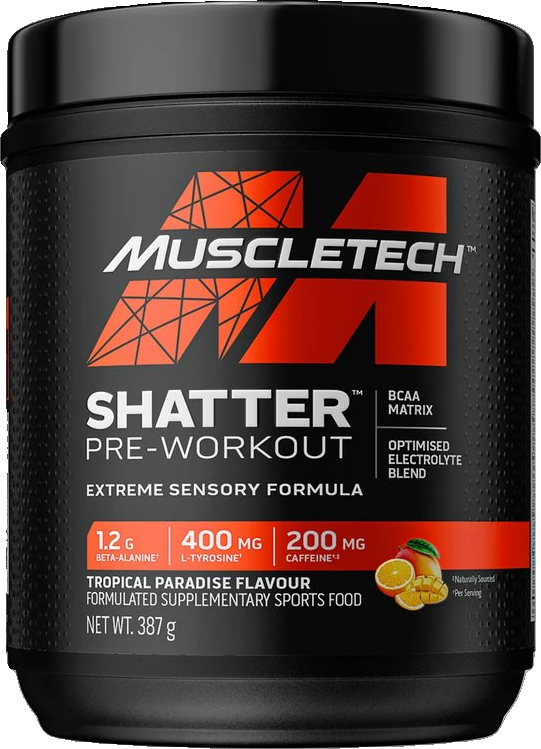
- 1at Supplement Warehouse · packs from $43.96$3.86/100g
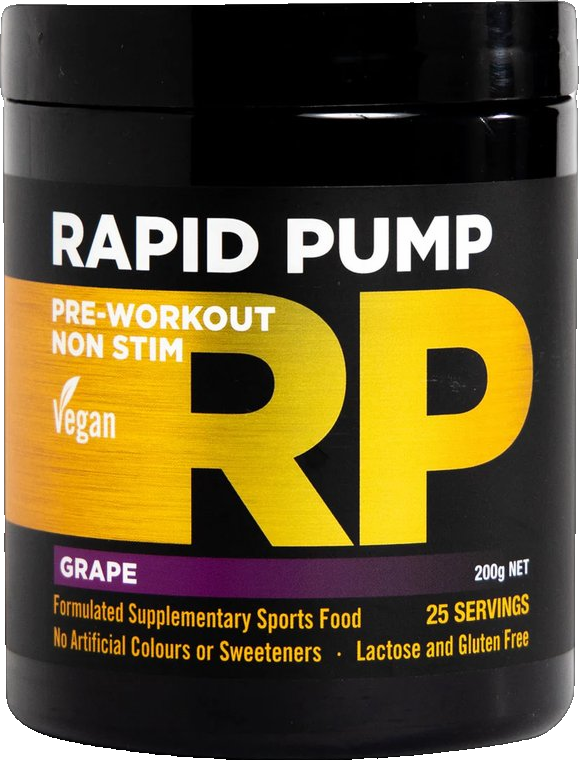
- 2at Supplement Mania · packs from $59.99$5.00/100g
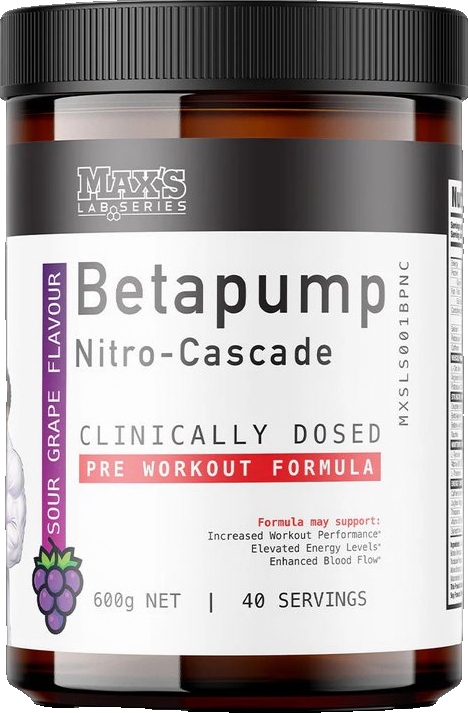
- 3at Supplement Mania · packs from $64.99$5.42/100g
Look for per-ingredient doses listed individually, not proprietary blends. Effective thresholds: caffeine 150–300mg, L-citrulline 6g+ (or citrulline malate 8g+), beta-alanine 3.2g+, and creatine 3–5g if included. A properly formulated serve weighs 15–25g; anything lighter with a long ingredient list is underdosed marketing, not functional formulation.
Roughly half the pre-workouts we audit are mostly caffeine, flavouring, and a sprinkle of sub-clinical extras dressed up to look bigger on the label. We've spent enough time comparing serve sizes against ingredient counts to call it: a 25g serve with five named actives almost always beats an 8g serve with twelve. The doses below are what the published literature says actually moves the needle, and what we look for before recommending a tub to anyone.
The Core Ingredients That Actually Work
Caffeine (150–300mg per serve)
Caffeine is the reason most people buy pre-workout. It cuts perceived effort, delays fatigue, and acutely lifts both strength and endurance output. The ISSN position stand (Guest et al., 2021)[1] pegs the ergogenic window at 3–6mg per kg bodyweight, which lands between 150mg and 300mg for most adults. That's the range we want on the label, clearly stated, not buried in a blend.
Watch the form. "Caffeine anhydrous" is the standard fast-acting source. "Di-caffeine malate" gets blended in to soften the absorption curve, which trims the early spike and the later crash. Plenty of products list both, which is fine, though the total caffeine number is still what matters.
If you're caffeine sensitive or you lift after work, a stim-free formula is the better call. Same non-stimulant scaffolding, none of the 9pm wakefulness.
L-Citrulline (6–8g per serve)
The pump people associate with a working set traces back to citrulline. It converts to arginine, lifts nitric oxide, and dilates blood vessels mid-set. Pérez-Guisado & Jakeman (2010)[3] also showed citrulline malate at 8g cut soreness 24 and 48 hours post-session, which is the secondary benefit worth caring about. The effective dose is 6–8g of L-citrulline, or 8–10g of citrulline malate (which is roughly half malic acid by mass).
Our verdict: budget pre-workouts routinely list 1–2g of citrulline and call it an active. That's not an active, that's a label garnish. If you don't see a 6g+ number, assume it's not doing anything.
Beta-Alanine (3.2–6.4g per serve)
The tingling buzz across your scalp two minutes into your scoop comes from beta-alanine. It raises intramuscular carnosine, which buffers hydrogen ions during high-intensity work. The ISSN position stand (Trexler et al., 2015)[2] puts the daily effective range at 3.2–6.4g, with the strongest effect on efforts between one and four minutes (sets of 10 to 20 reps, intervals, finishers, that bracket). Note it's a saturation effect, so the benefit is from chronic daily intake, not the single serve before the session.
The tingling (paraesthesia) is harmless and it fades once your nervous system gets used to the dose. Splitting the daily total across two smaller serves blunts the buzz if you find it distracting.
Creatine (3–5g per serve)
Some pre-workouts include creatine monohydrate, and when they do, the dose is everything. Kreider et al. (2017)[4] confirms 3–5g daily as the maintenance range that keeps muscle stores saturated. Plenty of products carry 1g or 2g and tick the marketing box without the physiology. If your pre-workout hits 3g or more, you can skip the standalone scoop. If it doesn't, treat that line on the label as decoration and dose creatine separately.
Secondary Ingredients Worth Having
Betaine Anhydrous (2.5g)
Betaine (trimethylglycine) has accumulated reasonable evidence for power output and muscle endurance. Wax et al. (2018)[5] ran the meta-analysis and landed on 2.5g daily as the dose that shows up across the trials. It's not caffeine-tier in effect size, but it's cheap and it's increasingly standard in premium formulas. We'll take it when it's properly dosed.
L-Tyrosine (500–2,000mg)
Late-shift training is where tyrosine earns its slot. It's a precursor to dopamine and noradrenaline, and the clearest effect shows up under cognitive stress, sleep debt, or the back end of a long shift. Stacked with caffeine, the subjective focus boost is the reason it earns the slot. Useful, not transformative.
Alpha-GPC or Choline Bitartrate
Both feed acetylcholine production, which is the focus and mind-muscle connection lever. Alpha-GPC is the better-absorbed form and the one we'd rather see on the label. These earn their place mostly in stim-free products, where they pick up some of the focus slack caffeine usually carries.
Ingredients to Be Sceptical Of
Proprietary blends: a 4g blend with fifteen names in it cannot, mathematically, deliver an effective dose of anything except maybe the first listed ingredient. Transparently labelled per-ingredient milligrams are the green flag we want.
Exotic extracts at tiny doses: ashwagandha, lion's mane, rhodiola and the adaptogen family can produce real effects, but the trials run at 300–600mg. Most pre-workouts that name-drop them deliver 50mg to 100mg, which is label appeal dressed as pharmacology.
BCAAs in pre-workout are the last category worth calling out. They're redundant if your daily protein intake is anywhere near adequate, and they add cost and serve weight without contributing to performance. Skip them as a line item and let your post-workout shake do the work.
What to Look for on the Label
A pre-workout that's actually formulated, not just marketed, usually shows:
- Each ingredient dose listed individually (no proprietary blends)
- Citrulline at 6g+ or citrulline malate at 8g+
- Beta-alanine at 3.2g+
- Caffeine dose clearly stated (if stimulant)
- A serve size that fits the ingredient totals (typically 15–25g)
If the serve weighs 8g and the label lists ten "active" ingredients, the maths tells you most are present in homeopathic amounts. Our verdict on that pattern is consistent: skip it. Use SuppSaver's product pages to compare per-100g ingredient density across brands instead of trusting the front of the tub.
Our Verdict
For most lifters, we'd reach for a tub that lists caffeine at 150–300mg, L-citrulline at 6g+, and beta-alanine at 3.2g+. That's the floor. Anything below it is paying for flavouring and a shaker.
If you train evenings or you're stim-sensitive, the stim-free version of the same formula, plus alpha-GPC for the focus lift, is the call we'd make. You keep the pump and the buffering without the 11pm stare-at-the-ceiling tax.
If the front of the tub is mostly buzzwords and the back lists a 4g "explosive matrix", walk past it. Our tracking shows the per-serve cost of a properly formulated 25g scoop usually lands within 20 cents of the underdosed alternatives anyway. The price gap doesn't justify the formulation gap.
Frequently Asked Questions
What ingredients should you look for in a pre-workout?
Look for caffeine at 150–300mg, L-citrulline at 6g+ (or citrulline malate at 8g+), and beta-alanine at 3.2g+, each listed as an individual dose rather than buried in a proprietary blend. If creatine is included, it should be 3–5g to matter. A serve that fits these doses typically weighs 15–25g.
How much caffeine should be in a pre-workout?
The ISSN position stand pegs the effective range at 3–6mg of caffeine per kg of bodyweight, which lands between 150mg and 300mg for most adults. That dose should be clearly stated on the label, not buried in a blend. Caffeine anhydrous is the standard fast-acting source; di-caffeine malate softens the absorption curve.
What's an effective dose of citrulline in pre-workout?
The effective dose is 6–8g of pure L-citrulline, or 8–10g of citrulline malate (roughly half malic acid by mass). Research found citrulline malate at 8g also cut soreness at 24 and 48 hours post-session. Many budget pre-workouts list just 1–2g and call it an active — that's a label garnish, not a working dose.
Are proprietary blends bad in pre-workout supplements?
Yes, generally. A 4g proprietary blend listing fifteen ingredient names cannot mathematically deliver an effective dose of more than maybe the first ingredient listed. Transparently labelled per-ingredient milligrams are what you want instead — they let you check each active against its published effective dose rather than trusting a vague total.
Are BCAAs worth having in pre-workout?
Not really. BCAAs in pre-workout are redundant if your daily protein intake is already adequate, and they add cost and serve weight without contributing to performance. It's a line item worth skipping — let a post-workout protein shake handle amino acid needs instead of paying for them twice in the same day.
References
- Guest et al., 2021. International society of sports nutrition position stand: caffeine and exercise performance
- Trexler et al., 2015. International society of sports nutrition position stand: Beta-Alanine
- Pérez-Guisado & Jakeman, 2010. Citrulline malate enhances athletic anaerobic performance and relieves muscle soreness
- Kreider et al., 2017. International Society of Sports Nutrition position stand: safety and efficacy of creatine supplementation
- Wax et al., 2018. Effects of supplemental betaine on performance: a meta-analysis