 SUPPSAVER
Stimulant vs Stim-Free Pre-Workout: Which Is Right for You?
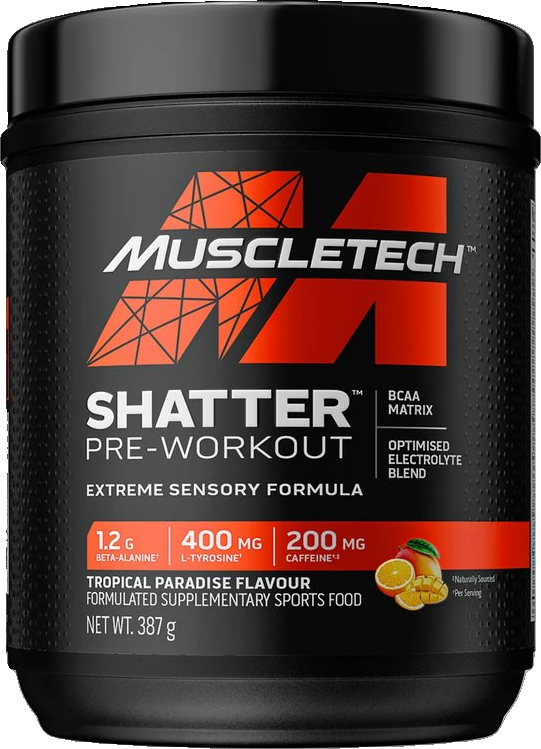
- 1at Supplement Warehouse · packs from $43.96$3.86/100g
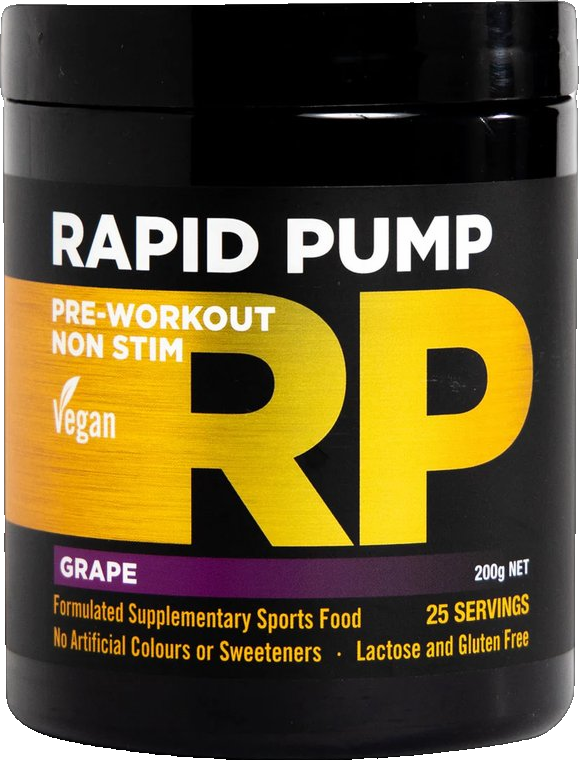
- 2at Supplement Mania · packs from $59.99$5.00/100g
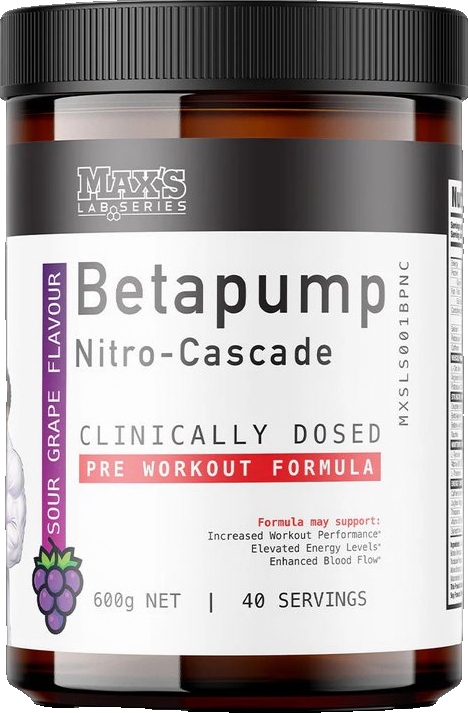
- 3at Supplement Mania · packs from $64.99$5.42/100g
200 to 300mg of caffeine per scoop. That's where most Australian pre-workouts sit, the equivalent of two to three strong coffees in a single 20g dose. We think it's the right call for a 6am session and the wrong call for a 6pm one. The split between stimulant and stim-free formulas isn't a marketing gimmick. It's a sleep-and-tolerance trade-off with real numbers attached, and getting it wrong costs you recovery, sensitivity, and (at $40 to $60 AUD a tub) money. Our verdict up front: stim before 4pm, stim-free after, and cycle off every six to eight weeks if you train daily.
What's Actually in a Stimulant Pre-Workout?
Stimulant pre-workouts are built around caffeine anhydrous. Doses sit between 150 and 400mg per serve, with most mainstream Australian products landing at 200 to 300mg. A standard cup of coffee delivers roughly 80 to 100mg, so a 300mg scoop is three strong coffees in one hit.
The secondary stimulant stack varies. Synephrine (from bitter orange) is a mild adrenergic agent that amplifies caffeine's cardiovascular effects. TeaCrine (theacrine) gives a longer energy curve without the same tolerance development as caffeine. Some products add huperzine A for focus, or DMHA in less regulated markets. We'd skip DMHA. The safety data is thin and the TGA has acted against it in Australia.
Most stimulant formulas also carry the same pump and endurance ingredients you'll find in a stim-free product: citrulline, beta-alanine, betaine, sometimes creatine. The stimulants sit on top of that base, not in place of it.
What's in a Stim-Free Pre-Workout?
A stim-free formula strips out caffeine and CNS stimulants, then usually bumps the pump and endurance doses higher. The core stack:
L-Citrulline (or Citrulline Malate): The primary pump ingredient. Citrulline converts to arginine in the kidneys and drives nitric oxide synthesis, dilating blood vessels and increasing blood flow to working muscle. Effective dose: 6g of pure citrulline, or 8 to 12g of citrulline malate at a 2:1 ratio (Pérez-Guisado & Jakeman, 2010)[3].
Beta-Alanine: Raises muscle carnosine, which buffers acid build-up during high-intensity work. Effective dose: 3.2g daily (Trexler et al., 2015)[2]. The tingling (paraesthesia) is harmless and not a marker of strength.
Betaine Anhydrous: A beet-derived osmolyte linked to small power-output gains. Effective dose: 2.5g.
Creatine Monohydrate: Some stim-free formulas include creatine, often at a meaningless 1 to 2g per serve. Daily dosing matters more than timing (Kreider et al., 2017)[4], so we'd rather see 5g micronised creatine taken separately than a token amount mixed in.
Glycerol (Hydromax): An osmolyte that pulls fluid into the muscle and improves endurance in heat. Effective dose: 2 to 3g of standardised Hydromax (65% glycerol).
The Case for Stimulant Pre-Workout
Caffeine is the most evidence-backed performance supplement on the market, second only to creatine for sheer volume of research. The ISSN position stand pegs the effective dose at 3 to 6mg per kg of bodyweight, which reliably improves endurance by 2 to 4%, lifts maximal strength by around 5%, and lowers perceived exertion at the same workload (Guest et al., 2021)[1]. For a 70kg lifter that's 210 to 420mg, which is exactly where mainstream Australian pre-workouts sit.
The cost case is strong too. Stimulant pre-workouts in Australia run roughly $1.50 to $3.00 per serve and deliver caffeine plus the full pump and endurance stack. For a 6am or noon session, we don't see a reason to pay the same money for a stim-free product. You'd be removing the cheapest, most-studied ingredient in the formula.
There's also a motivational effect that doesn't show up in RCTs. Caffeine lowers the psychological cost of starting a hard session, which matters on the days you'd otherwise skip. That's worth something, even if the journal data won't quantify it.
The Case for Stim-Free Pre-Workout
Stim-free has a clear use case, and most regular lifters hit at least one of these scenarios:
Afternoon and evening training. Caffeine's half-life is roughly five hours. A 200mg dose at 5pm means 100mg still circulating at 10pm. For caffeine-sensitive sleepers, that's enough to push sleep onset out by 30 to 60 minutes and reduce slow-wave sleep. Lose the sleep and you lose the recovery, the next-day session, and the hormonal upside you trained for. We think anyone training after 4pm should default to stim-free.
High caffeine sensitivity. Sensitivity varies wildly between individuals, driven partly by CYP1A2 enzyme variants (the slow-metaboliser allele is common) and adenosine receptor density. Some people get heart palpitations or GI distress at 200mg that wouldn't move a fast metaboliser. If that's you, a properly dosed stim-free product beats half-scooping a stimulant one.
Already high daily caffeine intake. If you're drinking three or more coffees a day, adding 300mg pre-workout pushes you into 600mg-plus daily territory, which is where Guest et al. (2021)[1] flag rising cardiovascular concerns in otherwise healthy adults. The marginal performance gain from extra caffeine on a tolerant nervous system is minimal anyway.
Avoiding tolerance. Daily high-dose caffeine builds meaningful tolerance inside two to four weeks. Cycling between stimulant and stim-free formulas (or reserving the stim version for your two hardest sessions a week) keeps the response curve steep.
The Tolerance Trap
Daily stimulant pre-workout almost always ends in caffeine tolerance. After two to four weeks of constant adenosine blockade, adenosine receptors upregulate, and the same dose stops feeling the same. Week one's 200mg buzz becomes week five's barely-anything.
The pattern is predictable. Scoop sizes creep up. People switch from 200mg formulas to 350mg ones, then start "double-scooping." Many experienced lifters end up needing 400mg-plus just to feel baseline, and crash hard on rest days. That's not enhancement. That's dependence.
The fix is unglamorous: a one to two week caffeine break every six to eight weeks. Days three to five are rough (headaches, fatigue, dulled sessions), then sensitivity restores. A stim-free pre-workout during these resets keeps training quality up without re-priming the adenosine system.
The Split Approach
For lifters who train at variable times, we recommend running both. Stimulant pre-workout for morning and early afternoon sessions. Stim-free or a basic pump formula for anything after 4pm. You preserve sleep on late days and still capture the caffeine benefit when the timing actually allows it.
In Australia, stim-free options from brands like EHP Labs and Faction Labs sit in the $40 to $60 AUD range for 30 serves. Budget DIY versions (bulk citrulline plus beta-alanine, mixed at home) cut the cost-per-serve to under $1 if you don't mind weighing powder. Honest verdict: the brand-name stim-free tubs are convenient, not magical. If you're price-sensitive, the DIY route is genuinely fine.
Reading the Label: Dose Matters
Stim or stim-free, underdosed formulas are everywhere in the Australian market. Brands list a strong-looking ingredient panel at amounts that wouldn't move a single research outcome. The trade calls it "fairy dusting." The thresholds to check:
Citrulline: 6g pure or 8g malate minimum. Beta-alanine: 3.2g. Betaine: 2.5g. Caffeine (if stimulant): 150mg floor, 200mg for a properly labelled effect. If the panel lists all four and the total scoop weighs 10 to 12g, the maths can't work. Several ingredients are below threshold by definition. A properly dosed serve weighs 15 to 25g. Anything lighter than that is either skipping doses or skipping ingredients.
The Verdict
Default to stimulant if you train before 4pm and you tolerate 200–300mg caffeine without disrupted sleep or palpitations. It's the cheapest pump-plus-energy bundle on the shelf, and the caffeine evidence (Guest et al., 2021)[1] is the strongest of any pre-workout ingredient.
Default to stim-free if you train after 4pm, if you're already drinking three-plus coffees a day, if you're a CYP1A2 slow metaboliser who feels wired on a single espresso, or if you're cycling off a tolerance build-up. The pump and endurance ingredients still work without the caffeine.
Run both if your training time varies. One tub of each costs roughly $80 to $120 AUD combined and lets you match the formula to the clock. We'd rather see that split than a daily 300mg stimulant scoop that erodes sensitivity inside a month.
Skip the underdosed fairy-dust tubs entirely. Scoop weight under 15g with a four- or five-ingredient panel is a label-design exercise, not a formulation. Buy by gram-per-ingredient, not by colour scheme.
- Caffeine dose per serve cross-checked against the ISSN 3–6mg/kg effective range, with 200–300mg flagged as the AU mainstream band.
- Stim profile assessed for the full adrenergic stack (caffeine anhydrous, synephrine, TeaCrine, huperzine A) and DMHA flagged where present given TGA action.
- Ingredient transparency scored on whether citrulline, beta-alanine, betaine, and caffeine each meet trial-grade thresholds (6g / 3.2g / 2.5g / 150mg).
- AU retailer breadth measured via SuppSaver scraper coverage across 14 Australian stores including EHP Labs and Faction Labs direct.
- Banned-substance check against the TGA prohibited list, with DMHA and high-dose synephrine treated as automatic disqualifications.
Frequently Asked Questions
Should you take stimulant or stim-free pre-workout?
Default to stimulant if you train before 4pm and tolerate 200–300mg of caffeine without disrupted sleep. Default to stim-free if you train later, already drink three-plus coffees daily, are a slow caffeine metaboliser, or are cycling off tolerance. If your training time varies, running one tub of each lets you match the formula to the clock.
How late in the day can you take a stimulant pre-workout without ruining your sleep?
Caffeine's half-life is roughly five hours, so a 200mg dose at 5pm still leaves about 100mg circulating at 10pm, enough to push sleep onset out by 30–60 minutes and cut slow-wave sleep for sensitive sleepers. Anyone training after 4pm should generally default to a stim-free formula to protect recovery.
What's the effective caffeine dose in a pre-workout?
The ISSN position stand pegs the effective dose at 3–6mg of caffeine per kg of bodyweight, which improves endurance by 2–4%, lifts maximal strength by around 5%, and lowers perceived exertion. For a 70kg lifter that's 210–420mg, which is close to where mainstream Australian pre-workouts, at 200–300mg, already sit.
How do you avoid building a tolerance to pre-workout stimulants?
Daily stimulant use for two to four weeks causes adenosine receptors to upregulate, so the same caffeine dose stops feeling as strong. The fix is a one to two week caffeine break every six to eight weeks — expect a rough three to five days of headaches and fatigue before sensitivity restores, using a stim-free formula during the reset.
What doses should you check for on a pre-workout label?
Check citrulline at 6g pure or 8g malate minimum, beta-alanine at 3.2g, betaine at 2.5g, and caffeine (if stimulant) at a 150mg floor, 200mg for a properly labelled effect. If a label lists all four in a 10–12g scoop, the maths can't work — a properly dosed serve weighs 15–25g.
References
- Guest et al., 2021. International society of sports nutrition position stand: caffeine and exercise performance
- Trexler et al., 2015. International society of sports nutrition position stand: Beta-Alanine
- Pérez-Guisado & Jakeman, 2010. Citrulline malate enhances athletic anaerobic performance and relieves muscle soreness
- Kreider et al., 2017. International Society of Sports Nutrition position stand: safety and efficacy of creatine supplementation