 SUPPSAVER
Pre-Workout Timing: When to Take It for Best Results
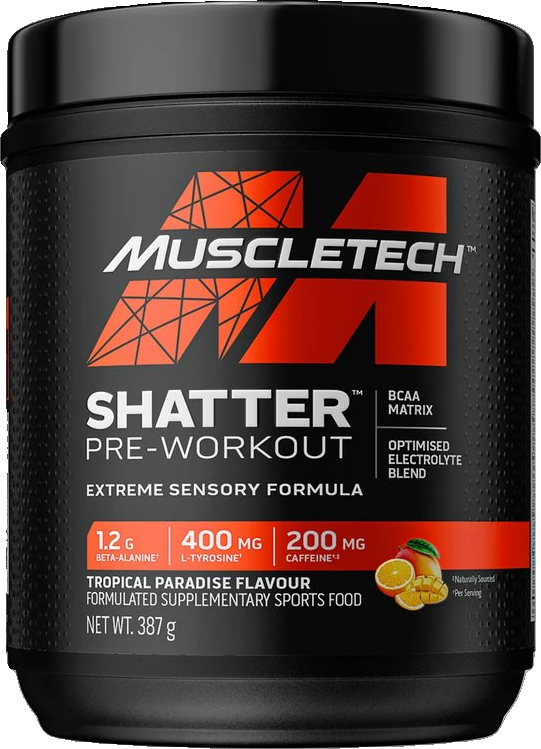
- 1at Supplement Warehouse · packs from $43.96$3.86/100g
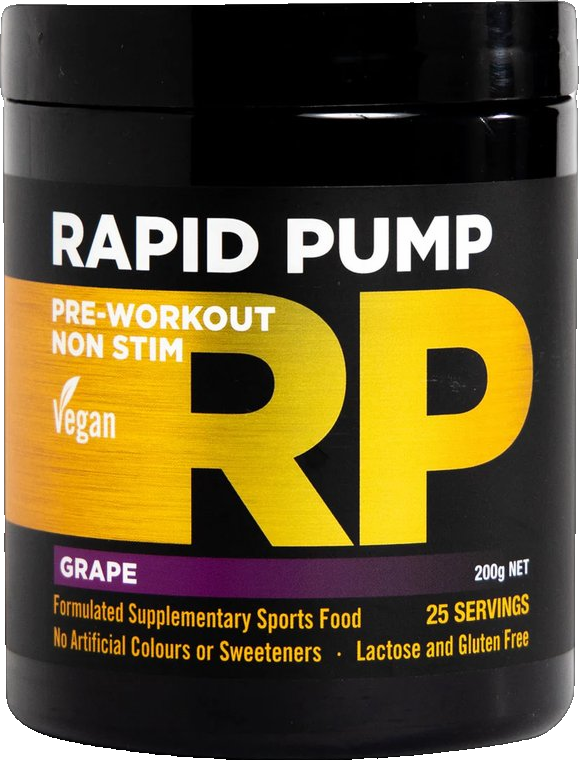
- 2at Supplement Mania · packs from $59.99$5.00/100g
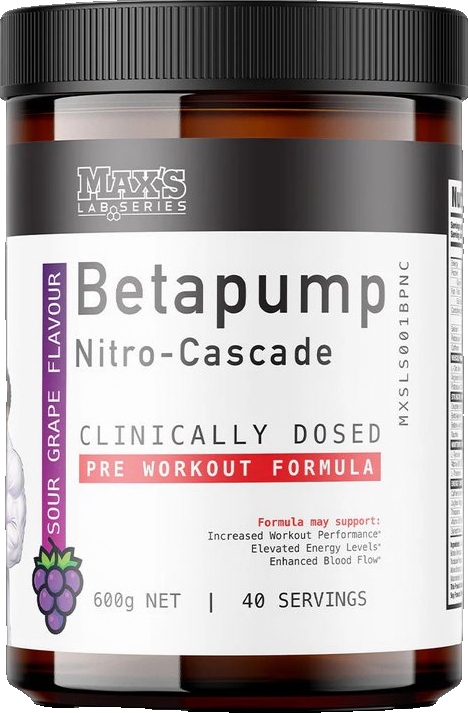
- 3at Supplement Mania · packs from $64.99$5.42/100g
Caffeine peaks at 45 minutes. Citrulline needs 60 to 90. Beta-alanine doesn't care when you take it. That mismatch is why most pre-workout users feel half a dose, not a full one. We've sorted what actually matters by the clock, ingredient by ingredient, so you can stop guessing and time the product to the work.
Caffeine: The 30–60 Minute Window
Caffeine is the anchor. Plasma levels climb steeply inside 15–30 minutes of a dose and hit peak concentration between 30 and 60 minutes post-ingestion (Guest et al., 2021)[1]. That's the window where focus sharpens, perceived exertion drops, and neuromuscular drive sits at its highest.
Translation: if you want the peak to land on your first working set, dose 30 to 45 minutes before training. Slamming it as you walk into the gym means the first 20–30 minutes of your session run on sub-peak levels. We see this constantly with morning lifters who'd rather sleep an extra ten minutes.
Variation is real. Fasted, fast-emptying stomachs can feel it inside 20–25 minutes. A big meal pushes peak out to 60 or 90. If you train after a full dinner, add lead time.
Half-life sits around five hours in most adults, with a 3–7 hour range driven by CYP1A2 genetics and smoking status (Guest et al., 2021)[1]. A 250mg dose still has roughly 125mg circulating at the five-hour mark. A 6pm session with 300mg means meaningful caffeine at 11pm. Our verdict: 30–45 minutes pre-session for morning and midday work. Track the dose, not the vibe.
Citrulline: Why 60 Minutes Is Optimal
L-citrulline is the pump ingredient, and it takes a longer route than caffeine. Citrulline doesn't convert directly to nitric oxide. It absorbs, travels to the kidneys, converts to L-arginine, enters circulation, and only then feeds nitric oxide synthase in the vascular endothelium (Pérez-Guisado & Jakeman, 2010)[2].
That multi-step pathway pushes peak plasma arginine and NO availability out to 60–90 minutes post-dose, well past the caffeine window. Studies measuring arginine after oral citrulline find levels topping out around the 60-minute mark and staying elevated for several hours.
Practical implication: if your formula carries a real citrulline dose (6g or more), timing it 60 minutes before training gets the pump ingredient near peak when you start the heavy sets. Take it 30 minutes out and you'll catch the caffeine perfectly while missing the citrulline window through your first half-dozen sets.
We treat 45 minutes before training as the fair compromise. Caffeine is well into its climb, citrulline is rising hard. For 60-plus minute sessions, push it to a full hour out and the citrulline peaks right when the hardest work hits. Our verdict: 45 minutes is the safe default. 60 if you're doing long, pump-heavy sessions.
Beta-Alanine: Acute vs Chronic Effects
Beta-alanine plays a different game. The mechanism isn't acute. It's cumulative. Daily doses build muscle carnosine over weeks, and that carnosine buffers acidosis during high-intensity efforts (Trexler et al., 2015)[3].
The tingle (paraesthesia) hits within 15–30 minutes and fades inside the hour. It feels like the supplement working. It isn't. It's peripheral nerve firing, not performance. The actual benefit shows up after 4–8 weeks of consistent dosing once carnosine has loaded.
Which means session-day timing is mostly irrelevant. Take it 60 minutes pre-session or with breakfast on a rest day. The carnosine loading curve doesn't care. The real risk is dosing only on training days. Lift four days a week, supplement four days a week, and you're loading at roughly half-pace. Our verdict: take it daily, not just on training days. Timing within the day doesn't matter.
Creatine in Pre-Workouts: Timing Doesn't Matter
Most pre-workouts toss in 1–3g of creatine monohydrate per scoop. Same story as standalone creatine: timing is irrelevant. Creatine saturates phosphocreatine stores over days and weeks. Daily consistency drives the benefit, not the clock (Kreider et al., 2017)[4].
Taking it in your pre-workout is fine for the daily total. But 1–2g per scoop is well under the 3–5g maintenance dose, so most people will need to top up separately. The creatine in your scoop counts toward the day, not toward any pre-session pump.
Food and Pre-Workout: Fasted vs Fed
The fasted-versus-fed question comes up constantly. The performance literature isn't decisive. The practical trade-offs are.
Fasted generally absorbs faster. Caffeine in particular moves quicker without food in the way. The hit feels cleaner. The downside is GI risk: nausea, cramps, or worse, especially with concentrated formulas hitting an empty stomach.
Fed is gentler and slower. Peak shifts back a touch, but you trade that for a calmer ride. For morning lifters who've had breakfast, or anyone with a sensitive stomach, pairing the scoop with a small carb snack (banana, rice cakes) 45–60 minutes out is the sensible default.
Trained within 90 minutes of a full meal? Don't think about it. The food is already moving, and the pre-workout will absorb alongside it without drama. Our verdict: fed is the safer default. Fasted is fine if your stomach handles it.
Afternoon Training and Sleep: The Critical Cutoff
For afternoon and evening lifters, the question isn't "when does my pre-workout peak?" It's "will this caffeine still be active when I'm trying to sleep?"
Run the half-life maths. 200mg of caffeine at 4pm leaves 100mg circulating at 9pm and 50mg at 2am. For anyone targeting a 10–11pm bedtime, that's meaningful disruption to sleep onset and deep sleep architecture. Drake et al. (2013)[5] measured caffeine taken six hours before bed and found measurable reductions in total sleep time and sleep efficiency. Six hours. That's a 4pm dose for an 11pm bedtime.
Our default cutoff: no caffeine after 2–3pm if you need to be asleep by 10 or 11. Train consistently at 5pm or later? A stim-free pre-workout is the better long-term call. A short-term focus boost isn't worth chronically wrecked sleep, blunted recovery, and the next day's training capacity going with it.
Fast metabolisers (favourable CYP1A2 variants) can sometimes clear a 4pm dose well before sleep. If experience says you're one of them, fine. For everyone else, default conservative. Our verdict: stim-free after 3pm. The sleep cost is bigger than the session gain.
The Practical Protocol
Here's how we'd run it.
Morning training (before 12pm): stimulant or stim-free, dosed 30–45 minutes pre-session. Fasted or with a light snack. No sleep penalty.
Early afternoon (12–3pm): 30–45 minutes pre-session. Stim is still fine for most. Caffeine-sensitive? Drop to a low-stim or stim-free option.
Late afternoon and evening (3pm onward): stim-free, dosed 45–60 minutes out so citrulline lands on target. If you want a little pop, cap added caffeine at 100mg.
One last thing, and it matters more than the timing: consistency. A scoop taken 30–45 minutes pre-session, every session, beats an optimally timed product used twice a week. Get the habit first. Optimise the clock second.
Frequently Asked Questions
When should I take pre-workout before training?
For most training, take pre-workout 30–45 minutes before your session. That timing lets caffeine's 30–60 minute peak land on your first working set. If your pre-workout carries a real citrulline dose (6g or more), lean toward the 45–60 minute end so the pump ingredient is also near peak when the heavy sets start.
How long does caffeine take to peak after pre-workout?
Caffeine plasma levels climb steeply within 15–30 minutes of dosing and hit peak concentration between 30 and 60 minutes after ingestion. That's the window where focus sharpens and perceived exertion drops. Its half-life is roughly five hours, so a large dose late in the day can still leave meaningful caffeine circulating well after training ends.
Does beta-alanine need to be timed before a workout?
No. Beta-alanine works by loading muscle carnosine over weeks of consistent daily dosing, not through an acute effect on session day. The tingling sensation some feel within 15–30 minutes is just nerve firing, not performance. Take it 60 minutes pre-session or with breakfast on a rest day — what matters is taking it every day, not the clock.
Should I take pre-workout on an empty stomach?
Fasted absorption is faster, especially for caffeine, giving a cleaner hit, but it raises the risk of nausea and cramps from concentrated formulas on an empty stomach. Fed is gentler and slightly slower to peak. For most lifters, especially anyone with a sensitive stomach, pairing the scoop with a small carb snack 45–60 minutes out is the safer default.
Does taking creatine in pre-workout matter for timing?
No. Creatine saturates muscle phosphocreatine stores over days and weeks, so timing within the day is irrelevant — daily consistency drives the benefit. Most pre-workouts only include 1–3g of creatine per scoop, well under the 3–5g daily maintenance dose, so it counts toward your daily total but usually needs topping up separately.
How late in the day can I take pre-workout without ruining my sleep?
Caffeine's roughly five-hour half-life means a 200mg dose at 4pm still leaves about 100mg circulating at 9pm and 50mg at 2am. Research has found caffeine taken six hours before bed measurably reduces sleep time and efficiency. The practical cutoff for a 10–11pm bedtime is no caffeine after 2–3pm; train later and a stim-free pre-workout is the better call.
References
- Guest et al., 2021. International society of sports nutrition position stand: caffeine and exercise performance
- Pérez-Guisado & Jakeman, 2010. Citrulline malate enhances athletic anaerobic performance and relieves muscle soreness
- Trexler et al., 2015. International society of sports nutrition position stand: Beta-Alanine
- Kreider et al., 2017. International Society of Sports Nutrition position stand: safety and efficacy of creatine supplementation
- Drake et al., 2013. Caffeine effects on sleep taken 0, 3, or 6 hours before going to bed