 SUPPSAVER
Pre-Workout Side Effects: What's Normal and What Isn't
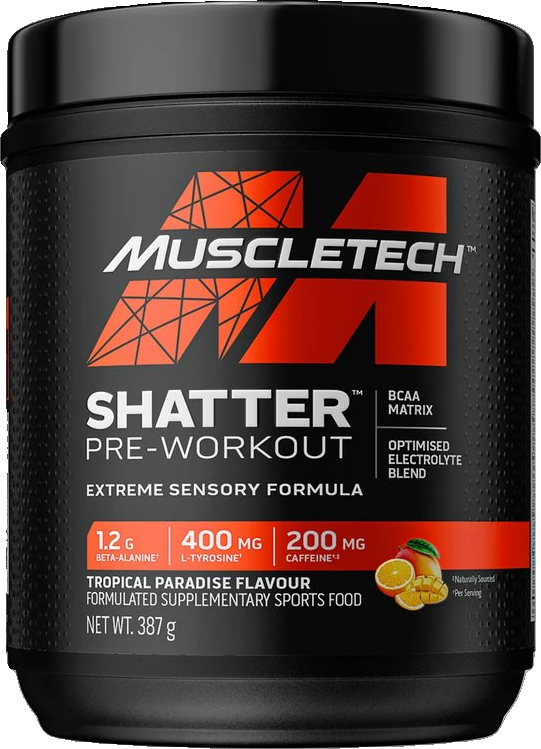
- 1at Supplement Warehouse · packs from $43.96$3.86/100g
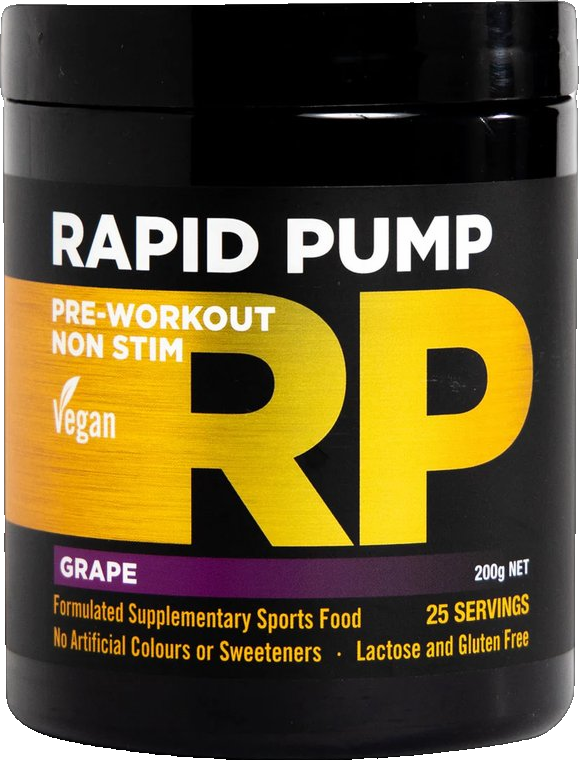
- 2at Supplement Mania · packs from $59.99$5.00/100g
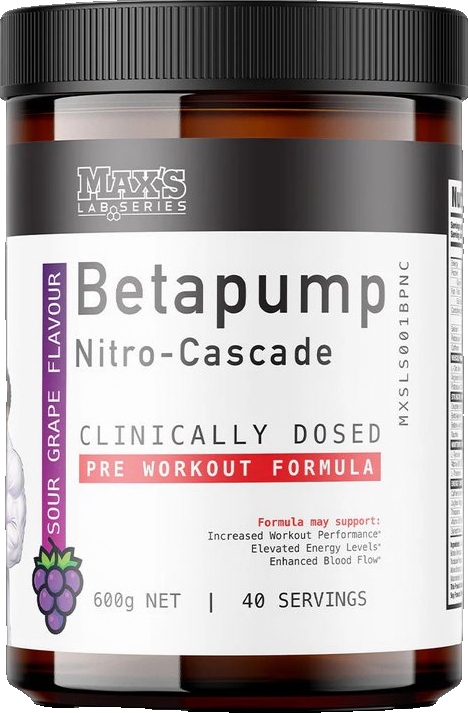
- 3at Supplement Mania · packs from $64.99$5.42/100g
Most pre-workout side effects — tingling, jitters, crash, nausea — are a dose problem, not a product problem, and are harmless once managed. Take side effects seriously when they include chest pain, palpitations that persist or appear at low doses, severe anxiety, or alarming blood pressure readings — these warrant stopping the product and seeing a doctor.
Most of the popular pre-workouts we track in Australia land between 300mg and 400mg of caffeine per full scoop. That's two to three times what a caffeine-naive trainee should be starting on. So when someone tells us a pre-workout "made them feel awful", we're rarely surprised. We've spent enough time staring at labels to know which sensations are harmless physiology and which are your body telling you the dose is wrong. This guide walks every major side effect, what causes it, and what we'd do about it.
Beta-Alanine Tingling (Paraesthesia): Harmless
That prickling sensation in your face, ears, scalp and hands roughly 15 to 30 minutes after dosing is paraesthesia, and it's beta-alanine doing exactly what beta-alanine does. The molecule binds Mas-related G protein-coupled receptors (MrgPRD) on sensory nerves and lights them up for a while (Trexler et al., 2015)[2]. It is not an allergy, it is not nerve damage, and it is not a signal that the product is "too strong".
Our verdict: ignore it. The sensation fades inside 30–60 minutes and gets dramatically less intense after a few weeks of consistent dosing as the receptors desensitise. If you genuinely can't stand it, split the dose. The ISSN position stand notes paraesthesia intensity scales with bolus size, so 1.6g twice a day produces noticeably less tingling than a single 3.2g hit while loading the same total carnosine (Trexler et al., 2015)[2].
Some brands sell sustained-release beta-alanine (CarnoSyn SR) under "no-tingle" marketing. It works. You'll pay a premium per dose for the privilege, and the underlying performance benefit is identical.
Caffeine Jitters and Anxiety: Dose Above Tolerance
Racing thoughts, hand tremor, restless legs, the sense that you've swallowed something faster than your body can handle. That's caffeine sitting above your personal threshold. Your threshold is not a stable number. CYP1A2 polymorphisms drive a roughly 40-fold range in metabolic clearance between individuals, and adenosine receptor density varies on top of that (Guest et al., 2021)[1].
A sensible opening dose for anyone without an established daily caffeine habit is 150–200mg. Match that against the popular Australian formulas we index, where 300–400mg per scoop is the norm, and the maths is obvious: a first-timer taking a full scoop is overdosing by design. The ISSN guidance lands in a similar range, with ergogenic effect plateauing around 3–6mg/kg bodyweight (Guest et al., 2021)[1].
Our fix is dull and effective. Use half a scoop. Pre-workouts are mixed by volume but the active load scales linearly, so half a scoop is half the caffeine, half the beta-alanine and half the citrulline. Sit there for two or three sessions. If a half-scoop still puts you on edge, the product is wrong for you. Stim-free formulas exist in the 0mg bracket, and milder options sit around 100–150mg per scoop.
The Caffeine Crash: Manageable
Two to three hours after peak, the energy drops. Plasma caffeine falling off its peak does most of the work. Rebound adenosine flooding receptors that were blocked all morning adds a layer. A small post-adrenergic dip in blood glucose, plus the comedown from elevated cortisol, finishes the job. For most people the result is fatigue and a dull headache. For the highly sensitive, or anyone who took 400mg on an empty stomach, the slump can be flat-out miserable.
The crash is proportional to the peak. Lower the peak, lower the crash. Eat a small carb-containing snack post-session to keep blood glucose stable. Drink water like you actually train hard. If you're crash-prone, avoid dosing on an empty stomach. Some products lean on theacrine (TeaCrine) alongside caffeine to flatten the curve, and the slower clearance does produce a less obvious comedown for a lot of users. We rate it as a useful add-on, not a fix for a 400mg caffeine problem.
Nausea: Usually Avoidable
Concentrated pre-workout on an empty stomach is the classic trigger. The high osmolality of a single scoop dissolved in 200ml of water (electrolytes, amino acids, betaine, citrulline, all crammed together) irritates the gastric lining with nothing to buffer it.
Fix it by eating something light 30–60 minutes prior. A banana, rice cakes, a small bowl of oats, or a slice of toast with peanut butter all do the job. Mix the scoop in 250–350ml of water rather than the bare minimum the label suggests. If the drink still tastes syrupy, push it to 400ml or 500ml.
A specific culprit worth naming: high-dose citrulline malate. The malate fraction is the part that upsets some stomachs. If you've cleaned up the obvious stuff and you're still queasy, switch to a formula using pure L-citrulline or one with a lower total citrulline dose. And if nausea hits at full-scoop on a product you've already proved you tolerate at half-scoop, that's your body labelling the full dose as too much.
Sleep Disruption: Take Seriously
This is the side effect we get most exercised about, because the cost is hidden. Poor sleep wrecks muscle protein synthesis, hormonal recovery, immune function and cognition, which is the same list you're training to optimise. Trashing your sleep to power one afternoon session is a terrible trade.
Caffeine half-life sits around five hours in most adults, longer in slow metabolisers (Guest et al., 2021)[1]. A 300mg dose at 5pm still has 150mg active at 10pm and 75mg active at 3am. Polysomnography work has clocked roughly 20% reductions in slow-wave sleep from caffeine taken up to six hours before bed, the deepest and most physically restorative stage (Guest et al., 2021)[1]. You won't necessarily feel that deficit. Your recovery will.
Our rule, and we're not flexible on this one: if you train after 2pm or 3pm, go stim-free. We treat that as a recovery non-negotiable for anyone training seriously. Want a little lift for an afternoon session? 50–100mg of caffeine, roughly one espresso, is the ceiling we'd suggest for most people.
Heart Palpitations: Reduce the Dose
Becoming aware of your heartbeat, feeling thuds or skipped beats, picking up on irregular rhythm. High-dose caffeine raises heart rate and can trigger premature atrial or ventricular contractions (PACs and PVCs). In a healthy heart these are usually benign, but they feel awful and they're a signal worth respecting.
The first lever is the dose. Drop to half-scoop and reassess across two or three sessions. If palpitations still show up at low caffeine loads, switch to a stim-free product and stop arguing with your physiology. Some people simply react harder to caffeine's cardiovascular effects at doses other people don't notice.
A specific avoidance: stacked stimulants. Caffeine plus synephrine, caffeine plus DMHA, caffeine plus yohimbine. We see these combinations on banned-substance lists for a reason. Cardiovascular load multiplies, and the risk of palpitations and pressure spikes climbs sharply, especially in sensitive trainees.
If you get chest pain, real shortness of breath, or palpitations that persist beyond an hour after the product should have worn off, stop and see a doctor. Cheaper than an ambulance.
Headaches: Usually Dehydration or Blood Pressure
Two common causes. Dehydration, because caffeine is mildly diuretic and you're then sweating through a training session, or rapid blood pressure changes from nitric oxide donors (mostly citrulline).
The dehydration case is dull but common. People dose a concentrated scoop in 150ml of water, train for an hour, and end up wondering why their head is pounding. Drink properly. Pre-workout belongs in 250–350ml of water, plus another 500ml during the session at minimum.
Citrulline-driven vascular headaches are less common, but the trigger is recognisable. The headache lines up with the pump phase rather than the stimulant peak, and it has a throbbing, vasodilatory quality. Migraine-prone trainees feel it most. Drop the citrulline dose, switch to a non-pump formula, and see if the pattern breaks.
Building Tolerance: Plan for Breaks
Tolerance to caffeine's CNS effects builds in two to four weeks of daily dosing. Your brain upregulates adenosine receptors to compete with the constant blockade, and the product that gave you laser focus in week one feels limp by week six. This is normal pharmacology, not a defective scoop.
We schedule caffeine breaks: one to two weeks off every six to eight weeks. The first three to five days are unpleasant. Headaches, fatigue, low motivation, and the dull awareness that your morning coffee was doing more work than you thought. None of it is harmful, and receptor density normalises completely, which is the entire point. After the break, the same dose feels effective again (Guest et al., 2021)[1].
During the break, use a stim-free pre-workout. You'll keep the citrulline, beta-alanine and electrolyte support without feeding the tolerance cycle. Plan the off-period during a deload or lower-intensity block, not the week before a meet.
When to Stop and See a Doctor
These symptoms warrant stopping the product and getting medical eyes on it:
- Chest pain or tightness during or after dosing, even if you suspect it's muscular. High-dose caffeine can unmask arrhythmias and underlying coronary issues, and that's not a self-diagnosis call.
- Persistent palpitations that show up at low caffeine doses or that linger long after the product has cleared.
- Severe anxiety or panic attacks after dosing, especially if you have a history of anxiety. Caffeine reliably worsens both, and a pre-workout is a poor place to discover that interaction.
- Very high blood pressure readings after dosing. Stimulant formulas can lift systolic pressure by 10–20mmHg, which is unremarkable in a healthy 25-year-old and alarming in someone with hypertension.
Our Take
Pre-workouts get treated like sweets and labelled like pharmaceuticals, and the gap between the two is where most side effects live. Tingling, jitters, crash and nausea are almost always a dose problem dressed up as a product problem. Start at half a scoop, eat first, refuse to dose stimulants after 3pm, and take a fortnight off caffeine every couple of months. Do that and the side effect column of this guide stops applying to you.
Where we are less relaxed: stacked stimulants, late-afternoon doses on hard-training athletes, and anyone explaining away chest pain. The TGA polices the Australian market reasonably well, and mainstream products from established brands sit inside sensible margins. The risk concentrates around multi-stim formulas, very high single doses, and the trainees who treat warning signs as character-building. Respect the dose and the response. Adjust faster than your ego wants you to.
Frequently Asked Questions
Is the tingling from pre-workout dangerous?
No. The tingling (paraesthesia) is beta-alanine binding sensory nerve receptors and lighting them up on purpose — it is not an allergy or nerve damage. It typically fades within 30–60 minutes and gets noticeably less intense after a few weeks of consistent dosing as the receptors desensitise. Splitting the dose reduces the intensity if it bothers you.
Why does pre-workout give me the jitters?
Jitters mean your caffeine dose sits above your personal tolerance threshold, which varies enormously between people due to genetics. Most popular Australian pre-workouts pack 300–400mg of caffeine per full scoop, well above the 150–200mg sensible starting dose for anyone without an established caffeine habit. The fix is simple: use half a scoop for two or three sessions and reassess.
Why do I crash after taking pre-workout?
The crash comes from plasma caffeine falling off its peak two to three hours after dosing, compounded by rebound adenosine flooding blocked receptors and a small dip in blood sugar. The crash size scales with the peak, so lowering the dose lowers the crash. Eating a small carb snack post-session helps keep blood glucose stable and softens it.
Can pre-workout cause nausea?
Yes, most commonly from a concentrated scoop hitting an empty stomach — the high osmolality irritates the gastric lining with nothing to buffer it. Eating something light 30–60 minutes beforehand and mixing the scoop in 250–350ml of water rather than the label minimum usually fixes it. High-dose citrulline malate is a specific culprit if the problem persists.
How often should I cycle off pre-workout to avoid tolerance?
Caffeine tolerance builds within two to four weeks of daily use as your brain upregulates adenosine receptors, so a product that felt strong in week one can feel weak by week six. The fix is scheduled breaks: one to two weeks off caffeine every six to eight weeks, using a stim-free formula in the meantime.
When should I see a doctor about pre-workout side effects?
Stop and see a doctor for chest pain or tightness during or after dosing, persistent palpitations that show up at low caffeine doses or linger after the product clears, severe anxiety or panic attacks, or very high blood pressure readings after dosing. These aren't self-diagnosis calls — high-dose caffeine can unmask underlying cardiac and psychiatric issues.
References
- Guest et al., 2021. International society of sports nutrition position stand: caffeine and exercise performance
- Trexler et al., 2015. International society of sports nutrition position stand: Beta-Alanine
- Antonio et al., 2021. Common questions and misconceptions about creatine supplementation: what does the scientific evidence really show?