 SUPPSAVER
Best Protein Powder for Weight Loss Australia (2026)
- 1at VPA Australia · packs from $36.00$4.24/100g protein
- 2at Supplement Mart · packs from $40.00$4.84/100g protein
- 3at Mr Supplement · packs from $59.95$5.65/100g protein
A 30g whey scoop holds roughly 25g of protein and 120 calories. That same 120 calories of biscuit lasts about 90 seconds in your mouth and an hour in your bloodstream. Protein lasts four. That gap is the entire case for using protein powder in a cut, and it's why we keep recommending the cheapest whey that hits 75g protein per 100g over the boutique "fat-loss" blends charging double.
The Best-Value Protein Powders for Weight Loss Right Now
| # | Product | Protein /100g | Cal /100g | $/100g protein | Best price | |
|---|---|---|---|---|---|---|
| 1 | Switch NutritionEgg White Protein | 83g | 328 | $16.08 | $39.90Oxygen Nutrition | Buy |
| 2 | Switch NutritionWPI 95 | 85g | 346 | $14.39 | $109.95Mr Supplement | Buy |
| 3 | Elemental NutritionHydro Isolate Flavoured | 89g | 363 | $12.38 | $99.95Mr Supplement | Buy |
| 4 | Switch NutritionProtein | 81g | 333 | $9.25 | $67.16Woolworths | Buy |
| 5 | Ghost LifestyleClear Whey Isolate | 76g | 313 | $20.71 | $54.99Ghost Lifestyle | Buy |
| 6 | Elemental NutritionXtreme WPI | 90g | 374 | $9.88 | $109.95Mr Supplement | Buy |
| 7 | Basic SupplementsBasic Protein Isolate | 82g | 348 | $12.71 | $99.99Bodybuilding.com | Buy |
| 8 | VPAWhey Protein Isolate | 90g | 381 | $9.44 | $85.00VPA Australia | Buy |
| 9 | Black Wolf NutritionIsolate Protein | 84g | 361 | $15.64 | $98.90Oxygen Nutrition | Buy |
| 10 | International ProteinAmino Charged WPI | 88g | 380 | $9.02 | $238.99Supplement Mania | Buy |
Why Protein Matters in a Calorie Deficit
Eat less than you burn and your body raids both fat and muscle. Lose too much muscle and your resting metabolism drops with it. Morton et al. (2018)[1] ran the largest meta-analysis on the question and landed on roughly 1.6g/kg bodyweight as the point where extra protein stops adding lean-mass benefit in trained lifters. The Jäger et al. (2017) ISSN position stand[2] pushes that ceiling higher in a deficit, recommending 1.8–2.2g/kg when calories are restricted. Protein targets go up when you're dieting, not down.
Protein's thermic effect is real but oversold. About 20–30% of protein calories burn off during digestion, against 5–10% for carbs and under 3% for fat. On 150g of protein a day that's roughly 100–140 extra calories burned. Useful. Not magical.
Satiety is the bigger lever. Protein slows gastric emptying and shifts ghrelin and GLP-1 in a direction that keeps hunger down for hours. We've tracked our own cuts both ways and the high-protein version is the one that doesn't end in a 9pm pantry raid.
The Leucine Threshold and Why It Matters in a Deficit
Not every protein dose triggers muscle protein synthesis equally. The Jäger et al. (2017) position stand[2] puts the leucine threshold at roughly 2–3g per serving. Below that, the anabolic signal is blunted. Above it, MPS hits its ceiling and stays there.
A deficit already suppresses MPS because energy is short. Clearing the leucine bar at each protein feeding keeps the signal firing anyway. Our verdict: this is the single most important number for protein selection during a cut.
Practical target: at least 2.5g leucine per dose. A 30g serve of whey concentrate or isolate runs 2.5–3g of leucine, comfortably in range. Plant proteins land lower, so you'll need a bigger scoop or a leucine-fortified blend to clear the same bar.
Whey Isolate vs Concentrate for Weight Loss
The most asked question in cutting season, and the honest answer is the gap is smaller than the marketing claims.
Whey concentrate sits at 70–80% protein by weight and carries more lactose and fat per 100g. A 30g serve gives you 22–24g protein for roughly 120–130 calories. For most dieters this is fine.
Whey isolate runs 85–95% protein with most of the lactose and fat stripped. A 30g serve hits 25–27g protein for 110–120 calories. The saving is 10–20 calories per serve, genuinely minimal over a day. Isolate earns its premium only in a few specific situations: lactose-sensitive dieters where bloating is wrecking adherence, anyone running an aggressive cut on tight calorie targets, or a multi-shake-a-day routine where small savings compound across the week.
Our verdict: if none of those apply, buy concentrate. Same muscle-preservation effect, lower price per 100g, fewer fancy claims to pay for.
Plant Protein for Weight Loss and Why You Must Read the Label
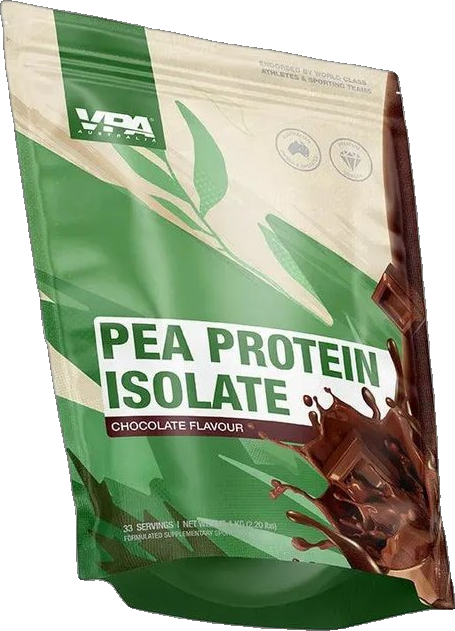
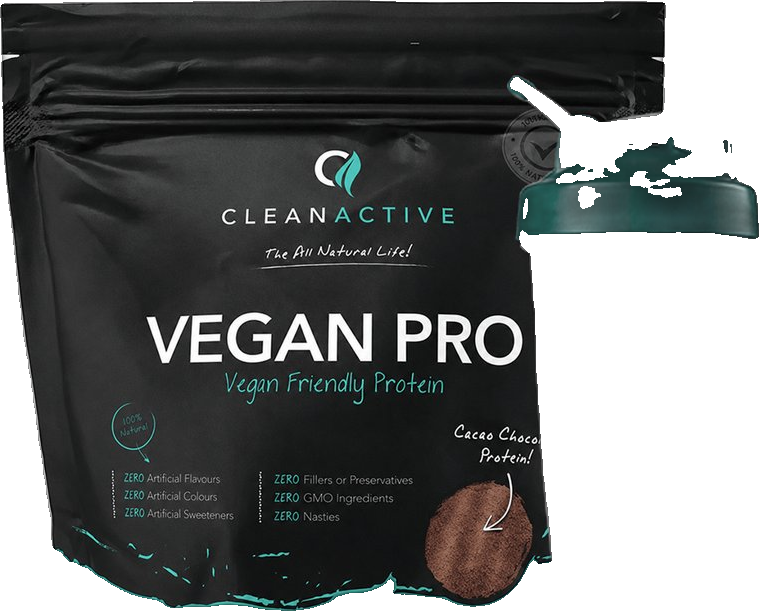
Plant blends vary wildly. We've seen pea isolates hit 80g protein per 100g with almost no carbs, sitting beside "plant blends" that limp in at 60–65g protein and bulk the rest with inulin, oats, or added sugar. Same shelf. Same price bracket.
Always check protein per 100g, not per serve. Serving sizes are picked by the brand and frequently sized to flatter the per-serve maths while hiding a dilute per-100g reality.
Sugar matters too. Some "health-coded" plant proteins carry 6–10g of added sugar per serve for taste. That's the cleanest way we know to erode a deficit without noticing.
Casein for Satiety and Hunger Management
Casein digests over 5–7 hours because its micellar structure gels in the stomach. Res et al. (2012)[4] showed pre-sleep casein lifts overnight muscle protein synthesis and improves recovery, which is the original reason it sells. For dieters, the practical edge is satiety. It's the most filling protein per gram and the easiest to slot into the worst-hunger hours.
In a cut, casein works best as a low-calorie evening anchor. A thick casein pudding or shake at 9pm covers the dietary battlefield where most cuts go sideways. We'd treat it as a tactical add-on, not a daily replacement for whey.
Cost is the catch. Casein runs $5–7.50 per 100g in Australia against $3.50–5 for whey concentrate. Our verdict: if hunger isn't your problem, skip it. If 8pm cravings are blowing up your week, it's the one supplement worth the premium.
When You Take It Barely Moves the Needle
Aragon & Schoenfeld (2013)[3] buried the "anabolic window" myth a decade ago. Hitting your daily protein target matters far more than nailing a 30-minute post-workout slot. For weight loss this is liberating. Drop the shake whenever it fits your day, whenever it kills the most hunger, whenever your training schedule allows.
We use shakes pragmatically: one at breakfast when cooking eggs would mean missing a meeting, one post-training because the kitchen is 40 minutes away, one before bed in a cut because casein works. None of it is sacred timing. All of it is just hitting the daily number.
What to Look for on the Label
Ignore the front of the tub. Flip to the Nutrition Information Panel and read these four lines per 100g:
- Protein per 100g: at least 75g for whey concentrate, 85g for isolate, 70g for a decent plant blend. Under 65g and the product is heavily diluted.
- Calories per serve: a 30g serve should land 110–130 calories. Over 150 and there's serious fat or carb padding.
- Sugar content: under 3g per serve for unflavoured, under 5g for flavoured. Past that and you're paying for sweetener bulk.
- Ingredients list: protein source first. Maltodextrin, dextrins, or stacked sugars near the top are the standard red flag.
Australian Market Benchmarks
The local market has tightened sharply over the last two years. Our scraper tracking puts the going rates at:
- Whey concentrate: $3.50–4.50 per 100g for known brands in 2–5kg tubs
- Whey isolate: $4.50–6.50 per 100g. Past $7 you're overpaying unless it's a tiny pack
- Plant protein: $4.50–7 per 100g depending on source and brand
- Casein: $5–7.50 per 100g
Our verdict: if you're paying above these ranges, you're either buying a small pack or being charged a brand tax. SuppSaver benchmarks every major Australian retailer live, so the check takes 30 seconds.
Practical Buying Guide
The best filter for a fat-loss protein is price per 100g sorted within your preferred protein type. Our comparison table runs this across Chemist Warehouse, Supplement Mart, Mr Supplement, ASN, and 10 other Australian retailers.
For a cut specifically:
- Filter to Whey Isolate if you're lactose-sensitive or running aggressive targets
- Filter to Whey Concentrate if dairy is fine and price-per-gram is the priority
- Sort by value and confirm protein per 100g is 75g or higher
- Open the product page and cross-check the calorie line on the panel
Our verdict: the best protein powder for weight loss is the cheapest one that clears 75g protein per 100g and that you'll actually drink every day. Everything else is marketing.
Frequently Asked Questions
Which protein powder is best for weight loss?
For fat loss the useful metric is protein per calorie, not brand. A whey protein isolate typically delivers 85–90g of protein per 100g with very little carbohydrate or fat, so it costs fewer calories per gram of protein than a concentrate (roughly 70–80g per 100g). Beyond that, the best powder is whichever one you'll drink consistently at a price you'll keep paying.
Does protein powder actually help you lose weight?
Not by itself. Weight loss requires an energy deficit; protein powder is a convenient way to hit a protein target inside that deficit. Its two real contributions are satiety — protein is the most filling macronutrient per calorie — and preserving lean mass while you lose fat, so more of the loss comes from fat rather than muscle.
Is whey isolate or concentrate better for weight loss?
Isolate is filtered further, so it carries less lactose, fat and carbohydrate and delivers more protein per calorie. That edge is modest — often 15–25 calories per serve — and isolate usually costs more per gram of protein. Concentrate is the better value unless you are lactose-sensitive or your calorie budget is genuinely tight.
How much protein powder should I take when cutting?
Protein powder should top up a whole-food intake, not replace it. Most evidence supports a total daily protein intake toward the higher end of the range when in a deficit to protect lean mass; one or two shakes a day typically covers the shortfall. Spreading protein across meals matters more than the timing of any single shake.
Is a low-calorie protein powder worth paying more for?
Only if the calorie saving is real. Compare the nutrition panel per serve, not the marketing: many "lean" or "diet" powders are ordinary concentrate with a smaller scoop, so the per-serve calories fall but the per-100g figures are unchanged. Check protein per 100g and calories per 100g before paying a premium.
What should I look for on the label?
Three numbers. Protein per 100g (aim for 75g or higher), calories per 100g, and the price per 100g of actual protein rather than per tub. A large tub can look cheap while costing more per gram of protein than a smaller one — which is the comparison SuppSaver runs across Australian retailers daily.
References
- Morton et al., 2018. A systematic review, meta-analysis and meta-regression of the effect of protein supplementation on resistance training-induced gains in muscle mass and strength in healthy adults
- Jäger et al., 2017. International Society of Sports Nutrition Position Stand: protein and exercise
- Aragon & Schoenfeld, 2013. Nutrient timing revisited: is there a post-exercise anabolic window?
- Res et al., 2012. Protein ingestion before sleep improves postexercise overnight recovery