 SUPPSAVER
Cold Plunge and Lifting: The AU Timing Fix for Your Gains
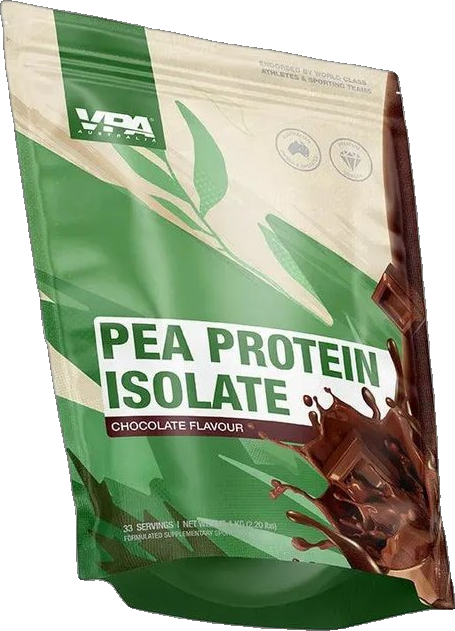
- 1at VPA Australia · packs from $36.00$4.24/100g protein
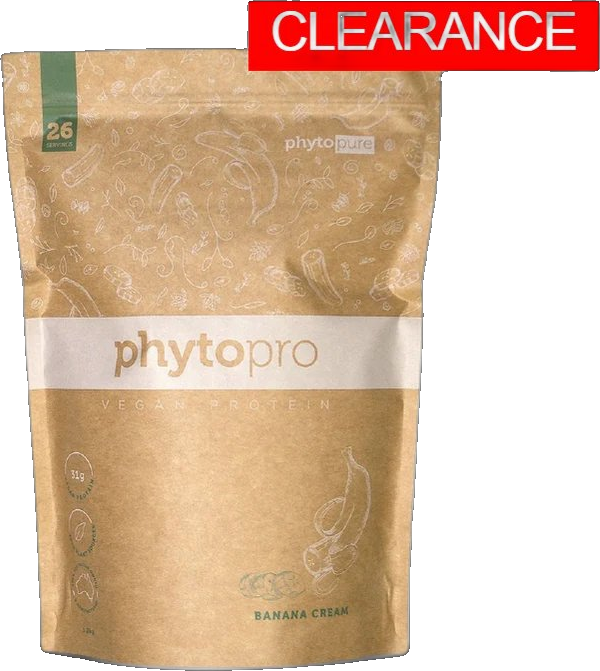
- 2at Supplement Mart · packs from $40.00$4.84/100g protein
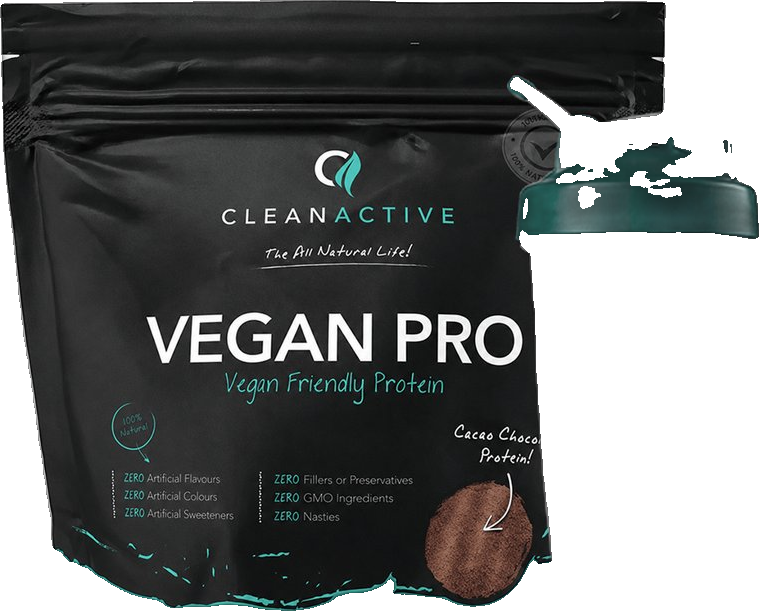
- 3at Mr Supplement · packs from $59.95$5.65/100g protein
Roughly 10-20% of your hypertrophy gains across a training block. That's the cost of cold plunging inside four hours of a lift, per Piñero and colleagues' 2024 meta-analysis in the European Journal of Sport Science[1], the first proper pooled analysis on the question. Pooled comparative effect was SMD -0.22 with an 83% probability that cold-water immersion blunts post-resistance gains by at least a small amount. Australia is in a bathhouse boom, and most punters walking into Nimbus Co or Soak Bathhouse after a gym session don't know they're spending $59 a pop to undercut their own training. Our verdict up front: wait six hours after lifting, or stack the plunge onto rest days.
What the Evidence Actually Says
Roberts and colleagues (2015, J Physiol)[2] nailed down the mechanism. They put 21 trained men through 12 weeks of resistance training twice a week, with either 10 minutes of 10°C cold-water immersion or active recovery afterwards. The cold group gained significantly less type II fibre cross-sectional area and lean mass. Satellite-cell numbers and p70S6K activation (the mTOR-pathway kinase that flips muscle protein synthesis on) were suppressed for up to 48 hours.
Fuchs and van Loon (2020)[3] added the acute biochemistry: post-exercise cooling impaired myofibrillar muscle protein synthesis rates for up to 5 hours. The window where your lift creates anabolic signal is 0 to 4 hours post-session, which is exactly when cold suppresses it.
Piñero 2024[1] is the synthesis. Of the eight studies pooled, most applied cold within 3 to 15 minutes of finishing the workout, at 10°C for 10 to 20 minutes. That mirrors what most home-tub users and bathhouse-goers actually do. The authors flagged five of the eight as poor quality on the SMART-LD scale, so interpret cautiously, but the direction is consistent and the mechanism is plausible. Fyfe et al. (2019)[4] separately found cold blunted fibre hypertrophy without touching maximal strength, which fits the satellite-cell story Roberts had measured four years earlier.
The Timing Fix
Huberman's lab updated their public position in April 2025: cold exposure immediately after hypertrophy training reduces gains, and the practical heuristic is a four-hour gap (acceptable) or six-hour gap (optimal) between lifting and cold. That aligns with the 5-hour MPS suppression window Fuchs measured.
Three patterns actually work:
- AM cold, PM lift. Plunge before 9am, train after 3pm. No interference with the post-lift signalling window.
- PM lift, next-morning cold. Train at 5pm, plunge tomorrow morning. Clears the 0 to 6 hour window comfortably.
- Non-lift days. Stack your bathhouse visit onto rest days or conditioning-only days. This is what we'd reach for if you're paying $95 for 90 minutes at SÓL Elements on Tamborine and want it to feel like recovery, not a tax on your training.
Who Can Still Cold-Plunge Near Training
The hypertrophy literature gets generalised into "cold is bad", which is wrong. There are real post-lift cold use cases, and they sit outside the off-season-size frame entirely. Combat-sport athletes making weight benefit from cold dumping heat fast and helping hydration management before a weigh-in. The MMA recovery RCT (2018) showed CWI improved 10-metre sprint recovery 24 hours after simulated combat. If you're cutting for a fight, hypertrophy isn't the priority.
Congested fixtures look the same. Tournament players, in-season athletes, and anyone doing same-day doubles get more out of DOMS reduction at 24-96 hours and sprint repeatability than they lose in marginal off-season size gains. Endurance doubles fit the pattern too: AM run, PM session, cold between blocks improves perceived recovery and isn't competing with a hypertrophy goal in the first place.
If your goal is size and strength in an off-season block, none of these apply and the four-hour rule stands.
Sauna Is the Hypertrophy-Friendly Hot Alternative
A 2025 Sports Medicine - Open systematic review on post-exercise heat exposure[5] found heat upregulates HSP70, mTOR signalling, and growth hormone, the opposite direction to cold. A 2025 Frontiers infrared sauna RCT found no lean-mass boost over resistance training alone, but crucially, no blunting either. Hot-water immersion has improved isometric strength in elite skaters.
If you want a hot-recovery option after lifting that doesn't fight your training, take the sauna. The protocol is 80-100°C for 15-30 minutes within 30-60 minutes of finishing. Most AU bathhouses bundle sauna with cold plunge (Soak Bathhouse, Sense of Self, Nimbus), so you can keep the cold portion for non-lift days and use the sauna on training days.
The Supplement Stack
Tart cherry (anthocyanins). The 2025 Annals of Medicine & Surgery meta-analysis on tart cherry[6] confirmed reduced IL-6 and IL-8 and roughly 9% better recovery markers in trained populations. Effective dose is ≥40mg anthocyanins or ≥600mg phenolics per day, loaded 4-7 days pre-event. The advantage over cold: it modulates inflammation without suppressing the mTOR signalling cold flattens. This is our pick for the "I lifted today and I'm sore" problem.
Creatine monohydrate. 3-5g per day, taken any time. Separating it from cold by 30-60 minutes is sensible because the two pathways don't directly compete. Cognitive and recovery benefits stack with cold for non-hypertrophy goals.
Whey protein. Non-negotiable protein floor. If you're going to blunt your signalling with a poorly timed plunge, at least give the substrate side every chance. Hit 1.6-2.2g per kg bodyweight daily.
Magnesium glycinate. 200-400mg pre-bed for parasympathetic recovery and sleep quality. The 2025 RCT (n=155) on 250mg bisglycinate showed significant Insomnia Severity Index reduction.
Avoid: high-dose vitamin C and E around cold exposure. The antioxidant literature suggests they may further blunt the adaptive response. Save them for non-training periods if you take them at all.
Caffeine and Cold for Cognition (Not Lifting)
If your goal is the dopamine-and-focus payoff of cold, not recovery from a lift, the stack is different. Caffeine 60-120 minutes pre-plunge upregulates dopamine receptor density. Cold exposure on top raises norepinephrine 200-530% and dopamine 200-250%, and that elevation sustains for 2-3 hours. This is a "morning focus protocol", not a "post-leg-day recovery protocol". Don't conflate them.
AU Bathhouse and Home Tub Pricing
The Australian cold-plunge market split in two over 2024-2026: paid bathhouse sessions and home tubs. Here's what you're actually choosing between.
Bathhouses (per session):
- SÓL Elements, Mt Tamborine: $95 for 90 minutes. Australia's first floating bathhouse. Three 38°C magnesium pools, two 12°C plunges, cedar sauna, phone-free.
- Soak Bathhouse (Mermaid Beach, West End, Bondi, South Yarra): $39-$49 early-bird, $59-$69 standard, $89-$99 essentials, $169-$198 with massage.
- Nimbus Co (Bondi, Manly, Neutral Bay, Fitzroy, Byron): 5-9°C plunge for 15 minutes, paired with 45-68°C infrared sauna. Membership-driven (12-week minimum).
- Sense of Self (Collingwood, Surry Hills): $59 weekday / $69 weekend for 2 hours. 10-12°C plunge, 80°C Finnish sauna, 39°C mineral pool.
Home tubs: Entry-level inflatable tubs start under $100 and require ice-bag dumps every session. Mid-tier portables sit around $1,700. The premium chiller-equipped option is PlusLife's Signature Ice Bath at $4,992 on sale (RRP $7,490), with a 3°C eco chiller, 20µm filtration, and app control.
One caution: Edge Theory Labs (the inflatable Edge Tub Legacy and Elite) is now defunct. Residual stock floats around resellers but there's no warranty backbone left. Don't buy it. iCoolsport (Manufacturer of the Year 2024 at the Gold Coast Business Awards) is the safer AU-domiciled premium pick if you don't want to spend PlusLife money.
Safety Caveat
UNSW's July 2025 newsroom piece[7] flagged cold-shock arrhythmia and an autonomic-conflict collapse incident in Sydney. If you have a cardiac condition, uncontrolled hypertension, or you're pregnant, see your GP before starting. The studied protocols are 10-15°C for 10-20 minutes. Anything colder than 5°C is anecdote, not evidence.
Frequently Asked Questions
Does cold plunging hurt muscle gains?
Within four hours of lifting, yes. Piñero and colleagues' 2024 meta-analysis in the European Journal of Sport Science pooled a comparative effect of SMD -0.22, with an 83% probability that cold-water immersion blunts post-resistance gains, costing roughly 10 to 20% of hypertrophy across a training block.
How long should I wait after lifting before a cold plunge?
Six hours or more, or move the plunge to a rest day. The measured penalty scales with the gap: about 20% at zero hours, 10% at two hours, 4% at four hours, and no measurable impact once you clear six hours.
Why does cold blunt hypertrophy?
Roberts and colleagues (2015, J Physiol) found 10 minutes of 10°C immersion suppressed type II fibre cross-sectional area, satellite-cell numbers and p70S6K activation for up to 48 hours. Fuchs and van Loon (2020) showed myofibrillar protein synthesis is impaired for up to five hours.
Does cold water immersion also reduce strength?
Fyfe and colleagues (2019) found cold blunted fibre hypertrophy without affecting maximal strength. The cost shows up in muscle size rather than force output, which fits the satellite-cell mechanism Roberts measured four years earlier.
Is a sauna a better option after training?
Heat is the hypertrophy-friendly alternative. Sauna does not carry the same post-resistance attenuation signal that cold-water immersion does, so it is the safer choice if you want a recovery ritual close to a lifting session.
The Verdict
Don't cold plunge within four hours of a hypertrophy session. Six hours or more is optimal. The Piñero 2024 attenuation is small (SMD -0.22) but consistent, and you're paying $59-$95 for the privilege of taking it.
Schedule cold pre-lift or on rest days. AM plunge, PM lift works. Bathhouse on the weekend works. Same-session contrast therapy after Saturday legs does not.
Tart cherry is the better post-lift inflammation modulator. Anthocyanins reduce IL-6 and IL-8 without flattening mTOR. Load it 4-7 days before a heavy block.
Sauna is the safe hot-recovery alternative. Heat upregulates HSP70 and growth hormone; cold suppresses both. If you want post-lift bathhouse access, take the heat side.
Combat-sport athletes and tournament players can keep cold near training. Heat dump, hydration, DOMS, sprint repeatability are all legitimate. Hypertrophy is the wrong frame for in-season conditioning.
References
- Piñero et al., 2024, Eur J Sport Sci. Throwing cold water on muscle growth: a meta-analysis of CWI and resistance training
- Roberts et al., 2015, J Physiol. Post-exercise cold water immersion attenuates acute anabolic signalling and long-term adaptations in muscle to strength training
- Fuchs et al., 2020. Postexercise cooling impairs muscle protein synthesis rates
- Fyfe et al., 2019, J Appl Physiol. Cold-water immersion blunts fibre hypertrophy but not strength
- 2025, Sports Medicine - Open. Post-exercise heat exposure: a systematic review
- 2025, Annals of Medicine & Surgery. Tart cherry juice on recovery and inflammation: 2025 meta-analysis
- Cornell & Tipton, UNSW Newsroom, July 2025. Ice baths booming in popularity but come with health risks