 SUPPSAVER
Collagen for Joints, Skin & Recovery, What the 2026 Evidence Says
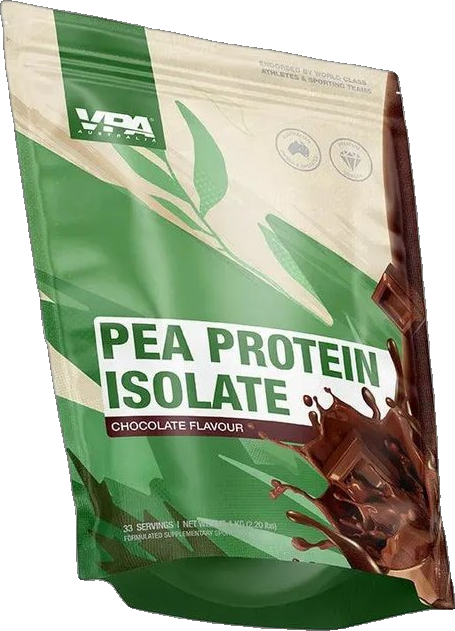
- 1at VPA Australia · packs from $36.00$4.24/100g protein
- 2at Supplement Mart · packs from $40.00$4.84/100g protein
- 3at Mr Supplement · packs from $59.95$5.65/100g protein
Collagen has had one of the biggest supplement moments of the decade, sachets, creamers, gummies, lattes. A large umbrella review published in March 2026[1], pooling 113 trials, has sharpened what we can and can't say about it. The short version: skin and joint benefits are real but modest, the form you buy matters more than the marketing suggests, and collagen does almost none of the things people imagine when they substitute it for protein powder.
What Collagen Actually Is
Collagen is the most abundant protein in the human body. It's the structural scaffold of skin, bone, tendon, ligament, cartilage, blood vessels and the connective tissue that wraps around your organs. Around 30% of all the protein in your body is collagen.
Its amino acid profile is unusual. Roughly one third of collagen is glycine, with high concentrations of proline and hydroxyproline, amino acids that the body uses as building blocks to synthesise its own connective tissue. It contains very little of the essential amino acids that drive muscle protein synthesis, and zero tryptophan, which is why nutritionists classify it as an incomplete protein.
The body makes its own collagen continuously, but production declines with age, roughly 1% per year after 30, and faster after menopause. UV exposure, smoking and high sugar intake accelerate the loss. Supplementing oral collagen attempts to give the body the substrate (and possibly the signal) to ramp synthesis back up.
The Three Types You'll See on Labels
There are at least 28 known collagen types, but supplements really only sell three.
- Type I: About 90% of the collagen in your body. Builds skin, tendon, bone, ligament, and the connective tissue around organs. This is the type marketed for skin, hair and nails.
- Type II: Found almost exclusively in cartilage and the vitreous humour of the eye. Doesn't appear in skin or bone in any meaningful amount. This is the type targeted for joint support.
- Type III: The flexible counterpart to Type I. Lives in blood vessels, the gut wall, the uterus and the deeper layers of skin. Usually appears alongside Type I in bovine products.
Practically: bovine collagen delivers a Type I and III blend, marine collagen is almost pure Type I, and chicken-derived collagen is the dominant source of Type II.
Peptides vs Gelatin vs Undenatured
The processing of the collagen matters as much as the type.
Hydrolysed collagen peptides: Collagen broken down enzymatically into small chains, typically 2–8 kilodaltons. They dissolve cleanly in cold liquid, are well absorbed, and circulate in the bloodstream as bioactive di- and tri-peptides[5], fragments that can act as both raw material and signalling molecules for fibroblasts. This is the form used in the majority of skin and joint RCTs.
Gelatin: Partially hydrolysed collagen with much larger molecular weight (50–100 kDa). Forms a gel in cold liquid, dissolves in hot. One head-to-head study found amino-acid bioavailability from gelatin and hydrolysed peptides was similar at a 20g dose, but plasma peptide concentrations were higher with peptides. Gelatin is roughly a quarter of the price.
Undenatured Type II collagen (UC-II): A completely different product. Raw, unhydrolysed chicken cartilage delivering about 10mg of intact Type II collagen per 40mg capsule. It is not absorbed and reincorporated, instead it acts on gut-associated lymphoid tissue to recalibrate the immune response against the body's own cartilage[6]. A 40mg daily dose is the studied amount, and that's the entire dose. More is not better.
The Skin Evidence
The March 2026 umbrella review[1] found that collagen produced "cautiously positive" but "modest" improvements in skin hydration and elasticity. Newer included trials showed smaller elasticity gains than older ones, but bigger hydration gains, a pattern consistent with better-controlled studies tightening effect estimates.
Individual RCTs back this up. The de Miranda et al. (2021)[4] systematic review pooled trials of 112 women given 10g of hydrolysed peptides daily for 8 weeks, reporting significant improvements in elasticity, hydration and skin roughness. Multiple other placebo-controlled trials at 2.5–10g per day for 8–12 weeks show similar results, most commonly in women aged 35 and older.
The honest caveat: the review's authors rated 15 of the 16 underlying systematic reviews as low or critically low quality, mostly because of poor pre-registration, inconsistent dosing and short follow-up. Effects are real, but they're not transformative. Expect "skin feels a bit more hydrated and looks slightly smoother after 8–12 weeks," not "ten years off your face."
The Joint Evidence
Joint outcomes are where collagen has its strongest case. The 2026 umbrella review[1] specifically called out reduced pain in osteoarthritis as a finding supported across multiple included reviews.
For general joint comfort: hydrolysed peptides at 10g per day for 3–6 months. The mechanism is the same as for skin, substrate plus signalling to chondrocytes, the cells that maintain cartilage.
For diagnosed osteoarthritis the strongest evidence is for undenatured Type II collagen at 40mg per day. The Lugo et al. (2016)[2] 180-day multicentre trial in 191 people with knee osteoarthritis compared UC-II against the combination of 1,500mg glucosamine plus 1,200mg chondroitin, and against placebo. UC-II reduced total WOMAC scores significantly more than both placebo (p=0.002) and the glucosamine/chondroitin group (p=0.04). Pain and stiffness subscales followed the same pattern. Notably, the glucosamine/chondroitin group did not separate from placebo in this trial.
The Tendon/Recovery Evidence
For tendon and ligament rehabilitation the most cited protocol comes from Shaw et al. (2017)[3]. Subjects drank 15g of gelatin in vitamin-C-rich juice (around 50mg of vitamin C) one hour before a short bout of jumping exercise. Blood markers showed roughly double the rate of Type I collagen synthesis compared to placebo. Engineered ligaments grown in the post-supplement serum had measurably more collagen and better mechanical properties.
The practical translation, used widely by sports physios: 10–15g of collagen peptides or gelatin with ~50mg of vitamin C, taken 30–60 minutes before targeted loading of the affected tendon or ligament. The pre-exercise timing matters because collagen synthesis peaks during and shortly after the mechanical stimulus.
Collagen Is NOT a Protein Replacement
This is the single most common misconception. Collagen is an incomplete protein. It is missing tryptophan, low in the other essential amino acids, and crucially low in leucine, the amino acid that triggers muscle protein synthesis.
A 25g serve of whey delivers around 2.5g of leucine. The same weight of collagen delivers a fraction of that. Studies directly comparing the two show whey produces meaningfully greater muscle protein synthesis at the same protein dose.
If you are training and want a daily protein supplement to support muscle, that is a job for whey, casein, soy, or a complete plant blend. Collagen has its own use case, connective tissue, but it cannot substitute for those. The right pattern is to add 10g of collagen on top of your existing protein intake, not replace any of it.
Marine vs Bovine
Bovine (cow hide) is roughly 90% of the market. Delivers a Type I and III blend, dissolves easily, mildly cheaper, and is what most RCTs have used.
Marine (fish scales/skin) is almost pure Type I, with slightly smaller average peptide size that proponents argue gives it an absorption edge. The clinical evidence for a marine-specific advantage in humans is thin. It's a sensible choice for pescatarians or anyone avoiding bovine products; it isn't worth paying double for if you eat beef.
Australian pricing in 2026 reflects this. Bovine peptides sit around $10–14 per 100g for the major brands. Marine collagen typically starts at $20 per 100g and can stretch to $50+ per 100g for boutique products. The active ingredient is doing the same job either way.
How to Buy Smart in Australia
A few things to check on the label before you pay:
- Hydrolysed, not gelatin, if you want it to dissolve in cold drinks and to match the RCT format. Gelatin works for Shaw-style tendon dosing but is awkward as a daily habit.
- 10g (10,000mg) of peptides per serve for skin and general joint comfort. Many "beauty collagen" products serve 2.5–5g, that's at the lower end of what trials use and gets there slowly.
- 40mg of undenatured Type II if the goal is osteoarthritis-grade joint relief. This is a different product (capsule, not powder); don't expect it on a peptide label.
- Price per gram of collagen, not per tub. A $40 tub of 200g is more expensive per gram than a $50 tub of 400g, even though the sticker looks higher.
- An AUST L number confirms it has been notified to the TGA[7] as a listed medicine. Unflavoured peptides are often sold as food and may not carry one, that's fine, but the manufacturing standard of TGA-listed products is higher.
The Verdict
For skin or general joint comfort: 10g of unflavoured hydrolysed bovine peptides daily, taken with water or in coffee. Bovine is the cheapest well-evidenced form. Give it 8–12 weeks before judging.
For diagnosed osteoarthritis: 40mg of undenatured Type II (UC-II) daily, this is a small capsule, not a powder. The dose is the dose; don't double it.
For tendon or ligament rehab: 10–15g of peptides with 50mg of vitamin C, 30–60 minutes before targeted loading of the affected tissue.
Skip "beauty collagen" gummies and lattes that deliver 2g per serve, the dose is the variable that determines whether anything happens. And don't let it crowd out the protein in your diet; collagen complements whey, it doesn't replace it.
- Pooled findings from the March 2026 umbrella review of 113 collagen trials (The Conversation summary of the peer-reviewed source).
- Cross-checked the umbrella against the Lugo et al. (2016) 180-day UC-II vs glucosamine/chondroitin trial and the Shaw et al. (2017) vitamin-C/gelatin tendon protocol.
- Compared hydrolysed peptides, gelatin, and UC-II head-to-head on form, dose, and bioavailability (Skov et al., 2024).
- Surveyed AU retailer pricing in March 2026 across bovine and marine peptide SKUs, normalised to price per gram of collagen.
- Checked TGA AUST L status as a manufacturing-quality signal versus food-classified unflavoured peptides.
Frequently Asked Questions
Does collagen actually help skin and joints?
Yes, but modestly. A March 2026 umbrella review pooling 113 trials found 'cautiously positive' improvements in skin hydration and elasticity, and osteoarthritis pain reduction supported across multiple included reviews. The catch: the review rated 15 of 16 underlying systematic reviews as low or critically low quality, so effects are real but not dramatic.
How much collagen should I take for skin?
Studies showing skin benefits generally use 2.5–10g of hydrolysed collagen peptides daily for 8–12 weeks, most commonly in women aged 35 and older. One systematic review pooling trials of 112 women given 10g daily for 8 weeks reported significant improvements in elasticity, hydration and skin roughness. Expect subtle, not dramatic, results.
What's the best collagen dose for joint pain?
For general joint comfort, take 10g of hydrolysed collagen peptides daily for 3–6 months. For diagnosed osteoarthritis, the strongest evidence backs 40mg of undenatured Type II collagen (UC-II) daily, a small capsule rather than a powder, which in one 180-day trial beat both placebo and combined glucosamine/chondroitin on WOMAC pain scores.
Can collagen replace protein powder?
No. Collagen is an incomplete protein, missing tryptophan and low in leucine, the amino acid that triggers muscle protein synthesis. A 25g serve of whey delivers around 2.5g of leucine; the same weight of collagen delivers a fraction of that. Add 10g of collagen on top of your existing protein intake, don't swap it in.
What's the difference between collagen peptides and gelatin?
Hydrolysed collagen peptides are enzymatically broken into small 2–8 kilodalton chains that dissolve in cold liquid and are the form used in most skin and joint trials. Gelatin is only partially hydrolysed, forms a gel in cold liquid and dissolves in hot, has similar amino-acid bioavailability at a 20g dose, and costs roughly a quarter as much.
Is marine collagen better than bovine collagen?
Not clinically, for most people. Bovine collagen (Type I and III) is about 90% of the market, mildly cheaper, and what most RCTs used. Marine collagen is almost pure Type I and proponents claim an absorption edge from smaller peptide size, but human evidence for a marine-specific advantage is thin, and it typically costs double or more.
References
- The Conversation, 2026. Collagen supplements can help your skin and joints, large new study finds (umbrella review of 113 trials)
- Lugo et al., 2016. Efficacy and tolerability of an undenatured type II collagen supplement in modulating knee osteoarthritis symptoms: a multicenter randomized, double-blind, placebo-controlled study
- Shaw et al., 2017. Vitamin C–enriched gelatin supplementation before intermittent activity augments collagen synthesis
- de Miranda et al., 2021. Effects of oral collagen for skin anti-aging: a systematic review and meta-analysis
- Skov et al., 2024. Absorption of bioactive peptides following collagen hydrolysate intake: a randomized, double-blind crossover study in healthy individuals
- Lugo et al., 2013. Undenatured type II collagen (UC-II) for joint support: a randomized, double-blind, placebo-controlled study in healthy volunteers
- TGA, Listed medicines and what AUST L numbers mean