 SUPPSAVER
Cottage Cheese vs Casein Powder: The AU Pre-Bed Protein Math
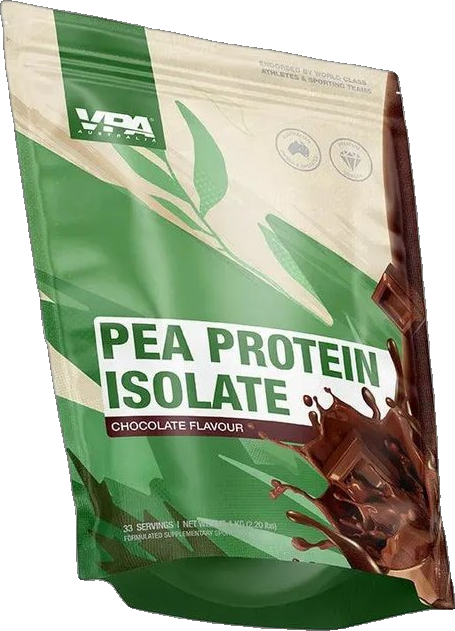
- 1at VPA Australia · packs from $36.00$4.24/100g protein
- 2at Supplement Mart · packs from $40.00$4.84/100g protein
- 3at Mr Supplement · packs from $59.95$5.65/100g protein
$0.046 per gram of protein for casein powder. $0.10 per gram for Coles cottage cheese. That's the number that should end most pre-bed protein debates in Australia, and it inverts the headline you'll see on most US wellness blogs. We went into this guide expecting to crown cottage cheese the budget winner. The Australian shelf disagreed.
The Composition Bit Everyone Gets Half-Right
Cottage cheese is roughly 80% casein by protein, the same ~80/20 casein-whey split as the milk it's made from (Farsi et al., 2025)[1]. That part of the TikTok narrative is correct. The "cottage cheese is casein" shorthand is not. A 30g scoop of micellar casein powder delivers ~24g of protein concentrated into one serve. 100g of standard 4% cottage cheese delivers ~11g protein, of which ~9g is casein. The matrix is the same; the dose density isn't.
This matters because the pre-bed protein literature is dose-anchored, not food-anchored. Res et al. (2012)[2] used 40g of casein. Trommelen et al. (2023)[3] used 40g of whey or casein and found equivalent overnight myofibrillar and mitochondrial MPS. A 2025 Maastricht RCT in men with a mean age of 74 found 40g of pre-sleep casein raised overnight MPS by 22% across 7.5 hours (Kouw, Holwerda et al., 2025)[4]. The dose is the lever. Hitting it from cottage cheese is the practical question.
The Leucine Math
Leucine is the amino acid that triggers muscle protein synthesis via mTORC1. The threshold most researchers cite is ~3g per meal for a maximal anabolic signal. A 30g scoop of casein powder lands ~3g of leucine without doing any math.
Cottage cheese contains ~1.26g of leucine per 100g. To reach the 3g leucine trigger, you need ~240g of cottage cheese. That's a full retail tub at a single sitting. To match the 40g protein dose used in the actual pre-sleep trials, you're looking at closer to ~330g of cottage cheese, or two thirds of a 500g tub.
We're not saying don't eat it. We're saying the "swap a scoop for a spoon of cottage cheese" framing is dose-illiterate. The honest comparison is a 30g powder scoop versus 240–330g of cottage cheese, and the price math has to follow that ratio.
What AU Cottage Cheese Actually Costs
We pulled live prices off Coles and Bulla in mid-2026. The real AU competitive set is Coles and Woolworths home-brand at one end, Bulla as premium leader, and Brancourts pushing the high-protein SKU. Devondale doesn't make a retail cottage cheese in Australia. Tatura and Riverina Dairy don't either. Ignore those names if you see them on a "best AU cottage cheese" list.
- Coles Low Fat Creamed 500g: $6.00, 11.9g protein/100g, 59.5g protein per tub. $0.101/g protein.
- Woolworths Creamed 500g: parity-priced with Coles, ~12g/100g. ~$0.100/g.
- Bulla Low Fat Original 500g: $7.00 at Coles, 12g/100g[8]. $0.117/g.
- Bulla High Protein 500g: ~$8.50–9.00, ~14–15g/100g (97% fat-free). ~$0.120/g.
AU cottage cheese sits at $0.10–0.12 per gram of protein. That's 2–3x the US benchmark you'll see quoted in international guides, because the Costco/Kirkland bulk math doesn't exist on Australian shelves.
What AU Casein Powder Costs
The same exercise with the casein aisle:
- Bulk Nutrients Micellar Casein 1kg: $43, ~80% protein[9]. ~$0.054/g protein.
- Bulk Nutrients 3kg multibuy: $120. ~$0.050/g.
- Bulk Nutrients 5kg multibuy: $185. ~$0.046/g.
- ON Gold Standard 100% Casein 1.82kg: $139.90 at Elite Supps. ~$0.096/g.
A note on what to exclude. ATP Science NoWay is hydrolysed bovine collagen, not casein. The amino profile is missing the leucine trigger this whole conversation hinges on. It belongs in a different guide.
Casein powder in AU sits at $0.046–0.096 per gram of protein. The value tier at Bulk Nutrients is roughly half the cost of the cheapest home-brand cottage cheese, per gram of protein. The premium ON tier is roughly on par with cottage cheese.
The 40g Pre-Bed Dose, Side By Side
Run the math on hitting the 40g protein dose the pre-sleep trials actually used. From Coles cottage cheese you're eating ~330g in one sitting, around $4.00, two thirds of a tub before bed. From the Bulk Nutrients 5kg tier you're scooping ~50g of powder into water for ~$1.85, one shaker, two minutes. ON Gold Standard at the same ~50g serve runs ~$3.85 and still undercuts the cottage cheese serve at the checkout.
The Science Doesn't Pick a Winner
If you're hoping the clinical literature crowns one of these, it doesn't. Trommelen et al. (2023)[3] showed pre-sleep whey and casein produced statistically equivalent overnight MPS in mitochondrial and myofibrillar fractions. Snijders, Trommelen et al. (2019)[5] treat pre-sleep protein as a dose-and-timing question, not a source-specific one. Leyh, Ormsbee et al. (2018)[6] compared 30g of cottage cheese protein to 30g of casein supplement 30–60 minutes before bed in active women and found equivalent metabolism and appetite outcomes. Ormsbee's read on his own data, in his own words, was that "whole foods work just as well as protein supplementation, and it gives people options for pre-sleep nutrition that go beyond powders and shaker bottles."
That's a real finding. It also doesn't change the price tag. The biochemistry says either source works at a matched dose. The Australian checkout receipt says casein powder is the cheaper way to deliver that dose.
Where Cottage Cheese Wins Anyway
There are real cases where the cottage cheese tub is the right tool:
- Satiety per kcal. ~98 kcal per 100g, high protein density, raises GLP-1, PYY and CCK. Ortinau et al. (2015)[7] found it produced equivalent satiety to eggs in a preload trial. If your goal is "stop eating", a tub of cottage cheese is doing more work than a casein shake of the same protein.
- Whole-food matrix. Live cultures, calcium (~83mg/100g, modest but not zero), no need to consume your protein as a beverage if you don't want to.
- Savoury options. Casein powder is mostly sweet flavours. If you're sick of vanilla, a savoury tub on toast with chilli oil is genuinely more sustainable.
- Lactose tolerance. ~3–4g lactose per 100g, lower than milk's ~5g, and lactose-free SKUs are widely stocked in AU.
The AU category is in a real boom. Bulla CEO Allan Hood reported "double-digit growth" through 2025 and the brand doubled production capacity. Brancourts publicly addressed a national shortage in April 2025, citing TikTok-driven demand (DairyReporter, 2026)[10]. The category is growing because people enjoy eating it, not because it's the cheapest protein.
Where Cottage Cheese Loses, Hard
- Calcium flagship claims. ~83mg/100g is about 70% of milk's calcium, because most of it leaves with the whey during curd-cutting. Cheddar is ~720mg/100g. Don't pick cottage cheese for calcium.
- Cost per gram of protein. Already covered. ~2x more expensive than the Bulk Nutrients 5kg tier at the value end, on par with ON Gold Standard at the premium end.
- Pre-bed convenience. Eating 240–330g of cold cottage cheese 30 minutes before sleep is not an experience most people will repeat for six weeks.
- Sleep claims via glycine. Casein is glycine-rich (~1.7g/100g of protein) and 3g of supplemental glycine pre-bed has small sleep-quality effects in trials. Cottage cheese contributes glycine, but no RCT has tested it as a sleep aid. Don't promise yourself sleep benefits the literature hasn't validated.
The Verdicts
Cheapest pre-bed protein in AU: we'd reach for Bulk Nutrients Micellar Casein at the 3kg or 5kg multibuy tier. ~$0.046–0.050 per gram of protein, half the cost of any cottage cheese on the shelf.
Cheapest pre-bed protein if you hate powder: Coles home-brand cottage cheese at $6/500g. You'll spend ~$4 on a 40g pre-bed dose. Be honest about what you're paying for: the eating experience, not the math.
Best satiety per dollar: cottage cheese, every time. The whole-food matrix and volume are doing real work that a 50g powder serve isn't.
Best for savoury eaters: cottage cheese. Casein powder lives in the dessert-flavour ghetto and most people get sick of it inside three months.
The actual answer for most people: both. We'd run Bulk Nutrients casein on training nights when the goal is the cheapest, fastest 40g dose before sleep, and keep a tub of Coles or Bulla cottage cheese in the fridge as a satiety lever for the rest of the week. There's no rule that says you have to pick one.
- Compared the casein content and leucine density of cottage cheese against micellar casein powder, anchored to the 3g leucine trigger and the 40g pre-sleep trial dose.
- Pulled live Australian retail prices in mid-2026 from Coles, Woolworths, Bulla via Coles, Brancourts, Bulk Nutrients direct, and Elite Supps for ON Gold Standard.
- Normalised every SKU to cost per gram of protein so cottage cheese tubs and casein tubs sit on the same axis.
- Cross-checked pre-sleep MPS evidence in Res et al. (2012), Trommelen et al. (2023), Kouw and Holwerda et al. (2025), and Leyh and Ormsbee (2018).
- Excluded SKUs the body of evidence does not support as casein substitutes (e.g. ATP Science NoWay hydrolysed collagen).
Frequently Asked Questions
Is cottage cheese cheaper than casein powder in Australia?
No — it's the opposite of what most guides claim. Casein powder runs $0.046–0.096 per gram of protein in Australia, while cottage cheese sits at $0.10–0.12 per gram. The Bulk Nutrients value tier is roughly half the cost of the cheapest home-brand cottage cheese, per gram of protein.
How much cottage cheese do you need to match a scoop of casein powder?
To hit the 3g leucine trigger for muscle protein synthesis you need about 240g of cottage cheese, a full retail tub. To match the 40g protein dose used in pre-sleep trials, you need closer to 330g, or two thirds of a 500g tub. A 30g casein scoop delivers the same leucine trigger without any measuring.
Does the protein source matter for overnight muscle protein synthesis?
Not much. Matched-dose trials (Trommelen et al., 2023; Snijders et al., 2019) show whey, casein and cottage cheese protein produce statistically equivalent overnight MPS. Leyh and Ormsbee (2018) found 30g of cottage cheese protein and 30g of casein supplement produced equivalent metabolism and appetite outcomes pre-sleep. The literature doesn't crown a winner on biochemistry; the price tag does.
What are the best value cottage cheese and casein brands in Australia?
For casein, the Bulk Nutrients Micellar Casein 5kg multibuy is cheapest at ~$0.046 per gram of protein. For cottage cheese, Coles and Woolworths home-brand sit around $0.10 per gram of protein, with Bulla and Brancourts as premium options at $0.117–0.120 per gram.
Should I eat cottage cheese or take casein powder before bed?
Both have a place. Casein powder is the cheapest, fastest way to hit a 40g pre-bed protein dose (~$1.85–3.85 per serve). Cottage cheese wins on satiety per kcal, whole-food matrix and savoury flavour, but eating 240–330g of it cold before bed isn't realistic for most people night after night.
References
- Farsi et al., 2025. Cottage cheese, a relatively underexplored cultured dairy product with potential health benefits?
- Res et al., 2012. Protein ingestion before sleep improves postexercise overnight recovery
- Trommelen et al., 2023. Pre-sleep protein ingestion increases mitochondrial protein synthesis rates during overnight recovery
- Kouw, Holwerda et al., 2025. Pre-sleep casein protein ingestion in older men, 22% overnight MPS increase
- Snijders, Trommelen et al., 2019. Protein ingestion before sleep, the new frontier in dietary protein intake for muscle health
- Leyh, Ormsbee et al., 2018. Pre-sleep cottage cheese ingestion improves overnight metabolism and morning appetite in active women
- Ortinau et al., 2015. Eggs vs cottage cheese for satiety and energy intake
- Bulla Dairy Low Fat Cottage Cheese 500g, Coles listing
- Bulk Nutrients Micellar Casein Protein, $43-37/kg tiered pricing
- DairyReporter, the cottage cheese boom and Bulla's AU growth