 SUPPSAVER
Protecting Muscle on Ozempic & Mounjaro, The Australian GLP-1 Stack (2026)
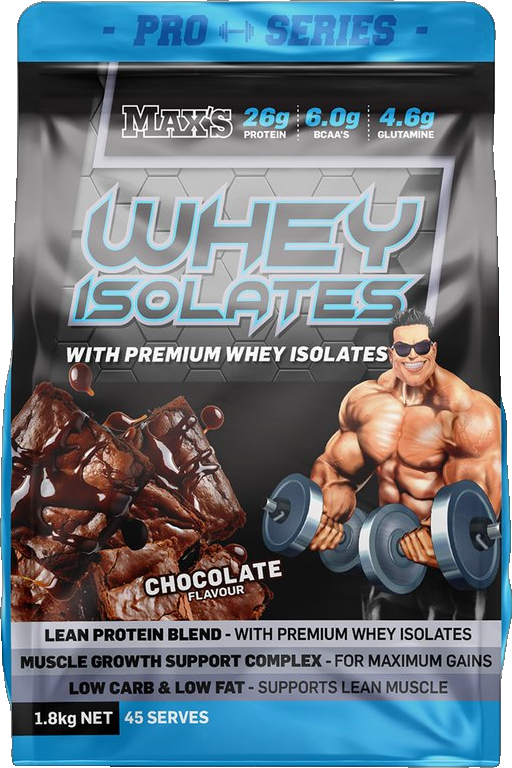
- 1at Supplement Mania · packs from $94.99$8.06/100g protein
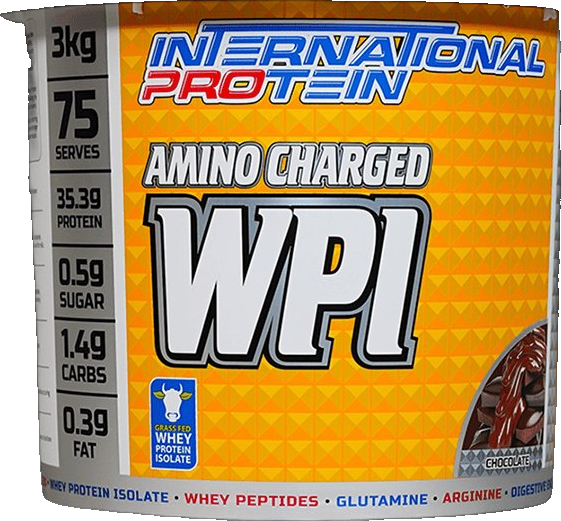
- 2at Supplement Mania · packs from $238.99$9.02/100g protein
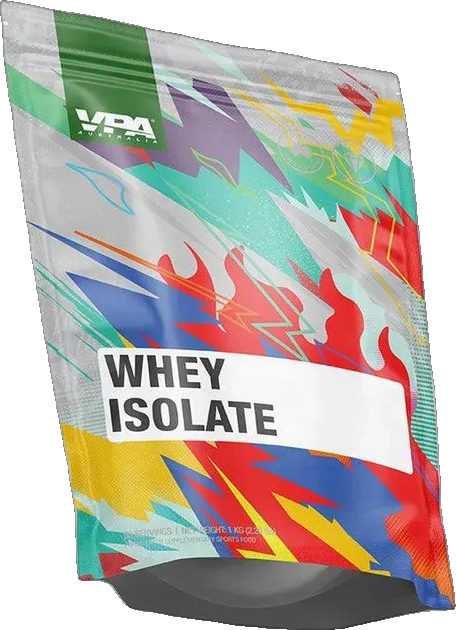
- 3at VPA Australia · packs from $85.00$9.44/100g protein
Roughly 25% of every kilogram dropped on semaglutide or tirzepatide comes from lean mass, not fat. That number is from the SURMOUNT-1 body-composition sub-study (Look et al., 2025)[1] and it lines up with the SEMALEAN trial[2] on semaglutide. Our verdict before the detail: a daily protein target of 1.2–2.0 g/kg, 3–5 g of creatine monohydrate, and two to three resistance sessions a week are the only three interventions with hard evidence here. Everything else on this page is a side-effect patch or a nice-to-have.
The Lean-Mass Problem on GLP-1s
GLP-1 receptor agonists work by suppressing appetite and slowing gastric emptying. The downside is mechanical. Eat less, and the body strips both fat and lean tissue. The Look et al. (2025)[1] analysis of SURMOUNT-1 found ~75% of weight lost was fat and ~25% was lean mass for tirzepatide. The SEMALEAN study[2] on semaglutide reported a similar split. A 2026 medRxiv pre-print (Pacheco et al.) using real-world digital phenotyping suggested tirzepatide may drive a slightly steeper lean-mass decline than semaglutide outside the trial setting.
Industry has noticed. HTBA's Leanara ingredient launch at Vitafoods Europe 2026[7] cited research that 40–60% of GLP-1 weight loss can come from lean muscle when nothing is done to defend it. Herbalife rolled out a GLP-1 Nutrition Companion line in the US in 2025. Marketing aside, the underlying problem is real.
You can't talk a 25% number down. You can change it.
Protein First
The 2025 joint advisory from the American College of Lifestyle Medicine, American Society for Nutrition, Obesity Medicine Association and The Obesity Society[3] lands on 1.2–2.0 g/kg/day for GLP-1 users in active weight reduction, distributed across meals. For an 80 kg adult that's 96–160 g of protein per day. The lower end is the floor, not the goal.
A 12-week RCT cited in the joint advisory[3] put GLP-1 users on a 1.3 g/kg protein diet and preserved fat-free mass, grip strength, and resting metabolic rate compared to an isocaloric standard diet. A Frontiers in Nutrition cross-sectional study (2025)[4] found only 43% of real-world GLP-1 users were hitting even 1.2 g/kg/day, and 5% hit 2.0 g/kg. Most people on these drugs are eating well under what their muscle needs.
Spread the load. Four feedings of 30–40 g protein beats two of 60 g for muscle protein synthesis, and the smaller serves are easier on a slowed stomach.
Whey vs Casein vs Plant on GLP-1
Semaglutide and tirzepatide slow gastric emptying. Liquid protein clears faster than a chicken breast, and that matters when nausea is gating your intake. Whey protein isolate (WPI) is ~90% protein, contains minimal lactose, and exits the stomach faster than concentrate. It's our pick of the protein forms for GLP-1 users with reduced appetite or persistent nausea.
Verdict on whey concentrate (WPC): fine if you tolerate it, but the residual lactose and slightly higher fat slow emptying. WPI or hydrolysate is worth the small premium during the dose-escalation phase, when GI side effects peak.
Verdict on casein: useful at night. Casein clots in the stomach and feeds amino acids over 6–8 hours. With GLP-1s suppressing overnight hunger, a 25–30 g casein serve before bed is a cheap way to extend the protein window without forcing breakfast.
Plant blends (pea + rice) are a viable substitute if dairy doesn't agree, but the leucine content per gram is lower, so push the dose up by ~20% to match.
Creatine Monohydrate
Creatine is the second non-negotiable. A 2024 GRADE-assessed dose-response meta-analysis (Forbes et al.)[5] found creatine plus resistance training added 1.14 kg of lean mass and reduced fat mass by 0.7 kg versus training alone. The effect holds in caloric deficits, which is the exact scenario a GLP-1 user is in.
Dose is settled. 3–5 g of creatine monohydrate per day, every day, no loading required. Form is settled too, monohydrate beats every fancy variant on price-per-effective-gram and has the largest evidence base. There is no GLP-1-specific reason to switch to HCl or nitrate.
Verdict: creatine monohydrate is the cheapest insurance policy in this stack. At AU pricing, a 60–90 day supply lands in the $20–35 range, under 50c per day to protect a measurable amount of lean tissue.
Leucine and HMB, Supplementary, Not Foundational
Leucine is the amino acid that triggers mTOR and muscle protein synthesis. If you're hitting 1.6 g/kg of high-quality protein and the meals contain ~2.5 g leucine each, you don't need a leucine pill. If you're stuck under the protein target because of nausea, an EAA drink with 2.5–3 g of leucine per serve becomes useful, small volume, fast clearance, leucine threshold met.
HMB, a metabolite of leucine, has a thinner case. The 2025 umbrella review (Bideshki et al., Journal of Cachexia, Sarcopenia and Muscle)[6] and a 2024 Frontiers in Medicine meta-analysis on sarcopenia patients found small benefits to muscle preservation in catabolic states, but effect sizes in younger or healthier users are modest. A 2025 GeroScience RCT (Forbes et al.) saw functional-strength gains with creatine plus HMB in older adults independent of mass changes.
Verdict: HMB earns its place only if you're over 60, deep in a deficit, or post-illness. Under 50 and training? Spend the money on more protein.
Electrolytes, Fibre, B12, Managing the Side Effects
Electrolytes. GLP-1 trials report nausea in 15–44% of patients, vomiting in 5–24%, and diarrhoea in 8–30%. Hypokalaemia, hyponatraemia, and hypomagnesaemia are the most common labs to drift. A daily electrolyte serve covering ~1000 mg sodium, ~200 mg potassium, and ~60 mg magnesium is a reasonable insurance dose for anyone training while on the medication. Skip the sugar-loaded sports drinks.
Fibre. Constipation is the most common persistent side effect. Partially hydrolysed guar gum (PHGG, often branded Sunfiber) is low-FODMAP and gentle, around 5 g/day. Psyllium husk works too, 5–10 g/day with plenty of water, and is the cheaper option. Start low and titrate. Bulking fibre into an already-slow stomach without enough water is a fast trip to bloat.
B12. A US database study of 461,382 GLP-1 users found 12.7% were newly diagnosed with a nutritional deficiency by 6 months and 22% by 12 months. Slowed gastric emptying, reduced acid output, and smaller portions all hit B12 absorption. A modest oral B12 (250–500 mcg/day as methylcobalamin) is a cheap hedge, particularly for users over 65, on metformin, or eating mostly plant-based.
AU Buying Reality, What This Costs Per Month
The stack scales by what you actually need. Our tracking across Australian retailers shows the following monthly cost bands at typical 2026 prices:
- Whey isolate (1 kg/month): roughly $40–70 depending on brand and bundle pricing.
- Creatine monohydrate (150 g/month): roughly $8–15 on a per-month basis when bought in 500 g or 1 kg tubs.
- Electrolyte powder (30 serves): $25–50, depending on whether you buy single-serve sachets or bulk.
- Fibre (PHGG or psyllium, 30 serves): $15–30.
- B12 (90 tabs): $10–20.
That's a working stack of roughly $100–185/month. Drop the electrolyte powder for plain salt-and-water plus a banana and that figure halves. The protein and creatine lines are the load-bearing spend, everything else is optional based on symptoms.
What This Stack Won't Do
It won't stop nausea. It won't replace resistance training, without two to three sessions a week pulling on the muscle, the protein you eat will not selectively land on the tissue you want to save. It won't bypass the caloric deficit the medication creates; that deficit is the whole point.
It is also not a reason to change your prescription. None of these supplements interact with the medication in a way that requires dose adjustment, and none of them are an alternative to it. Talk to your GP about anything you add, particularly if you're on metformin, a PPI, or thyroid medication, where absorption windows matter.
Under Australian TGA rules[8], none of the products in this category can claim to "preserve muscle on GLP-1s", they're listed medicines or food-class supplements with general wellbeing claims only. Read the AUST L label, not the marketing.
The Verdict
Tier 1, non-negotiable: 1.2–2.0 g/kg/day protein (whey isolate is the easiest delivery vehicle under nausea), 3–5 g creatine monohydrate daily, two to three resistance sessions per week.
Tier 2, symptom patches: electrolytes if you're training and sweating, PHGG or psyllium if constipation hits, B12 if you're over 65 or on metformin.
HMB and leucine pills sit in Tier 3, useful for older users or anyone who can't physically eat enough protein. Skip the "GLP-1 companion" branded SKUs until you can compare label panels against a plain WPI tub. The branding premium is usually not justified.
- Anchored protein and creatine doses to the 2025 ACLM/ASN/OMA/TOS joint advisory and the 2024 Forbes et al. GRADE-assessed creatine meta-analysis.
- Surveyed AU retailer pricing in May 2026 across iHerb AU, Chemist Warehouse, Supps247, and major manufacturer DTC sites for cost-per-day bands.
- Filtered to AUST-L-listed products and food-class supplements only; cross-checked TGA claim restrictions on muscle-preservation language.
- Weighted each ingredient by food-stack compatibility (slowed gastric emptying, nausea, low-volume tolerance) using SURMOUNT-1 and SEMALEAN AE data.
- Triaged adjuncts (HMB, leucine, EAAs, B12) against published effect sizes in catabolic and sarcopenic populations rather than healthy-young-adult data.
Frequently Asked Questions
How much muscle do you lose on Ozempic or Mounjaro?
Roughly 25% of every kilogram lost is lean mass rather than fat. That figure comes from the SURMOUNT-1 body-composition sub-study on tirzepatide and is echoed by the SEMALEAN trial on semaglutide. The proportion is real, but it is not fixed.
What actually protects muscle on a GLP-1?
Three interventions have hard evidence behind them: 1.2 to 2.0 g/kg/day of protein, 3 to 5g/day of creatine monohydrate, and two to three resistance sessions a week. Everything else is a side-effect patch or a nice-to-have.
How much protein does that mean in practice?
For an 80kg adult, 1.2 to 2.0 g/kg/day works out at 96 to 160g of protein daily, distributed across roughly four feedings. The 2025 joint advisory from four US clinical bodies treats the lower end as the floor, not the target.
Do I need HMB or leucine as well?
They are supplementary rather than foundational. Protein intake, creatine monohydrate and resistance training carry the evidence; leucine and HMB sit outside that core and should not displace any of the three pillars in your budget.
References
- Look et al., 2025. Body composition changes during weight reduction with tirzepatide in the SURMOUNT-1 study
- SEMALEAN investigators, 2025. Impact of Semaglutide on fat mass, lean mass and muscle function in patients with obesity: The SEMALEAN study
- ACLM/ASN/OMA/TOS Joint Advisory, 2025. Nutritional priorities to support GLP-1 therapy for obesity: a joint advisory
- Frontiers in Nutrition, 2025. Investigating nutrient intake during use of glucagon-like peptide-1 receptor agonist
- Forbes et al., 2024. Creatine supplementation protocols with or without training on body composition: GRADE-assessed systematic review
- Bideshki et al., 2025. Ergogenic Benefits of HMB Supplementation on Body Composition and Muscle Strength: An Umbrella Review
- NutritionInsight, 2026. HTBA to launch Leanara GLP-1 companion ingredient at Vitafoods Europe 2026
- TGA, Listed medicines and what AUST L numbers mean