 SUPPSAVER
Iron Deficiency Hits 48% of AU Women 18-29: The 2026 ABS Data
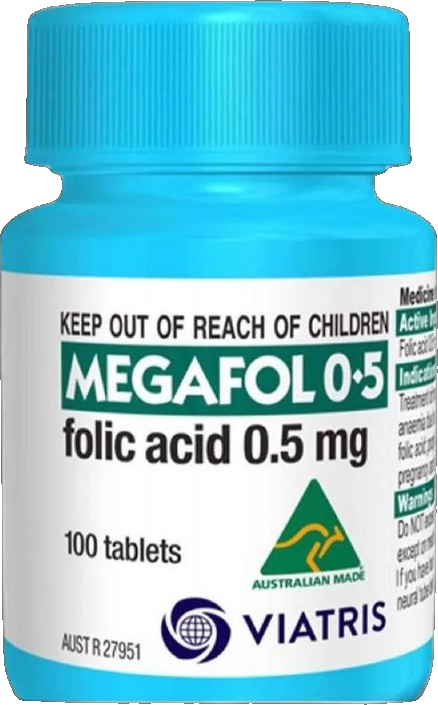
- 1at Woolworths · packs from $3.66$3.66/100 caps
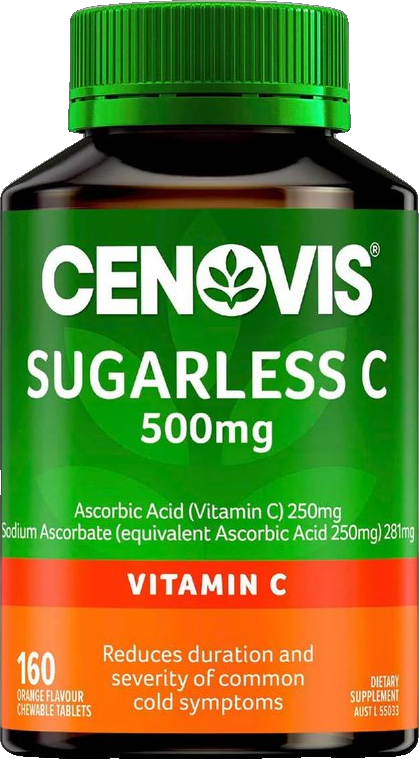
- 2at Woolworths · packs from $14.75$4.61/100 caps
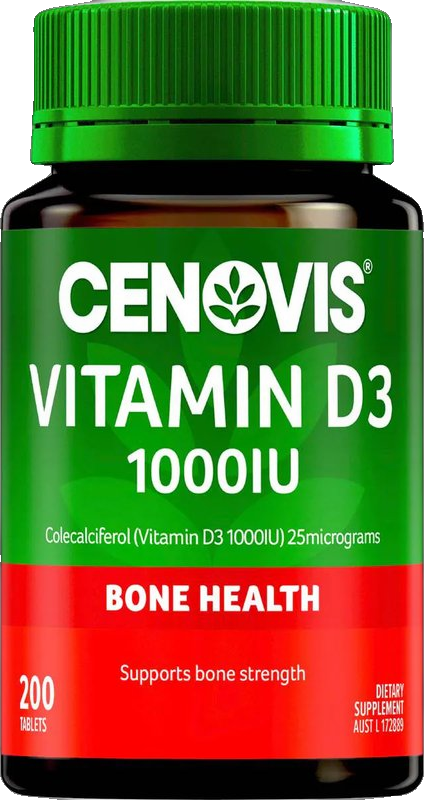
- 3at Woolworths · packs from $9.75$4.88/100 caps
47.7% of Australian women aged 18-29 do not meet the iron RDI. That is the headline from the ABS Usual Nutrient Intakes 2023 release (published March 2026)[1], and it lands almost exactly six-to-one against the same-age male cohort (8%). We have read the release, cross-checked it against the NHMRC reference values[3], and priced every iron supplement on the AU shelf so you don't have to guess which bottle to buy. Our verdict up front: get a ferritin test before you spend a dollar, then buy on cost-per-mg of elemental iron, not on the front of the bottle.
What the ABS Numbers Actually Say
The 2026 release pulls usual-intake estimates from the 2023 National Nutrition and Physical Activity Survey[1]. Across all Australian women, 26.8% fail to meet the iron RDI, compared with 8.2% of men. The gap widens sharply in the menstruating years: 47.7% inadequate for women 18-29, dropping back as iron losses fall after menopause.
Calcium tells a parallel story we touch on because it overlaps with the same demographic. 63.7% of Australians aged 2+ are calcium-inadequate[2]. Women 50-64 sit at 90.7%, women 65-74 at 87.6%. If you are a woman over 50 reading this, the calcium gap is statistically more likely to apply to you than the iron one.
The NHMRC iron RDI is 18 mg/day for women 19-50, 8 mg/day for men and post-menopausal women, and 27 mg/day in pregnancy[3]. The Upper Limit sits at 45 mg/day.
Get Tested Before You Buy Anything
This is the most important paragraph in the guide. Low intake does not equal deficiency, and supplementing without a baseline is how you mask hereditary haemochromatosis (1 in 200 Australians carry the HFE C282Y homozygous variant) or chase the wrong cause.
Ask your GP for a serum ferritin plus haemoglobin, and ideally a CRP because ferritin is an acute-phase reactant and can read falsely high during inflammation. The general-population deficiency cut-off is ferritin under 30 ng/mL. Some labs still report under 15 ng/mL as the threshold; that figure is outdated.
If you train hard, the goalposts move. Iron Deficiency Non-Anaemic (IDNA) in athletes is defined as ferritin under 30 µg/L, but the performance-relevant target is 50-100 ng/mL. We treat that target as athlete-specific, not a general adult benchmark.
Heme vs Non-Heme Absorption
Animal-sourced heme iron absorbs at 15-35% (typical 25%). Plant-sourced non-heme iron sits at 5-12%, capping near 17% under ideal co-ingestion conditions. The 2024 EJN meta-analysis (13 RCTs) by Skolmowska et al.[4] concluded heme has a greater impact on iron-status markers with substantially fewer GI complaints. That gap is the reason heme commands a price premium in the AU market.
Vitamin C reduces Fe3+ to Fe2+, the more absorbable form, in single-meal studies. We treat ascorbic acid as cheap, sensible co-ingestion (a glass of orange juice with the dose) rather than a multiplier. Whole-diet long-term effect is modest.
The AU Iron Shelf, Priced
The Australian oral-iron market splits into three tiers. We have priced each from Chemist Warehouse[8] and worked the AUD per mg of elemental iron, which is the only number that lets you compare across forms.
Tier 1, cheap ferrous salts (PBS staples): Ferro-tab ferrous fumarate, 65.7 mg elemental per tab, 60 tabs for $8.99 = $0.0023/mg. Ferro-Liquid ferrous sulfate, 1500 mg elemental per 250 mL bottle for $15.99 = $0.011/mg. Ferro-Grad C slow-release, 105 mg elemental per tab, 90 tabs for $55.99 = $0.0059/mg.
Tier 2, gentle polymaltose and bisglycinate retail: Maltofer iron polymaltose, 100 mg elemental per tab, $26.99/30 ($0.0090/mg) or $65.99/100 ($0.0066/mg). Blackmores Bio Iron Advanced bisglycinate, 20 mg elemental per tab, $9.24/30 = $0.015/mg. Bioceuticals Iron Sustain bisglycinate with B-complex/C/B12, 24 mg per tab, $17.99/30 = $0.025/mg.
Tier 3, imported and boutique: Spatone apple sachets at 5 mg ferrous Fe per sachet, $35.99/28 = $0.257/mg. Floradix Liquid Iron Plus ferrous gluconate, ~7.5 mg per 10 mL, $33.99 per 500 mL bottle = $0.091/mg. Three Arrows Iron Repair Plus heme iron (bovine spleen) + methyl-B12 + folate, 20 mg per cap, ~US$29.97 lands at ~A$46+ with freight and GST = ~$0.025+/mg.
Ferrous Sulfate Is Still First-Line
Australian Prescriber and the Therapeutic Guidelines[7] still nominate ferrous sulfate 325-650 mg/day (105-210 mg elemental) as the first-line oral iron for diagnosed deficiency. That is what your GP will reach for on a PBS script, and Ferro-Liquid drops to A$7.70 with a concession entitlement card versus A$23.45 private. The 3x gap matters for low-income patients.
The catch is tolerability. Pooled trial data puts GI adverse events at 51% for ferrous sulfate vs 27% for iron polymaltose. About 40% of standard-dose oral-iron users report at least one GI side effect, and up to 20% discontinue. Constipation runs at 12%, nausea at 11%, diarrhoea at 8%. Dark or black stools are iron sulfide forming in the colon, not bleeding, and harmless.
Pregnancy and the 27 mg/day RDI
Pregnancy triples baseline iron demand. The NHMRC RDI[3] jumps from 18 mg/day to 27 mg/day, driven by expansion of maternal red-cell mass, foetal iron transfer, and placental needs. Even women who comfortably hit 18 mg pre-pregnancy will struggle to reach 27 mg through diet alone, and the ABS data[1] suggests roughly half of women in the relevant age band were already short of the lower target.
Antenatal supplementation in Australia is usually handled by a pregnancy multivitamin (Elevit, Blackmores Pregnancy Gold, Swisse Ultivite Pregnancy) at 10-30 mg elemental per dose. If a ferritin test during pregnancy shows under 30 ng/mL, your obstetrician or GP will typically add a therapeutic-dose oral iron on top, or in severe cases use IV iron carboxymaltose (Ferinject), which costs ~$150-450 out of pocket without PBS subsidy but corrects deficiency in a single infusion. Do not self-stack iron during pregnancy; cumulative doses approach the 45 mg/day Upper Limit fast.
Dosing Tactics That Improve Absorption
Two evidence-backed tweaks worth knowing. First, alternate-day dosing beats daily dosing on fractional absorption because daily iron raises hepcidin, which throttles uptake from the next dose. If you can tolerate it, every-second-day at a higher per-dose amount may give you more absorbed iron with fewer total tablets. Second, taking iron with food cuts GI side effects but reduces absorption by 40-65%. The honest trade-off is empty-stomach dosing with a vitamin-C source, then food a couple of hours later.
Skip co-administration with calcium, zinc, tea, coffee, and dairy at the same meal. All four blunt absorption. The "iron + calcium + zinc multivitamin" category is the worst dollar per absorbed mg you can buy.
If You're an Endurance Athlete
Baseline iron deficiency in female endurance athletes runs 15-35%[5], and a Frontiers/MDPI case study put international-level non-professional female athletes at 46%. A 2024 US college-athlete dataset (336 women, ferritin below 40 ng/mL) reported 57.7%. Elite Japanese high-school female runners came in at 37.4%.
The performance cost of IDNA (deficient ferritin but normal Hb) is a 3-4% drop in endurance, per a 2025 systematic review[6]. The upside of correction is large. A 2024 meta-analysis (23 studies, 669 female athletes) found 100 mg elemental iron/day for up to 56 days improved VO2max by 6-15% and endurance performance by 2-20%. The lower the starting ferritin, the larger the gain.
Athlete protocol we would actually follow: ferritin + Hb + CRP first, target 50-100 ng/mL, use heme iron if you can afford the price-per-mg, otherwise ferrous sulfate at 100 mg elemental on alternate days with vitamin C, retest at 8-12 weeks.
The Verdicts
For most women with confirmed deficiency: Maltofer 100 mg (100-pack) at $0.0066/mg elemental, or a bisglycinate like Blackmores Bio Iron at $0.015/mg if you want a smaller daily dose. Both sit in the better-tolerated tier and avoid the 51% GI-AE rate of ferrous sulfate.
For deficient athletes with budget: heme iron, with Three Arrows Iron Repair the most-recognised AU option at ~$0.025/mg landed. The caveat is that heme iron is grey-import in Australia, no TGA listing, and you wear freight and GST on entry. Buy with eyes open.
For deficient athletes on a budget: two-tier protocol. Start with ferrous sulfate (Ferro-Liquid or Ferro-Grad C) for the cheap mg, switch to bisglycinate if GI side effects force a stop. The A$18 you save going Ferro-tab first is often spent on missed doses and a second product, so we lean Ferro-Liquid or Maltofer over Ferro-tab as the entry buy if you are GI-sensitive.
Skip on cost-per-mg: Spatone at $0.257/mg is the most expensive iron in Australia by an order of magnitude. Only justifiable if literally no tablet or liquid is tolerated. Floradix at $0.091/mg is a herb/vitamin product with iron attached, not an iron product. The 7.5 mg per 10 mL dose is too low for deficiency correction.
Do not self-prescribe if you are male or post-menopausal: the 8 mg RDI is usually met by diet, and routine supplementation risks accumulation and oxidative stress. Test first.
- Cross-checked the ABS Usual Nutrient Intakes 2023 release (published March 2026) against NHMRC Nutrient Reference Values for iron.
- Priced every oral-iron SKU on Chemist Warehouse in August 2026 and normalised every line to AUD per mg of elemental iron.
- Compared heme iron, ferrous salts (sulfate, fumarate, gluconate), polymaltose, and bisglycinate on absorption rate and GI tolerability using the 2024 EJN RCT meta-analysis.
- Reviewed Australian Prescriber and Therapeutic Guidelines for first-line clinical recommendations and PBS pricing.
- Pulled female-athlete prevalence and correction data from the 2024 systematic review and the 2024 meta-analysis on iron and VO2max.
Frequently Asked Questions
How common is iron deficiency in Australian women?
Very common, and it's sharply age-skewed. ABS Usual Nutrient Intakes data (released March 2026) shows 26.8% of Australian women overall fall short of the iron RDI, versus 8.2% of men. The gap nearly doubles in the menstruating years: 47.7% of women aged 18-29 don't meet the RDI, dropping back after menopause as iron losses fall.
Should I take an iron supplement without getting tested first?
No. Low intake is not the same as deficiency, and supplementing blind can mask hereditary haemochromatosis (1 in 200 Australians carry the HFE C282Y homozygous variant) or chase the wrong cause. Ask your GP for a serum ferritin, haemoglobin, and CRP test first. The general-population deficiency cut-off is ferritin under 30 ng/mL; athletes should target 50-100 ng/mL.
What's the difference between heme and non-heme iron supplements?
Heme iron (animal-sourced) absorbs at 15-35%, typically around 25%. Non-heme iron (plant-sourced or most supplement forms) sits at 5-12%, capping near 17% even under ideal conditions like vitamin C co-ingestion. That absorption gap is why heme iron products command a price premium on the Australian shelf and why clinicians often prefer heme iron for correcting confirmed deficiency.
Which iron supplement offers the best value in Australia?
For most confirmed deficiency, Maltofer 100 mg (100-pack) at roughly $0.0066 per mg of elemental iron is the best-value, well-tolerated option. Ferrous sulfate (Ferro-Liquid, Ferro-Grad C) is cheaper again at $0.006-0.011/mg but carries a 51% GI-adverse-event rate. Spatone ($0.257/mg) and Floradix ($0.091/mg) are the worst value on cost-per-mg, roughly 100x the cheapest ferrous salts.
How much iron do pregnant women need?
The NHMRC RDI jumps from 18 mg/day to 27 mg/day in pregnancy, driven by expansion of maternal red-cell mass and foetal iron transfer. Most Australian antenatal multivitamins supply 10-30 mg elemental iron per dose. If a pregnancy ferritin test shows under 30 ng/mL, a GP or obstetrician will typically add a therapeutic-dose oral iron, or in severe cases IV iron carboxymaltose (Ferinject).
References
- Australian Bureau of Statistics, 2026. ABS, Usual Nutrient Intakes, 2023 (released March 2026)
- ABS, March 2026. ABS media release, Australians continue to need more calcium
- NHMRC. NHMRC Nutrient Reference Values, Iron
- European Journal of Nutrition, 2024. Heme vs non-heme iron, RCT meta-analysis
- PubMed, 2024. Iron deficiency in female athletes, systematic review
- IJITSS, 2025. IDNA in athletes, performance impact
- Therapeutic Guidelines. Australian Prescriber, Correcting iron deficiency
- Pricing verified 2026. Chemist Warehouse, iron supplement category