 SUPPSAVER
Mass Gainers vs Protein Powder: Which Should You Buy?
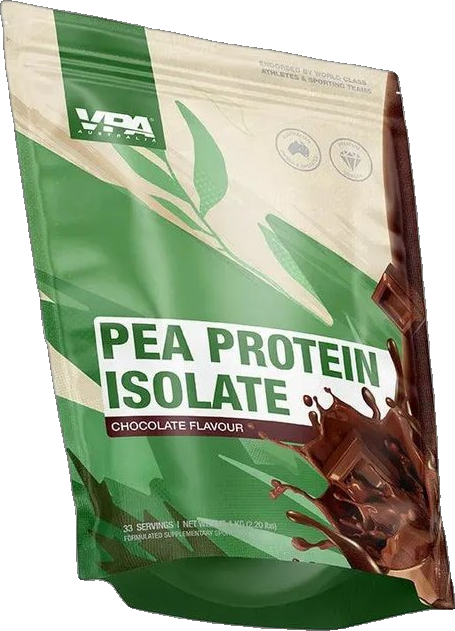
- 1at VPA Australia · packs from $36.00$4.24/100g protein
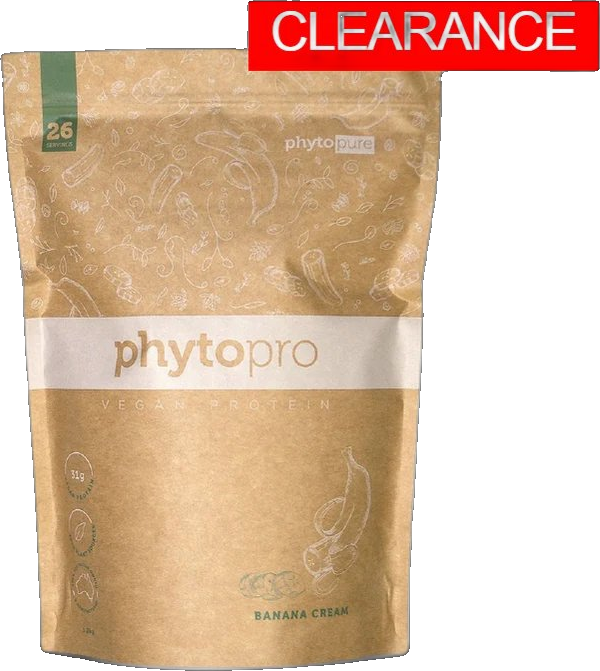
- 2at Supplement Mart · packs from $40.00$4.84/100g protein
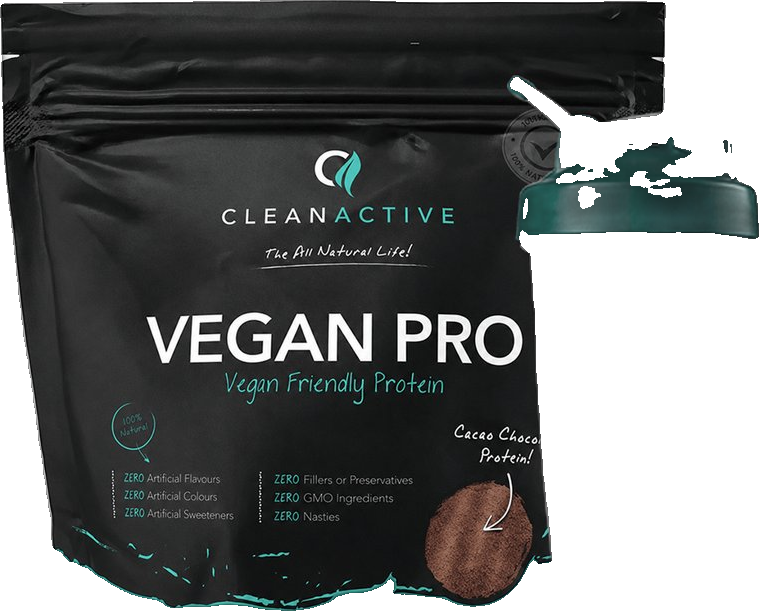
- 3at Mr Supplement · packs from $59.95$5.65/100g protein
1,100 calories per scoop. That's a single 300g serve of a typical mass gainer, delivering 50g protein alongside 200g carbohydrates. A 30g scoop of whey concentrate delivers 23g protein and roughly 125 calories. Same tub, same shelf-talker, different problem solved. Our verdict up front: most people walking into the gainer aisle would be better served by a tub of whey concentrate and a kilo of oats from the supermarket next door.
What a Mass Gainer Actually Is
Mass gainers are high-calorie, high-carbohydrate protein supplements. A standard whey concentrate runs 70–90% protein by weight. A gainer typically sits at 20–40% protein, with the rest split between carbohydrates and a smaller fat fraction. One serve commonly clears 600–1,200 calories.
Carbohydrate sources vary wildly. Better products use oats, sweet potato powder, or organised complex-carb blends. Cheaper products lean on maltodextrin, waxy maize, or dextrose. That second group is, in effect, a very expensive way to eat refined carbohydrates.
Who Mass Gainers Are For
Gainers exist for one genuinely common problem: people who can't eat enough calories from whole food to support their training. That's a physiology and lifestyle issue, not a willpower one. The shortlist of who should consider one:
- Hardgainers with fast metabolisms, who burn calories quickly and struggle to hold a surplus even when eating constantly.
- Ectomorphs in heavy training blocks, where weekly energy expenditure makes whole-food intake impractical.
- Athletes on 4,000+ kcal/day targets, where chewing and digesting that volume is a real bottleneck.
- People recovering from illness or injury who need to regain weight and have a suppressed appetite.
Our verdict: if you don't fit one of those four boxes, a gainer is almost certainly the wrong product. Gain weight easily? Training three or four times a week? Surplus only a few hundred calories? Skip it. A scoop of whey plus a banana with peanut butter covers you for a quarter of the price.
The Real Cost Comparison
Most buying decisions go wrong here. Gainers look affordable because they're sold in 3–6kg bags at headline prices that read similar to a whey tub. The cost per gram of protein, and per calorie, tells a different story.
Take a gainer at $100 for 3kg, 33% protein by weight:
- Cost per 100g of product: $3.33
- Protein per 100g: ~33g
- Cost per gram of protein: ~$0.10
Now a whey concentrate at $90 for 2.5kg, 76% protein by weight:
- Cost per 100g of product: $3.60
- Protein per 100g: ~76g
- Cost per gram of protein: ~$0.047
The whey delivers the same protein for roughly half the cost per gram. Morton et al. (2018)[1] confirm whey concentrate is sufficient when daily protein intake clears ~1.6 g/kg, so paying twice as much for a gainer-shaped version makes no sense. The extra 67g of carbohydrate sitting inside a gainer serve is priced far worse than the equivalent from oats, rice, or fruit.
The calorie maths is worse. A kilo of rolled oats from Coles or Woolworths delivers roughly 3,700 calories for $3–4. The carb calories in a gainer cost many times more per calorie than the same calories from whole food.
The Dirty Bulk Trap
Many gainers, especially the budget tubs, are nutritionally poor beyond their macros. Maltodextrin-heavy blends spike blood glucose sharply, push fat gain disproportionate to muscle gain, and offer almost no fibre, vitamins, or minerals.
The "dirty bulk" school of thought, eating any high-calorie food to maximise the surplus, does produce weight gain. The ratio of fat to muscle gained is poor. More fat gain means a longer, harder cut later. For most people, a modest and clean surplus beats a large dirty one on a six-month view of body composition. Jäger et al. (2017)[2] make the same point from the other direction: protein quality and meal distribution drive net muscle accrual far more than sheer calorie volume.
Our verdict: if you do buy a gainer, read the ingredients. Oat flour, sweet potato powder, or quinoa flour near the top is a good sign. Maltodextrin and dextrose at the top is a cheap, low-quality calorie source labelled as a performance product.
Reading the Label: What to Check
If you're evaluating a gainer on-shelf or online, check four numbers in the Nutrition Information Panel:
- Protein per 100g: Below 25g per 100g, the product is mostly carbs. Below 20g, you're buying expensive carb powder with a protein-supplement label.
- Sugar per serve: Under 10g for a 100g serve is reasonable. Above 20g per serve, the product leans on simple sugars rather than complex carbs.
- Serving size: Gainers often recommend 2 or 3 scoops as a "serving" to inflate the per-serve numbers. Always look at what a single 100g portion delivers, not the marketing serve.
- Ingredient order: Protein source first is good. Maltodextrin first means the tub is mostly refined carbs, whatever the front of the bag claims.
The Better Alternative for Most People
For most people chasing muscle, whey concentrate plus whole-food carbohydrates beats a commercial gainer on both nutrition and cost. We've yet to see a real-world case where the bag version wins on value.
The classic homemade gainer shake:
- 1 scoop whey concentrate (~25g protein, ~125 calories)
- 80g rolled oats (~12g protein, ~300 calories)
- 1 banana (~1g protein, ~90 calories)
- 250ml full-cream milk (~9g protein, ~155 calories)
- 1 tbsp peanut butter (~4g protein, ~95 calories)
Total: ~51g protein, ~765 calories. Comparable to a commercial gainer serve on macros, but with fibre, potassium, healthy fats, and micronutrients you don't get from a maltodextrin blend. Cost: roughly $2.50–3 at current Australian supermarket prices, versus $5–8 for an equivalent commercial gainer serve. Over a 12-week bulk, that's $200–400 saved with better nutrition.
The Verdict
Skip the commercial gainer for most lifters. The cost per gram of protein is roughly double whey concentrate, the carb calories are priced three to five times higher than supermarket oats, and the typical maltodextrin-heavy formula isn't earning the markup.
If you genuinely need a gainer: hardgainer, ectomorph in a heavy block, athlete on 4,000+ kcal/day, or recovering from illness. Read the label. Oat flour or sweet potato powder near the top of the ingredient list is what you're paying for. Maltodextrin first is a no.
Where to actually spend the money: whey concentrate, a bag of rolled oats, milk, bananas, peanut butter. Two minutes in a blender gets you the same macros for half the price and far better micronutrient density. Kreider et al. (2017)[3] is also worth reading if you're chasing lean mass: 3–5g creatine monohydrate daily is one of the cheapest interventions with real effect-size data behind it.
Frequently Asked Questions
Should I buy a mass gainer or just protein powder?
For most lifters, buy whey concentrate plus whole-food carbohydrates like oats and bananas rather than a commercial mass gainer. Gainers only make sense for hardgainers, ectomorphs in heavy training blocks, athletes targeting 4,000+ calories a day, or people regaining weight after illness. Outside those four situations, a scoop of whey and real food covers the same macros for less.
What's the difference between a mass gainer and protein powder?
A standard whey concentrate runs 70–90% protein by weight. A mass gainer typically sits at only 20–40% protein, with the rest split between carbohydrates and some fat, commonly clearing 600–1,200 calories per serve. A 300g gainer serve might deliver 50g protein and 1,100 calories, versus a 30g whey serve at 23g protein and roughly 125 calories.
Who actually needs a mass gainer?
Four groups: hardgainers with fast metabolisms who struggle to hold a calorie surplus, ectomorphs in heavy training blocks where whole-food intake becomes impractical, athletes targeting 4,000+ calories a day where chewing that volume is a bottleneck, and people recovering from illness or injury with a suppressed appetite. Outside those groups, a gainer is almost certainly the wrong product.
Is a mass gainer or plain protein powder cheaper per gram of protein?
Plain protein powder wins clearly. A typical gainer at $100 for 3kg (33% protein) works out to roughly $0.10 per gram of protein, while a whey concentrate at $90 for 2.5kg (76% protein) costs about $0.047 per gram — roughly half. The extra carbohydrate in a gainer is also priced far above the equivalent from oats or rice.
What should I check on a mass gainer's label before buying?
Four numbers: protein per 100g (below 25g means it's mostly carbs, below 20g you're buying carb powder with a protein label), sugar per serve (under 10g is reasonable, over 20g leans on simple sugars), the actual 100g serving size rather than an inflated 2–3 scoop serve, and whether a protein source or maltodextrin appears first in the ingredients.
Can I make a cheaper homemade version of a mass gainer?
Yes. Blend one scoop of whey concentrate, 80g rolled oats, a banana, 250ml full-cream milk and a tablespoon of peanut butter for roughly 51g protein and 765 calories — comparable to a commercial gainer serve. It costs about $2.50–3 versus $5–8 for a commercial gainer, while adding fibre, potassium and healthy fats that maltodextrin blends lack.
References
- Morton et al., 2018. A systematic review, meta-analysis and meta-regression of the effect of protein supplementation on resistance training-induced gains in muscle mass and strength in healthy adults
- Jäger et al., 2017. International Society of Sports Nutrition Position Stand: protein and exercise
- Kreider et al., 2017. International Society of Sports Nutrition position stand: safety and efficacy of creatine supplementation