 SUPPSAVER
WPC vs WPI: Is Whey Isolate Worth the Extra Cost?
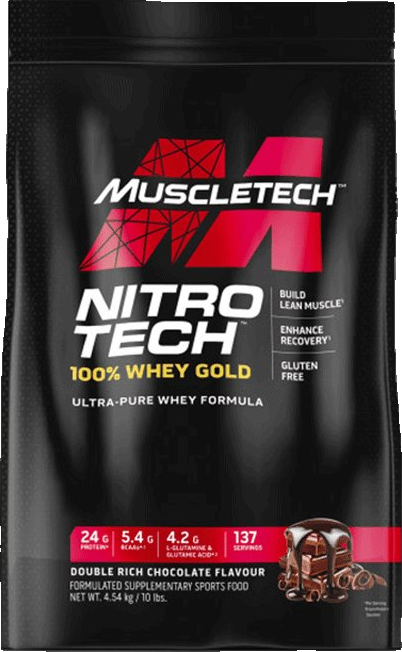
- 1at ASN · packs from $99.00$6.00/100g protein
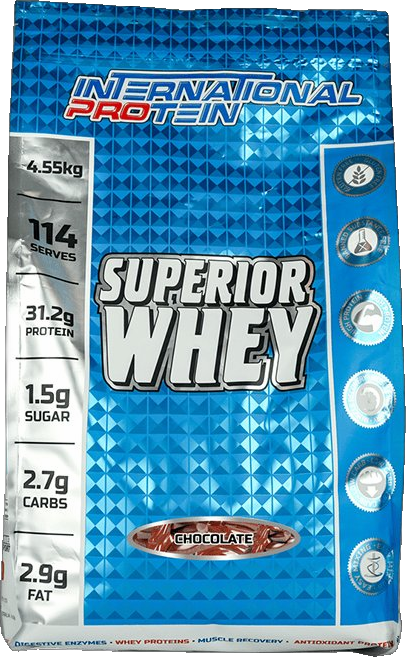
- 2at Supplement Mania · packs from $134.99$6.41/100g protein
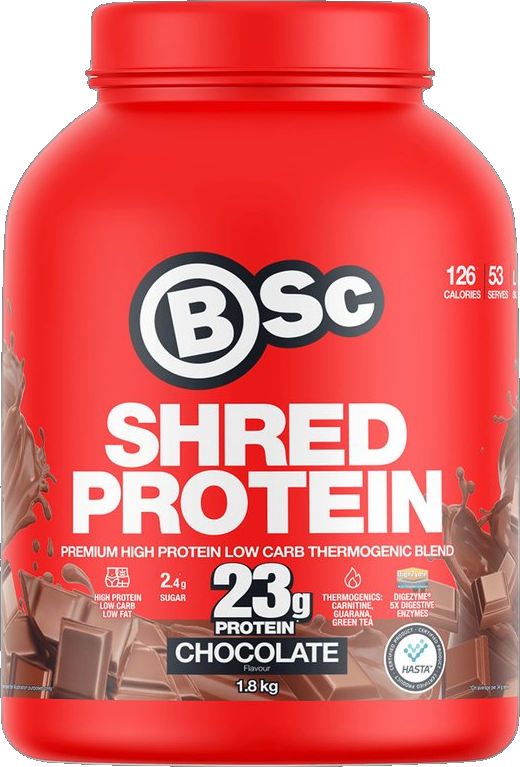
- 3at Mr Supplement · packs from $44.95$6.60/100g protein
Whey protein isolate (WPI) costs more than whey protein concentrate (WPC), but by how much depends on how you measure it. Per 100g of powder the gap looks big. Per 100g of actual protein, which is what you are really buying, it is smaller: as of October 2026, SuppSaver's tracking of Australian retailers shows isolate at roughly 15% more in the pooled data and about 39% more when the same brand's two products are compared head to head.
Compare Per Gram of Protein, Not Per Gram of Powder
A scoop of powder is not a scoop of protein. Concentrate is filtered less, so it keeps more fat, lactose and carbohydrate, and a given weight of powder holds less protein. Isolate is filtered further, so the same weight of powder holds more.
Across the catalogue, concentrate-type whey has a median of about 73g of protein per 100g, while isolate has a median of about 83g. That 10-point difference matters when you compare prices. Isolate costs about 36% more per 100g of powder (median $11.23 vs $8.25), but about 15% more per 100g of protein, because you get more protein in every 100g you pay for. For a deeper look at how whey stacks up against other protein types, see our whey vs plant vs casein guide.
The Numbers: Protein %, Powder Price and Protein Price
These are medians (with the middle half of listings in brackets) for in-stock Australian whey listings, as of October 2026. Most listings are not labelled concentrate or isolate, so for this guide concentrate-type means WPC-labelled products plus unlabelled whey at 78% protein or below.
| Type | Listings | Protein per 100g | $/100g powder | $/100g protein |
|---|---|---|---|---|
| Concentrate-type | 184 | 72.8g (69.7-75.6) | $8.25 ($6.91-9.33) | $11.78 ($9.83-13.34) |
| Isolate (WPI) | 113 | 83.3g (81.0-84.9) | $11.23 ($9.43-12.78) | $13.53 ($11.53-15.42) |
| Labelled blends | 28 | 73.1g (72.7-78.0) | $8.85 ($7.44-9.91) | $11.40 ($9.94-13.47) |
| Clear whey | 17 | ~75.8g | $15.70 ($13.92-16.53) | $20.83 ($17.75-21.80) |
Two things stand out. Blends price almost exactly like concentrate, which makes sense given their protein content. And the ranges overlap: a cheap isolate can be better value per gram of protein than an expensive concentrate. Clear whey, a different product with a lighter, juice-like texture, sits well above both and is a side note rather than a like-for-like alternative.
How Big Is the Isolate Premium?
There are two ways to measure the premium, and they give different answers.
- Pooled: about +15% per 100g of protein (about $1.75 more). This compares the median of all isolate listings against the median of all concentrate-type listings.
- Brand-matched: about +39% per 100g of protein (median gap about $3.72, ranging from -34% to +59%). This compares each brand's concentrate with its own isolate, across 13 brands that sell both.
The pooled number is lower because of pack sizes. Isolate is more often sold in big bulk packs, and bulk packs are cheaper per gram, which pulls the pooled isolate median down. Four of the 13 brands showed a near-zero or negative premium, mostly because their isolate was a bulk size while their concentrate was a smaller tub. Put another way, the pooled figure understates what you would pay for the same-size pack. For the wider market context on why whey prices move, see our protein price trends guide.
A few brand pairs from our October 2026 data show the typical shape ($ per 100g of protein at the median, concentrate to isolate): Optimum Nutrition $9.72 to $13.59, Musashi $10.31 to $15.80, International Protein $7.61 to $12.08, and Dymatize $10.65 to $15.08.
A Worked Example: 30g of Protein
Say you want 30g of protein per serve. Using the median prices above:
- Concentrate: $11.78 per 100g of protein, so 30g costs 0.30 x $11.78 = about $3.53. At 72.8g of protein per 100g, that is roughly 41g of powder.
- Isolate: $13.53 per 100g of protein, so 30g costs 0.30 x $13.53 = about $4.06. At 83.3g of protein per 100g, that is roughly 36g of powder.
The difference is about 53 cents per serve (the same 15% as the pooled figure). At one serve a day that is roughly $190 over a year. Using the brand-matched 39% gap instead, the same 30g serve would cost about $1.12 more at the median, closer to $410 a year. Which number applies to you depends on whether you would compare similarly sized packs.
Who Isolate May Suit
The reason to pay more is composition, not protein quantity. Because isolate is filtered further, it generally has less fat, less carbohydrate and less lactose per serve than concentrate. For some people that is worth a premium:
- People who prefer a leaner macro profile. If you are tracking calories, fats or carbs closely, isolate puts a little less of each in the same protein serve.
- People who are mindful of lactose. Isolate is not lactose-free, and we cannot tell you what will suit you. Check the label and ask a pharmacist, dietitian or doctor if lactose is a concern.
- People who want less powder per serve. A 30g protein serve is around 36g of isolate versus around 41g of concentrate, which can mean a slightly smaller scoop.
When Concentrate Is the Better Value
Whey concentrate is a whole-protein source, widely used and, as our data shows, cheaper per gram of protein at the median. If you have no particular reason to want a lower lactose, fat or carbohydrate profile, the extra spend on isolate buys you something you may not use. The best strategy for most buyers is to compare the actual $ per 100g of protein on the pack you are considering, rather than assuming either type is the better deal. Our best value protein guide shows how to do that across all protein types.
Also remember that the cheapest isolate may beat the dearest concentrate, since the ranges overlap. Sorting the ledger by $/100g of protein, rather than by type, lets the data make that call.
Caveats
- Concentrate is inferred. Most listings do not state concentrate or isolate. We treat unlabelled whey at 78% protein or below as concentrate-type, so some products may be misclassified.
- Pack size confounds the pooled numbers. That is why we show both the pooled and the brand-matched figures.
- Prices move. The figures above are October 2026 medians. Use the live box at the top of this page or the whey protein ledger for current prices.
Frequently Asked Questions
Is whey isolate worth the extra cost?
It depends on what you are paying for. As of October 2026, isolate typically costs roughly 15-40% more per 100g of protein than concentrate in SuppSaver's tracking of Australian retailers, depending on how the comparison is made. If you just want protein at the lowest price, concentrate is usually the better value. If you want lower lactose, fat and carbohydrate per serve, the premium buys a measurably different composition.
How much more does whey isolate cost than concentrate?
Across all listings pooled, the median isolate costs about 15% more per 100g of protein ($13.53 vs $11.78). Comparing the same brand's concentrate and isolate, the median gap is about 39%. The pooled figure is smaller because isolate is more often sold in large bulk packs, which are cheaper per gram.
Why compare cost per 100g of protein instead of per 100g of powder?
Isolate is a more concentrated protein source, around 83g of protein per 100g of powder versus around 73g for concentrate. A per-powder comparison ignores that, so it overstates the gap: 36% per 100g of powder, versus 15% per 100g of protein in the pooled data.
Is whey isolate suitable if I am lactose intolerant?
Isolate is filtered further than concentrate, so it generally contains less lactose per serve, but it is not lactose-free. If lactose is a concern for you, check the label and ask a pharmacist, dietitian or doctor. We do not make health claims about any product.
Where do blends and clear whey fit?
Labelled blends sit close to concentrate on price per 100g of protein (median about $11.40). Clear whey is a different product and was the most expensive type tracked, with a median around $20.83 per 100g of protein as of October 2026.